The Pain, Struggle & Reality (PAS Formula)

Imagine standing in front of your bathroom mirror, looking at a red, painful breakout on your cheeks. Your skin feels tight, dry, and irritated, but you are terrified to put any cream on your face.

Every time you try a new moisturizer, you end up with new pimples the next morning. You are trapped in a frustrating cycle of dryness and acne that feels impossible to break.

Your skin needs moisture to heal, but traditional creams make your breakouts so much worse. It feels like your skin is fighting itself, and you do not know how to help it.

You just want a simple product that makes your face feel calm and smooth. Instead, you are left dealing with painful bumps that take weeks to heal.

Why Finding a Real Solution Feels Impossible

Most people buy heavy moisturizers because their skin feels dry, but these heavy creams clog sensitive pores.

Social media advertisements often promote heavy luxury creams that are filled with harsh artificial fragrances.

We get confused by complex chemical names on the labels and do not know which ones trigger acne.

Many brands label their products as "all-natural," but natural oils like coconut oil can still cause massive breakouts.

We often use harsh acne spot treatments that dry out the skin, and then we skip moisturizer completely out of fear.

How Skin Struggles Damage Your Peace of Mind

Waking up with new bumps every day makes you feel self-conscious during work meetings and family gatherings.

You might find yourself hiding behind heavy makeup, which only irritates your sensitive skin even more.

The constant worry about your face causes daily stress, and this emotional stress actually triggers more acne.

It is exhausting to spend your hard-earned money on expensive products that end up sitting unused in your cabinet.

You start to feel like your skin is broken and that you will never find a simple product that works for you.

We need to understand that sensitive, acne-prone skin is not a personal failure. It is simply a sign that your skin's protective outer barrier is weak.

When this barrier is damaged, moisture leaks out, and irritants get in. This is why your skin feels dry and breaks out at the same time.

The skincare industry often tells us that we need complicated ten-step routines to get clear skin. They show us flawless, edited pictures that make us feel insecure about our natural texture.

In reality, complicated routines usually make sensitive skin much worse. Your face does not need ten different serums and heavy creams.

It needs a few simple, well-chosen ingredients that support your skin's natural healing process. By learning how to read labels, you can stop panic-buying products that hurt your face.

You can reclaim your peace of mind and build a routine that actually feels good. Let us look at how you can make smart, scientific choices for your skin today.

๏ปฟStep-by-Step Educational Guide

Finding the right product does not have to be a guessing game anymore. We have put together three practical steps to help you find a moisturizer that works. These steps are based on simple skin science and are easy to apply starting today.

Step 1: Check the Texture (Gel vs. Heavy Cream)

The thickness of your moisturizer plays a huge role in how your skin reacts. Heavy creams are often packed with thick lipids and oils that sit on top of your face.

While these heavy creams are great for very dry skin, they are a disaster for acne-prone skin. They trap oil, sweat, and dead cells inside your pores, which leads to new pimples.

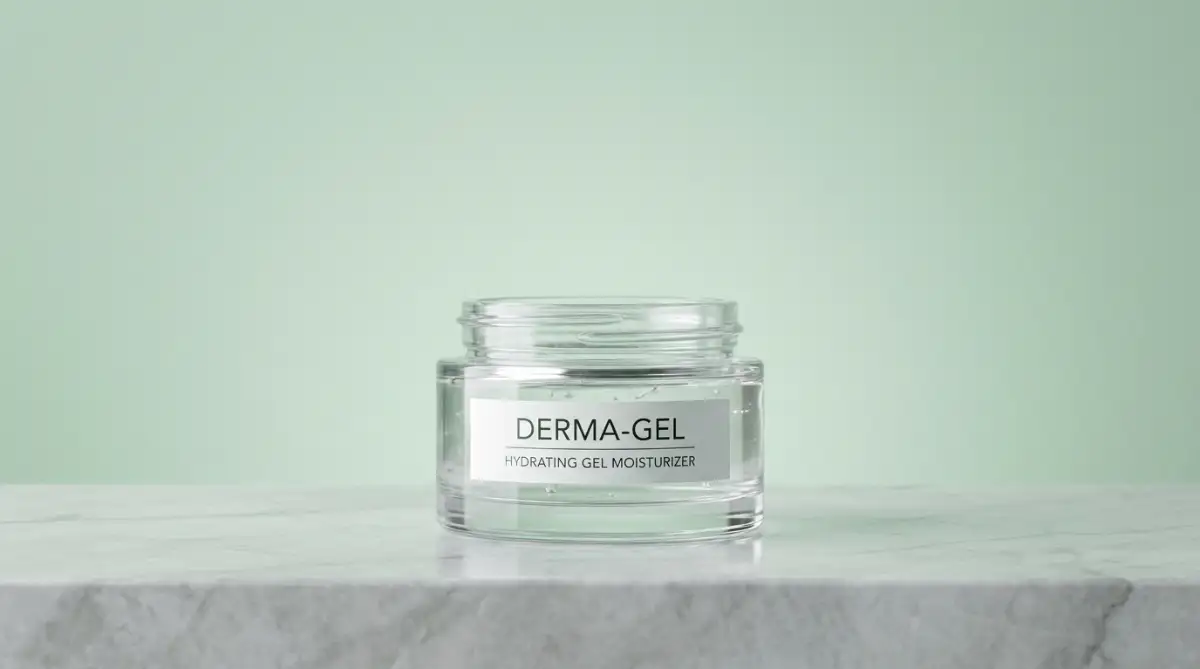
For sensitive, acne-prone skin, you should always choose lightweight gels or gel-creams. These water-based formulas sink into your skin instantly without leaving a greasy layer.

Think of a gel moisturizer like a quick splash of fresh water on a hot day. It gives your skin the hydration it needs without suffocating your pores.

You get a smooth, soft finish without the heavy, sticky feeling that leads to new breakouts. Look for words like "water-gel" or "hydrating fluid" on the packaging.

Step 2: Read the Label for Non-Comedogenic Claims

This is a very important step when shopping for a new face cream. The word non-comedogenic simply means that the product has been tested and is unlikely to clog pores.

However, you should not rely on this label alone because skincare marketing can sometimes be tricky. You should also check the actual ingredient list on the back of the bottle.

Avoid ingredients like coconut oil, cocoa butter, isopropyl palmitate, and lanolin. These thick ingredients are highly comedogenic and can trigger major breakouts on sensitive skin.

Instead, look for ingredients that are safe and lightweight, such as Squalane is a light, natural oil that mimics your skin's own oils without clogging your pores.

By avoiding known pore-cloggers, you protect your skin from unnecessary breakouts. This step saves you from buying products that look good but perform poorly.

Step 3: Look for Barrier-Repairing Ingredients

Sensitive, acne-prone skin is often a sign of a damaged skin barrier. When your skin barrier is weak, it cannot protect itself from bacteria and environmental dirt.

To heal this barrier, you need to look for specific soothing and repairing ingredients. The most important ingredients to look for are


Think of ceramides like the strong glue that holds your skin cells together. When you apply ceramides, you help rebuild the skin's protective wall, keeping moisture locked inside.

Niacinamide is another fantastic ingredient because it calms red, irritated skin and regulates oil production. It helps reduce the redness from old acne scars while keeping new breakouts away.

Hyaluronic acid is a super-hydrator that pulls water into your skin without adding any heavy oils. Together, these three ingredients soothe your sensitive skin and help it heal from the inside out.

How to Apply Your Gel Moisturizer for Best Results

Applying your moisturizer the right way can double its benefits. Always wash your hands before touching your face to prevent spreading bacteria.

APPLY YOUR MOISTURIZER WHILE YOUR SKIN IS STILL

from washing. Damp skin absorbs hydration much better than dry skin, locking in the moisture.

Gently pat the gel onto your skin instead of rubbing it in harshly. Rubbing can irritate sensitive skin and make redness worse, while patting keeps the skin calm.

This simple application tip makes a massive difference in how soft and calm your skin feels throughout the day. Try this simple technique tonight to see a difference tomorrow.

A Simple Real-Life Example

Let us look at a real-world scenario to make this easy to understand. Imagine trying to water a dry, hard clay pot.

If you dump a bucket of thick mud on it, the water cannot get inside, and the surface just stays dirty. But if you spray a light mist of clean water, the dry clay absorbs it beautifully.

Your sensitive, acne-prone skin is just like that dry clay pot. It needs a light, hydrating water-gel, not a thick, heavy cream that sits on the surface.

Step 4: Master the Art of Skincare Layering (The Density Rule)

Many people apply their skincare products in a random order. This is a big mistake because order matters.

Always apply your lightest, most watery products first and your heaviest products last. If you put a heavy cream on first, your light serums cannot pass through it.

Think of this like painting a wooden wall. You must apply the thin primer coat before you put on the thick, colored paint.

If you use a watery toner or hyaluronic acid serum, apply it to a damp face. Immediately follow with your lightweight gel moisturizer to lock that water inside your skin.

This simple layering trick ensures that your skin absorbs every drop of hydration. It also prevents the products from pilling or rolling off your skin in sticky balls.

Step 5: Adjust Your Moisturizer to Match the Weather

Your skin needs change depending on the weather outside. A moisturizer that works perfectly in the hot summer might fail you during the cold winter.

During the hot, humid summer months, your skin naturally produces more sweat and sebum. You should switch to an oil-free, water-based gel that feels weightless.

When the winter cold arrives, the dry air strips moisture from your face. This is when you should switch to a slightly richer gel-cream that contains extra ceramides.

Think of this seasonal adjustment like changing your wardrobe. You do not wear a heavy winter coat in the middle of July, and you should not

Keep two different types of moisturizers in your cabinet. Watch how your face reacts to the weather and switch them as needed to keep your skin balanced.

Step 6: Use Botanical Secrets Like Centella Asiatica (Cica) and Green Tea

If your skin is highly sensitive, you need ingredients that physically calm down your cells. Look for moisturizers that contain Centella Asiatica, also known as Cica or Tiger Grass.

Legend says that wounded tigers in the wild rub their bodies against this plant to heal their skin. Cica is incredibly rich in antioxidants and helps reduce redness and swelling in hours.

Another excellent botanical ingredient to look for is green tea extract. It naturally balances oil production and calms the burning feeling caused by active acne breakouts.

Make sure these botanical extracts are near the top of the ingredient list. Avoid botanical extracts that contain strong essential oils like peppermint or lavender, as these can cause allergic reactions.

How to Maintain Your Healthy Skin for the Long Run

To keep your skin healthy over time, you must understand the skin cell turnover cycle. Your skin naturally sheds dead cells and creates new ones every twenty-eight days.

This means you must use a safe routine for at least a full month to see the true benefits. Do not get discouraged if you do not see perfect skin in three days.

Consistency is much more powerful than using strong, aggressive treatments. When your skin starts looking clear, do not immediately add five new steps to your routine.

Stick to your simple, working moisturizer and protect it with a safe sunscreen during the day. Keeping your routine clean and stable is the absolute secret to long-term skin health.

Common Mistakes to Avoid (The Pitfalls)

When we struggle with sensitive, acne-prone skin, we often make quick decisions out of frustration. Let us look at five common mistakes that can ruin your progress and damage your skin barrier.

Mistake 1: Blindly Trusting Viral Social Media Trends

It is easy to watch a video of a famous influencer and buy whatever product they recommend. However, many of these creators have normal skin and are paid to promote those creams.

A heavy, glowing cream that works for an influencer might cause a massive breakout on your face. Always research the ingredient list yourself instead of trusting a viral video.

Your skin is unique, and it deserves a personalized approach rather than a popular trend.

Mistake 2: Changing Your Moisturizer Every Few Days

Many people try a new face cream and throw it away if they do not see clear skin in forty-eight hours. This constant switching shocks your sensitive skin and weakens your outer barrier.

Every time you introduce a new formula, your skin has to adapt to new chemicals. This constant stress triggers redness, peeling, and deep breakouts.

Give your new moisturizer at least three to four weeks before you decide if it works or not.

Mistake 3: Over-Applying Too Much Product at One Time

You might think that applying a thick, mask-like layer of moisturizer will heal your dry patches faster. This is a common error that actually suffocates your skin [2].

Your face can only absorb a certain amount of product at one time. The extra cream sits on top of your face, catches airborne dirt, and clogs your pores.

Use only a pea-sized amount of moisturizer for your entire face. If you still feel dry, apply a second thin layer only on your dry cheeks.

Mistake 4: Skipping Moisturizer to "Dry Out" Your Acne

Some people believe that drying out their skin will starve the acne bacteria. They skip moisturizer entirely and use harsh acne washes three times a day.

This makes your skin produce an excessive amount of oil to protect itself from drying out. This extra oil gets trapped under dead skin cells, causing even more painful acne.

Hydration is necessary to heal acne, so never skip your lightweight moisturizer.

Mistake 5: Mixing Too Many Strong Active Acids

Using a salicylic acid wash, a glycolic acid toner, and a retinol cream at the same time is highly dangerous. This chemical overload burns your acid mantle and leaves your skin raw.

When your skin is raw, even water can feel like it is burning your face. If you use active treatments, keep your moisturizer simple, gentle, and free of active acids.

Let your moisturizer do the simple job of hydrating while your serums handle the acne.

The Serious Consequences of These Pitfalls

If you continue to make these mistakes, you can cause long-term damage to your skin tissue. You might end up with dark scars, deep pits, and chronic skin sensitivity that takes years to fix.

A damaged skin barrier also allows harmful bacteria to enter your body easily. Protecting your skin barrier is not just about looks; it is about protecting your health.

Final Conclusion & Actionable Takeaways

Your Path to Happy, Healthy Skin

Taking care of sensitive, acne-prone skin does not have to be a stressful chore. By choosing a lightweight gel moisturizer and reading ingredient lists, you are taking real control of your skin health.

Remember to be gentle with yourself and your skin during this journey. Real healing takes time, and consistency is your best friend.

Stop buying products out of panic or because of pretty packaging. Start looking at skincare as a simple, scientific way to support your body.

Give your skin a break from harsh chemicals and focus on building a strong, healthy skin barrier. You can start this journey tonight by simplifying your routine and performing a safe patch test.

Your skin has an amazing natural ability to heal itself when you give it the right environment. Trust the process, stay patient, and enjoy the Journey to a Calm, glowing face. Treat your skin that way either.


GLYCERIN OR SQUALANE SLIGHTLY DAMP.


CERAMIDES, NIACINAMIDE, AND HYALURONIC ACID.