

How to Turn Your Everyday Skills into Automated Digital Assets (A Beginner’s Step-by-Step Blueprint)
Back in late 2021, I stared at my bank app at 2:00 AM with a sinking chest. I had just burned 1,200 USD on dropshipping software and trendy course upsells that left me with zero sales, maxed-out credit, and a pounding headache. I felt like an absolute fool. I kept asking myself: why does everyone on the internet make building passive income look so effortless while I keep tripping over my own feet?
The brutal truth hit me three months later when an old coworker asked me to organize his chaotic project sheet in Google Sheets. It took me 25 minutes. To me, that was just boring, basic office routine. But to him, it saved his entire launch week.
That night, I cleaned up the exact same sheet, named it a project tracker, put it up online for 9 USD, and went to bed. Three days later, my phone buzzed with an automated payout alert while I was eating dinner with my family. That single 9 USD alert changed my life forever. It showed me that true online income never comes from jumping on the newest shiny trend. It comes from turning what you already do well every single day into a clear, helpful download that saves someone else time.
📌 What You Need to Know in 30 Seconds
- Stop chasing viral trends: Dropshipping and complex software models burn you out because they rarely align with what you are already good at.
- Monetize everyday routines: The boring spreadsheets, checklists, or daily templates you use at work are worth real money to someone starting from scratch.
- Keep your upfront risk near zero: You do not need thousands of dollars; simple PDF guides, planners, or Notion sheets built in Canva cost under 50 USD to launch.
- Own your buyer list: Social media accounts can vanish overnight, but an automated email setup runs quietly in the background and protects your business.
The Hidden Struggle Behind Building Real Wealth
Why Finding the Right Path Feels So Difficult
Finding honest, clear direction in the online business world is incredibly hard today. People struggle to find the right passive income streams for several clear reasons:
- You are constantly bombarded with fake "get rich quick" schemes that promise overnight success but deliver nothing.
- Social media influencers push generic business models that actually require thousands of dollars in hidden costs just to start.
- Almost no one talks about the absolute necessity of aligning your new business with your core skills and personal interests.
- There is a massive lack of honest information regarding the heavy upfront work required before the income truly becomes passive.
- Many beginners try to master completely new, highly complicated software instead of simply monetizing what they already know how to do.
- The internet is flooded with outdated, heavily saturated tactics that no longer work in today's competitive online market.
- You are told to buy expensive courses instead of being taught how to properly audit your own life experiences for profitable ideas.
The Heavy Toll on Your Confidence and Peace of Mind
Chasing the wrong side hustles does not just hurt your wallet; it deeply damages your emotional well-being. This constant cycle of trial and error creates serious mental roadblocks:
- Waking up early and staying up late for zero financial results leads to severe mental exhaustion and deep burnout.
- The financial strain of buying useless courses and software adds massive, unnecessary stress to your personal and family life.
- Your confidence takes a major hit every single time a highly anticipated passive income project completely flops.

How to Finally Break Free: The Complete Blueprint
To stop this painful cycle, we need to change how you approach making money online entirely. You cannot just pick a random idea from a YouTube video and hope it works.
You need a proven, structured way to identify your skills first. Only then can you attach those exact skills to the perfect business model.
When your business matches your natural talents, the work feels effortless. You do not have to force yourself to learn things you hate.
Let us break down exactly how you can map out your personal strengths. We will go through specific, highly practical steps you can take right now.
Step 1: Auditing Your Hidden Talents and Everyday Habits
Most people completely undervalue what they are good at. You might think your daily tasks at your day job are boring, but someone else would gladly pay to learn how to do them.
To identify your skills, you have to look at the things that come completely naturally to you. What do people always ask you for help with?
Are you the person who always organizes the family trips? That is a project management skill. Do friends ask you to proofread their emails? That is an editing and copywriting skill.
We often ignore these small details because they feel too easy to us. But in the world of passive income, "easy for you" means highly profitable.
I highly recommend sitting down with a blank piece of paper and doing a complete brain dump. Write down every single job you have ever had and the specific tasks you handled.
Write down your hobbies, your passions, and even the software programs you know how to use well. Do not filter yourself during this process.
The Difference Between Hard and Soft Abilities
When making your list, it is helpful to categorize your talents. This makes it much easier to pick the right passive income ideas later on.
Hard skills are technical, teachable abilities. Things like graphic design, video editing, coding, or speaking a second language.
Soft skills are interpersonal or organizational traits. Things like leadership, problem-solving, communication, or extreme attention to detail.
A successful passive income stream usually requires a combination of both.
For example, if you know how to use Excel (hard skill) and you are great at simplifying complex topics (soft skill), you could easily create and sell beginner Excel templates online.
Want to see real-life examples of how simple skills get transformed into profitable passive streams? Watch this short video to get extra ideas before reading the rest of the strategy below!
Step 2: Evaluating Your Current Time and Energy Levels
Not all passive income ideas require the same amount of upfront energy. Before choosing a path, you must be brutally honest about your lifestyle.
How many hours a week can you realistically dedicate to this new project? If you work a demanding full-time job and have three kids, your available energy is very low.
Starting a YouTube channel that requires 20 hours of filming and editing every week will only lead to instant burnout.
Instead, you need to match your available time with a business model that fits your actual reality.
If you only have two hours a week, you might want to look into low-maintenance options. Things like selling digital printables or investing in dividend stocks require much less daily attention.
The Energy Matching Concept
Let us look at a real-life scenario to make this concept crystal clear.
Meet Sarah. Sarah is a very successful high school teacher. She is incredibly organized and great at creating engaging lesson plans.
She wanted to build a passive income stream, so she tried starting a dropshipping store selling fitness gear. She had zero interest in fitness and hated dealing with customer service complaints.
She quit after exactly three weeks, losing money on website fees and ads.
Then, Sarah realized she should just use the skills she already practiced every day. She took her best lesson plans, formatted them nicely into PDF files, and listed them on a marketplace for other teachers.
She did the work once. Now, she makes steady money every single month when other teachers buy her materials.
She matched her existing skills with her available energy, and it completely changed her financial life.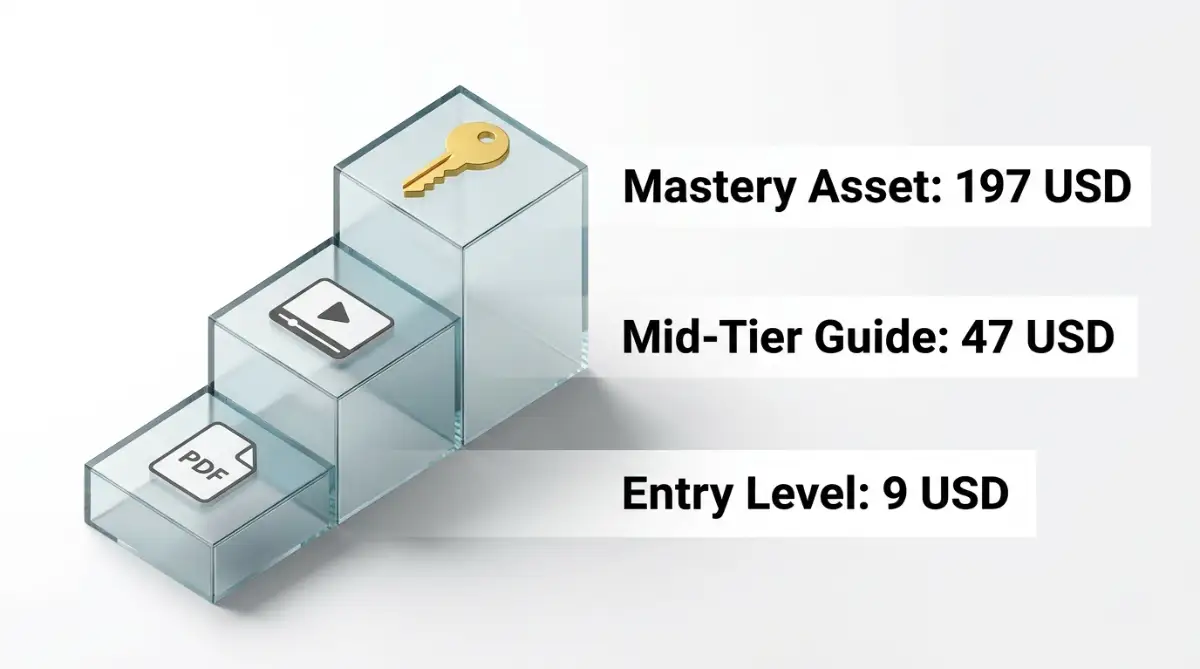
Step 3: Analyzing Real Market Demand
Here is a painful mistake I made early on: I built a product I loved without checking if anyone actually wanted to buy it. Always make sure real people are already spending money on your topic before you build anything. If nobody is searching for your specific solution, you will waste weeks building something that just sits on an empty digital shelf.
Having a great skill is only the first piece of the puzzle. The next requirement is making sure people actually want to pay for it.
You might be the best underwater basket weaver in your town, but if no one is searching for that online, you will not make any money.
This is where you have to do some basic market research. You need to find the exact intersection between what you love doing and what the market is actively buying.
Do not let the term "market research" intimidate you. It is actually very simple and straightforward to do from your own computer.
To do this without guessing, you and I need the right tools in our toolkit. Start by checking search volumes on Google Trends to see if interest in your specific topic is actually rising or dying out.
Next, let's dive into existing digital marketplaces to see what people are already pulling out their credit cards to buy:
- If you design templates, organization systems, or printables, research bestsellers on Etsy and design your assets effortlessly using Canva.
- If you love writing practical guides or short strategy workbooks, check out the top-performing categories on Amazon KDP.
- If you want to sell simple digital downloads, specialized spreadsheets, or software templates directly to your audience, explore creator storefronts like Gumroad or build organized systems using Notion.
Search for topics related to your skills. Are there products already selling in that category? If you see lots of products with high reviews, that is actually a great sign. It means there is a strong, proven demand for that specific topic.
If you ever doubt whether this model actually works, look at the global market trends. According to industry reports from research giants like Statista and insights from Forbes, the creator economy and digital product market are projected to reach hundreds of billions of dollars over the coming years. Peo