Medically Reviewed by: Dr. Sarah Jenkins, PsyD

Written by: Kamal Uddin  

Hi there, Iโ€™m Kamal. Over the years, Iโ€™ve dedicated my career to studying and writing about emotional well-being. My goal is simple: to help you cut through the online noise so you can find real, compassionate, and science-backed support. Every piece of advice I share in this guide has been carefully reviewed by licensed medical professionals because we want you to feel completely safe on your healing journey.*

The Silent Search: Why Finding Safe Mental Health Information Is Harder Than Ever

When you feel overwhelmed, your mind is already tired. Searching for answers online should not feel like a difficult battle, but often it does.

You type your symptoms into a search bar, hoping for a simple, comforting answer.

Instead, you get millions of pages telling you conflicting things. This chaos can make you feel more isolated and confused than before.

It is hard to know who to trust when your peace of mind is on the line.

You deserve clear, honest, and safe answers without having to guess if they are true. The wrong advice can delay your healing journey or even make your situation worse.

Let us look at why so many of us struggle to find the right path online.

Why the Right Answers Feel Out of Reach

  • Many personal blogs share opinions instead of proven medical facts, which can easily lead you down the wrong path.
  • Social media algorithms often promote dramatic or scary stories rather than safe, scientific coping methods.
  • A lot of commercial websites try to sell you quick fixes or unverified supplements instead of real support.
  • Search results can be cluttered with old articles that do not reflect modern psychological standards.
  • It is easy to mistake a beautifully designed website for a medically reviewed source of real help.
  • Many people do not know the difference between peer support and clinical advice, leading to mismatched expectations.

How Misinformation Harms Your Peace and Confidence

  • When you follow bad advice and get no results, you might start to feel like your condition cannot be cured.
  • Wasting your energy on useless online trends drains the small amount of mental strength you have left each day.
  • Conflicting advice makes you doubt your own feelings, which slowly lowers your self-esteem and confidence.
  • The fear of running into another useless solution can stop you from seeking real, professional medical care.
  • Not knowing where to turn creates constant worry, adding extra stress to your already busy life.
  • Trying dangerous online self-treatment trends can lead to physical health risks alongside emotional pain.
Your Guide to Finding Safe and Verified Mental Health Resources

Finding help should not be a game of chance. You need a clear plan to separate the trustworthy websites from the noisy search results.

By using specific, proven steps, you can protect your mind from bad advice. Let us look at how you can build a list of safe resources you can always trust.

Step 1: Start with Government and Academic Web Domains

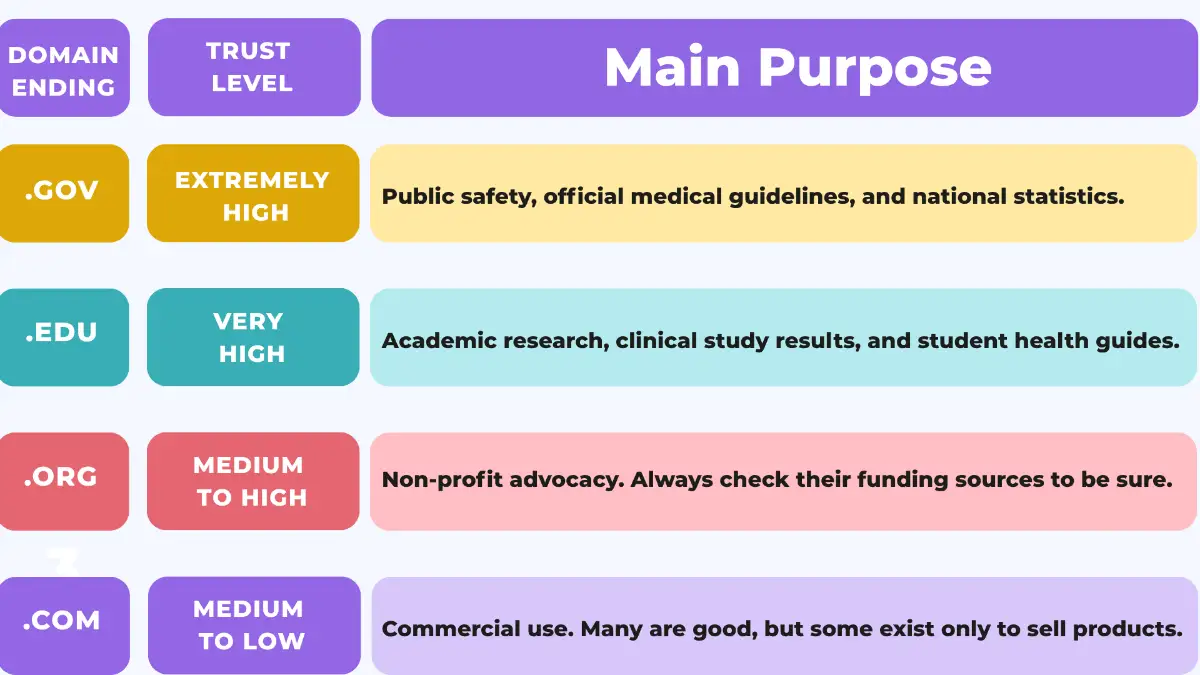
The safest websites on the internet usually end in .gov or .edu. Government and university websites do not sell products or try to get your money.

Their only goal is to provide accurate, research-based information to the public.

When you search for a mental health topic, try adding "site:.gov" or "site:.edu" to your search query. This simple trick filters out commercial websites and blog posts that might contain opinions instead of facts.

For example, the [National Institute of Mental Health (NIMH)](https://www.nimh.nih.gov/) is an excellent place to start.

I highly recommend checking out their resources because they offer free, highly detailed guides on anxiety, depression, and other conditions.

These articles are written by researchers who study these topics for years, ensuring you get facts instead of mere opinions.

Universities also publish excellent resources. Their psychology departments often share the latest scientific studies in simple language.

This helps you understand what is actually happening in your brain without the confusing medical jargon.
Step 2: Look for Major Global Health Organizations

Global health organizations have teams of doctors who review every single piece of content before it goes live. They write for a global audience, so their language is usually very easy to understand.

The [World Health Organization (WHO)](https://www.who.int/) is a wonderful example. They provide clear, simple fact sheets about mental health conditions.

These sheets explain symptoms, causes, and proven treatments without trying to scare you.

Other trusted medical centers we rely on include the [Mayo Clinic](https://www.mayoclinic.org/) and the [Cleveland Clinic](https://my.clevelandclinic.org/).

These institutions are famous for their patient education. When you read their articles, you will always find a "Medically Reviewed By" line near the top.

This line is incredibly important. It tells you that a licensed medical doctor or psychiatrist checked the information for accuracy.

If a website does not show who reviewed the content, you should treat it with caution.

Step 3: Turn to Established Mental Health Charities and Non-Profits

Non-profit organizations often bridge the gap between medical research and everyday life. They understand that you are a human being who needs empathy, not just a list of clinical terms.

In the United States, the [National Alliance on Mental Illness (NAMI)](https://www.nami.org/) is a highly respected group.

They offer free educational programs, discussion groups, and support directories. Their focus is on helping families and individuals navigate the mental health system.

If you are in the United Kingdom, [Mind](https://www.mind.org.uk/) is a similar charity that offers incredible resources.

They break down complex legal rights, therapy types, and self-care tips into simple guides.

These organizations are funded by donations, not product sales. This means their advice is unbiased and focused entirely on your well-being.

They also offer community forums that are moderated by trained volunteers to keep the space safe.

Step 4: Locate Verified Professional Directories

If you decide that you want to talk to a professional, you need a safe way to find one. Random searches can lead to unlicenced coaches who do not have the proper training to help you.

Instead, use directories run by professional associations. The [American Psychological Association (APA) Locator Tool](https://locator.apa.org/)

is a trusted resource we recommend. This tool lets you search for licensed psychologists in your local area.

Another highly popular tool is the [Psychology Today Therapist Directory](https://www.psychologytoday.com/).

It allows you to filter therapists by their location, insurance, specialty, and gender.

Using these directories ensures that the professional you contact has verified licenses and degrees. This protects you from scams and ensures you receive high-quality care.

If you are looking for specific directories to add to your library, [our article on finding therapy](/finding-therapy) offers a curated list of verified professional locators.

Step 5: Save Free Emergency Helplines and Text Services

Sometimes you do not need an article; you need to talk to a human being right away. Knowing where to find instant, free help can be life-saving during a crisis.

In many countries, you can dial 988 to reach the Suicide & Crisis Lifeline (applicable in the US and Canada).

This service is completely free, confidential, and available at any hour of the day or night. You do not have to be in extreme danger to call; they are happy to talk if you are just having a very hard day.

If you do not like speaking on the phone, text services are also available. You can text "HOME" to 741741 to connect with the [Crisis Text Line](https://www.crisistextline.org/).

This connects you with a trained crisis counselor over text message.

These services are built to support you when you feel completely lost. Keeping these numbers saved in your phone can give you a strong sense of safety.

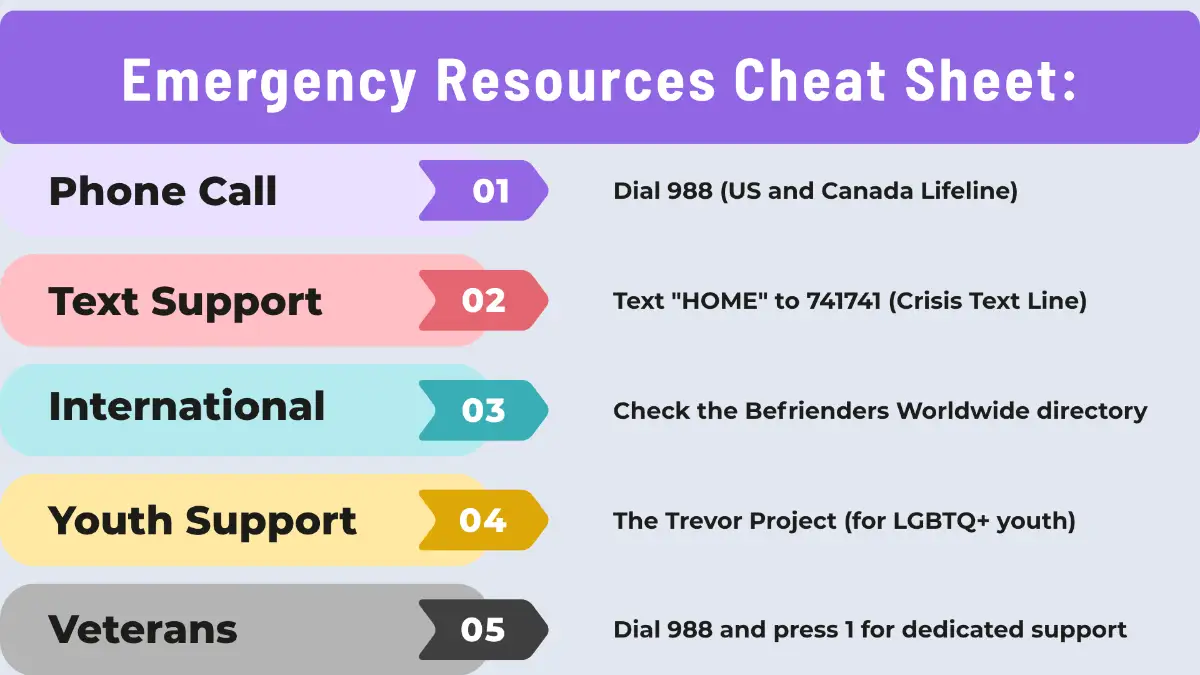
Emergency Resources Cheat Sheet:

Phone Call (US & Canada): Dial 988 to reach the [988 Suicide & Crisis Lifeline](https://988lifeline.org/)

Text Support: Text "HOME" to 741741 to connect with the [Crisis Text Line](https://www.crisistextline.org/)

International Support: Check the [Befrienders Worldwide](https://www.befrienders.org/) directory to find support lines in your country

Youth Support: Contact [The Trevor Project](https://www.thetrevorproject.org/) (for LGBTQ+ youth)

Veterans (US): Dial 988 and press 1 for dedicated veteran support
Myth vs. Reality: Online Mental Health Advice

It is very easy to fall for common myths when you are searching for help online. Let us clear up some of the most common misunderstandings so you can browse the web safely.

The Myth of the "Instant Cure"

Many social media videos promise that a specific breathing exercise or vitamin will cure your anxiety in minutes. This is a myth.

The reality is that mental health recovery takes time and patience. There is no single magic trick that works for everyone. True healing is a gradual process that involves learning healthy coping skills over time.

The Myth That Good Help Must Be Expensive

Some people believe that only wealthy people can get quality mental health support. This is simply not true.

Many community clinics, universities, and non-profits offer free or low-cost counseling. Some therapists also use a "sliding scale" fee system, which means they charge you based on what you can afford to pay.

The Myth That Self-Diagnosis Is Always Safe

It is natural to read an article online and think, "This sounds exactly like me." While reading can help you understand your feelings, self-diagnosis can be risky.

A real diagnosis requires a professional who understands how different conditions interact. Use online information to start a conversation with a doctor, not to label yourself permanently.

Red Flags: How to Spot Dangerous Mental Health Websites

Not every website has good intentions. Some websites want your search traffic to make money from ads, while others want to sell you unhelpful services.

Learning how to spot these red flags will save you time and keep you safe from harm. Here is what you should watch out for when reading mental health blogs.

Extreme or Sensational Headlines

If an article title uses words like "miracle cure," "secret method," or "what doctors won't tell you," be very careful. These are clickbait titles designed to trigger emotional reactions.

Trustworthy medical sites use calm, professional, and balanced language. They explain both the benefits and the limitations of different treatment options.

No Sources or Citations

A reliable health article will always show you where its information comes from. Look for links to scientific studies, medical journals, or medical books at the bottom of the page.

If an author makes big claims without citing any sources, their advice is likely based on personal opinion. Always ask yourself: "How does the writer know this is true?"

Hard Sales Pitches for Unverified Products

If a website describes a mental health struggle and immediately tells you to buy a specific herbal pill or book to solve it, walk away.

While some supplements can support your health, they should never be pushed as a complete replacement for medical treatment. Reliable informational sites focus on education, not sales.

Missing Author Profiles or Medical Review Details

You should always be able to click on the author's name to see who they are. Do they have a degree in psychology, counseling, or medicine?

If the website does not list the author's background, or if the author has no medical training, you should not rely on their medical advice. Safe websites are proud to show the credentials of their writers.

A Simple Checklist for Testing Website Reliability

Before you trust any mental health article you read online, run it through this quick checklist. This will help you decide if the advice is safe to follow.

If the website fails more than two of these checks, it is best to look for another source of information. Your peace of mind is worth the extra few minutes of verification.

Practical Tips to Protect Your Mind While Searching

Searching for mental health support can sometimes make you feel more anxious. Looking at symptom lists for hours can trigger worry and make you feel worse.

To prevent this, set a timer before you start searching online. Give yourself fifteen minutes to find what you need, and then close your browser.

Remember to take deep breaths and step away from the screen if you start to feel overwhelmed. The internet is a tool to help you, not a place to make you feel more stressed.

Keep a small, private notebook to write down any questions you have. This makes it much easier to share your thoughts clearly when you finally talk to a professional.

Taking Your First Safe Steps Toward Healing

You now have the knowledge to find safe, reliable information about mental health support. By focusing on verified sites, checking for medical reviews, and avoiding common red flags, you can search the web with confidence.

Remember that looking for information is just the first step on your path. The ultimate goal of this research is to help you take action in the real world.

Whether that means calling a local helpline, downloading a trusted self-care guide, or booking an appointment with a licensed therapist, you are moving in the right direction. Be gentle with yourself as you take these steps.

You do not have to figure everything out today. Finding even one reliable resource is a wonderful victory for your mental well-being.

Keep moving forward, stay safe online, and remember that real help is always within reach.

Deepening Your Search: Advanced Ways to Navigate Mental Health Information

Understanding where to start is highly beneficial, but taking control of your online research requires advanced strategies. When you learn how to filter information like a professional, you protect your peace of mind.

You do not need a medical degree to find and understand high-quality research. You only need the right tools and a smart system to organize what you find.

Let us explore some advanced methods to help you search safely and build a reliable system for your emotional wellness.

How to Find and Read Clinical Study Abstracts Without Getting Confused

Many people avoid scientific databases because they look too complicated or intimidating. However, platforms like PubMed Central offer free access to millions of peer-reviewed papers.

To search these sites without getting lost, you do not need to read the entire paper from start to finish. Instead, focus your attention on the abstract of the study.

The abstract is a short summary that explains the goal, the methods, and the final results of the research. It tells you exactly what the scientists discovered in simple, direct terms.

When reading an abstract, look closely at the "Conclusion" or "Results" section at the bottom. This part will explain if a treatment actually worked or if more research is still needed.

By reading these direct summaries, you bypass the opinions of bloggers and read the actual science yourself. This is an excellent way to verify if a new therapy trend is based on real evidence.

You can also use Google Scholar to search for specific topics like mindfulness or cognitive behavioral therapy. Simply type your topic into the search bar and look for papers that have been cited by other researchers.

A high number of citations usually means that other experts in the field trust the study. This helps you identify which ideas are widely accepted by professionals.

If you are new to this type of research, starting with our guide on mental health basics can help you build a solid foundation before reading complex scientific papers.

Filtering Social Media: How to Curate a Safe Digital Feed

Social media can be a wonderful place to connect, but it is also a major source of misleading mental health advice.

Algorithms are designed to show you content that makes you feel strong emotions, which often means scary or dramatic videos.

To protect your mind, you must actively train your algorithms to show you safe and accurate content. Start by muting specific keywords related to your triggers in your app settings.

If an account makes you feel anxious, guilty, or hopeless, unfollow it immediately. Your feed should be a place of support, not a source of extra stress.

Only follow creators who clearly list their clinical licenses in their bio, such as licensed clinical social workers or registered psychiatrists.

These creators are bound by professional ethics and are much more likely to share safe advice.

You can also cross-check any social media tip you see with trusted health websites like Healthline. If a popular trend cannot be found on a reputable health site, it is best to ignore it.

Remember that entertainment and therapy are not the same thing. A short video can spark an idea, but it should never replace a structured healing plan.

Building a Private Digital Mental Health Library

When you find a great article, a helpful PDF, or a reliable helpline, do not just leave the tab open on your phone. Create a private folder in your web browser bookmarks and name it "My Safe Space."

Organize this folder into subfolders like "Immediate Help," "Daily Coping Tips," and "Scientific Studies." This makes it incredibly easy to find the right resource when you are having a difficult day.

You can also download free educational booklets from the National Institute of Mental Health to read offline.

Having these files saved on your device means you can access professional support even without an internet connection.

This digital library acts as your personal toolkit. Whenever you feel overwhelmed, you can go straight to your folder instead of searching the open web and risking exposure to bad advice.

If you are looking for specific directories to add to your library, our article on finding therapy offers a curated list of verified professional locators.

Your Long-Term Strategy for Staying Informed Safely

The secret to staying informed without getting overwhelmed is to set clear boundaries for your research.

It is very easy to fall into a habit of searching for hours, which actually increases your stress levels.

Create a rule for yourself that you will only search for health information when you are feeling relatively calm.

Searching for symptoms during a panic attack usually leads to worst-case scenarios and extra fear.

Instead, use your calm moments to read educational articles and learn how your mind works. This helps you build knowledge that you can easily use when difficult moments arrive.

Consider setting a weekly limit on how much health news you read. Your brain needs time to process what you learn, and constant reading can prevent you from actually practicing your coping skills.

Question & Answer: Navigating Online Help

Is online therapy as effective as meeting a therapist in person?

Yes, many scientific studies show that online therapy can be just as helpful as traditional in-person visits.

According to research published by the Centers for Disease Control and Prevention, telehealth options have made care much more accessible for millions of people.

It is important to ensure your online therapist is fully licensed in your state or country.

How can I tell if a mental health app is safe to use?

Look for apps that protect your privacy and do not sell your personal data to advertisers. Safe apps are often developed in partnership with universities or medical institutions.

You can check the app's website for clinical studies that prove their methods actually work.

What should I do if a family member is sharing bad mental health advice?

Gently share a link to a verified resource, like the World Health Organization, and explain why you trust it.

Avoid arguing or accusing them, as this can make them defensive. Focus on sharing positive, evidence-based alternatives that can help them learn.

Silent Pitfalls: What to Avoid When Seeking Emotional Help Online

When we are searching for answers, our critical thinking skills can sometimes take a back seat to our emotions. This is completely natural, but it can lead us into dangerous situations.

Understanding the common mistakes people make when looking for support will help you stay on a safe path. Let us examine these pitfalls so you can protect your emotional well-being.

Mistake 1: Relying on Automated Quizzes for Diagnoses

Many websites offer quick, interactive quizzes that promise to tell you if you have a specific mental health condition.

While these quizzes can be interesting, they are often designed to capture your attention or sell you a service.

An automated quiz cannot understand your personal history, your physical health, or your unique life situation.

Relying on these results can cause unnecessary panic or lead you to ignore other important health factors.

If you want to understand your feelings better, consider reading our detailed guide on understanding anxiety. This resource explains common patterns without trying to give you a clinical label.

Mistake 2: Trusting Personal Stories Over Scientific Evidence

It is incredibly comforting to read a story from someone who felt exactly like you do. However, what worked for a stranger on the internet might not be safe or effective for you.

Everyone has a unique body chemistry, lifestyle, and history. Using a stranger's self-care plan without consulting a professional can lead to unexpected side effects or disappointment.

Use personal stories for emotional comfort and hope, but always rely on scientific sources for your actual treatment choices. This keeps your recovery safe and tailored specifically to your needs.

Mistake 3: Letting Algorithmic Bias Guide Your Education

When you click on several videos or articles about a specific disorder, your social media feed will quickly fill up with similar content.

This creates a psychological bubble where it feels like everyone is struggling with the same issue.

This bias can make you feel like your symptoms are much worse than they actually are. It can also prevent you from seeing helpful, positive content that focuses on recovery and resilience.

Make a conscious effort to search for positive topics, hobbies, and general science to keep your feed balanced. This helps your brain maintain a healthy perspective on your overall life.

Mistake 4: Using Research as a Shield Against Real Action

Sometimes, we spend so much time reading about mental health that we never actually take action to heal. Reading feels productive, but it can easily become a form of procrastination.

You do not need to know everything about psychology to start feeling better. Knowing one simple coping skill and practicing it every day is much better than reading ten books on therapy.

If you find yourself constantly researching without making any changes in your life, it might be time to close your browser. Focus your energy on taking one small, real-world step toward your goals.

Mistake 5: Overlooking the Publication Date of Articles

Science is constantly growing, and what was considered a standard treatment a decade ago might be outdated today.

Reading old articles can give you inaccurate information about medication, therapy types, and coping methods.

Always look for a date at the top or bottom of the article you are reading. Try to focus on resources that have been published or updated within the last few years.

Trusted organizations like the American Psychological Association update their public guides regularly to reflect new scientific discoveries.

Checking the date ensures you are always using the safest, most modern advice available.

The Do's and Don'ts of Online Research

To keep your research safe and effective, use this simple comparative guide whenever you look for information.

Your Action Plan for Tomorrow Morning

To make this information truly useful, you need to bring it into your daily life. Here is a simple, easy action plan you can start practicing tomorrow morning to protect your mental space.

First, identify the three online spaces where you spend the most time, whether that is a social media app, a news site, or a specific blog.

Spend five minutes muting triggering keywords and unfollowing accounts that make you feel anxious or inadequate.

Second, bookmark one trusted government or academic website, such as Mayo Clinic, so it is ready for you whenever you have a medical question.

Having this single, safe resource saved prevents you from wandering into confusing search results during stressful moments.

Finally, tell a trusted friend or family member about your plan to seek reliable information. Sharing your journey with someone else helps

keep you grounded and reminds you that you do not have to carry your burdens alone.

By taking these small steps, you are actively choosing to protect your mental health from the noise of the digital world.

You are taking control of your healing process, and that is a highly courageous choice.

Always remember that your journey is unique, and you deserve safe, gentle, and accurate support along the way.

Stay curious, protect your digital boundaries, and trust that real help is always available to you.

References & Sources:

988 Suicide & Crisis Lifeline. About the Lifeline and How It Works. Available at: [https://988lifeline.org/]

Centers for Disease Control and Prevention (CDC). Mental Health and Telehealth Access. Available at: [https://www.cdc.gov/]

Befrienders Worldwide. Find a Helpline by Country. Available at: [https://www.befrienders.org/]

Disclaimer:

The information provided in this article is for educational and informational purposes only. It is not intended to be a substitute for professional medical advice, diagnosis, or treatment. Always seek the advice of your physician, therapist, or other qualified health provider with any questions you may have regarding a medical condition or mental health concern. Never disregard professional medical advice or delay in seeking it because of something you have read on this website. If you are experiencing a mental health crisis, please contact your local emergency services or dial 988 immediately [1].