

The Daily Dinner Chaos and How My Kitchen Turned into a Calmer Space
I stood in front of my open refrigerator at six in the evening with a heavy sigh. The cold air blew over my face while I stared at half a block of cheese, two wrinkled carrots, and a jar of mustard. My kids were arguing about television in the living room, and my partner kept checking the clock. Every single night felt like an unexpected emergency landing. I was completely drained, tired, and deeply frustrated by the endless question: "What are we eating tonight?"
I used to spend nearly forty minutes every evening opening cabinets, defrosting meat in lukewarm water, and feeling guilty. On many nights, I simply gave up and ordered expensive takeout that left everyone feeling sluggish.
The endless cycle of daily meal decisions causes silent burnout for thousands of parents. You wake up with good intentions, but by evening, fatigue takes over.
When you do not have a clear meal strategy, small daily choices turn into heavy mental loads. You end up spending extra money at the grocery store on items that rot in the crisper drawer.
Even worse, dinner time loses its joy and turns into a source of friction. Sitting down together should build family bonds, yet it often becomes a rush of complaints and processed food.
I remember thinking there had to be a far smoother way to feed my family without losing my sanity every single night. That was the moment I stopped guessing and built a practical routine for our weekly dinners.
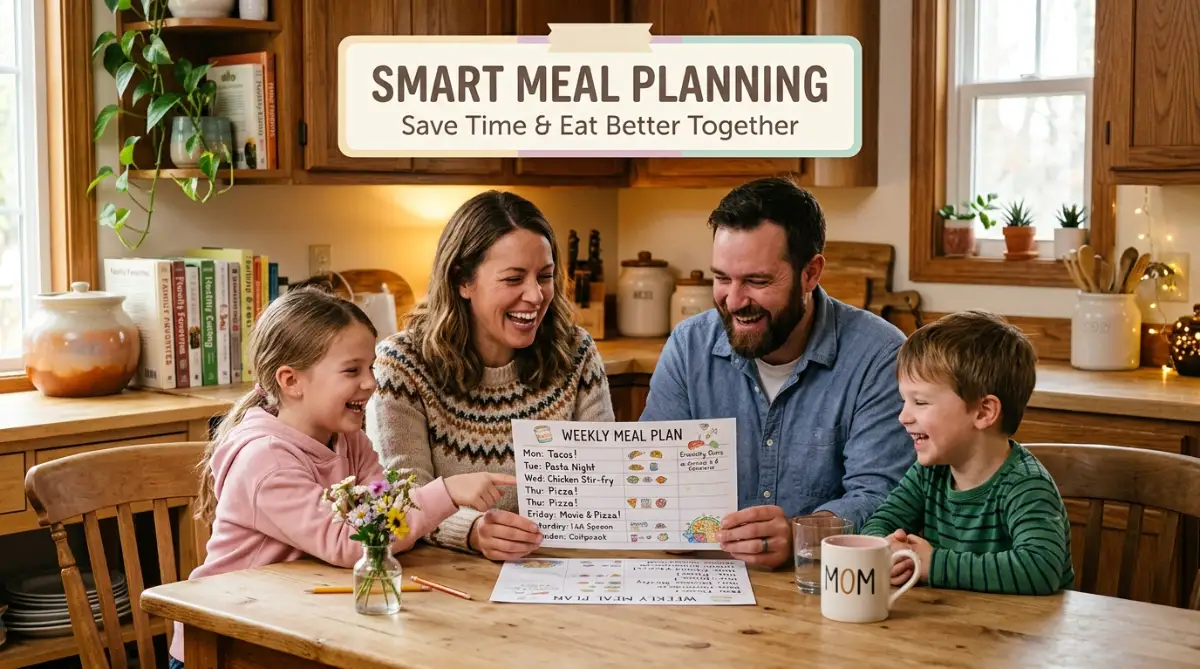
Building Your Weekly Family Menu Framework Without Sacrificing Free Time
Planning meals for an entire household sounds overwhelming until you break it down into simple, manageable pieces. You do not need to cook fancy dishes or spend your entire Sunday locked in the kitchen.
A reliable weekly strategy is not about strict control or eating boring meals. It is about creating a predictable flow that frees up your mind during busy weeknights.
Clear Inventory: Knowing What You Already Own
Before you write down a single recipe, open your food storage cupboards and inspect every shelf. Most families throw away hundreds of dollars in hidden food every year simply because items get pushed to the back.
Take five simple minutes to check your freezer, pantry, and refrigerator drawers. Write down all proteins, grains, and frozen vegetables that need to be used up soon.
Using existing items first cuts down your weekly spending immediately. It also gives you a smart starting point for your main meals.
Planning Approach Unplanned Daily Cooking Structured Weekly Family Menu Daily Stress Level High (6 PM panic decisions) Low (Clear plan ready to go) Food Waste Amount Heavy (Rotting vegetables) Minimal (Only buy what you use) Monthly Food Cost High (Frequent delivery meals) Budget-Friendly (Targeted list) Preparation Time45-60 minutes every night20-30 minutes active assembly
Building Balanced Plates with the Three-Point Rule
A balanced meal does not require complicated nutrition formulas or fancy ingredients. I stick to a very basic rule: every meal needs a quality protein, a complex carbohydrate, and a colorful vegetable or fruit.
Protein keeps your body satisfied and supports growing children throughout their busy school days. Options like chicken, eggs, beans, fish, or tofu work wonderful wonders.
Complex carbohydrates provide steady energy without blood sugar spikes. Think about brown rice, whole-wheat pasta, oats, sweet potatoes, or quinoa.
Vegetables supply key vitamins, minerals, and natural fiber. Adding greens, carrots, bell peppers, or cucumbers completes your plate easily.
My Personal Realization: I used to think I had to cook every dish from scratch every single day to be a good parent. Once I allowed myself to use frozen vegetables and canned beans, my cooking time dropped in half and my family was just as healthy and happy.
Mapping Out Theme Nights for Fast Decision Making
Staring at a blank paper can trigger writer's block when planning a full week of food. Theme nights eliminate that barrier by giving each day a comfortable category.
You do not need to overcomplicate these themes; keep them simple and flexible.
Here is a simple structure that works well for busy homes:
- Monday: Comfort Bowls (Grain bowls with roasted veggies and turkey)
- Tuesday: Mexican Night (Tacos, quesadillas, or fajitas)
- Wednesday: One-Pan Dishes (Sheet pan chicken or skillet meals)
- Thursday: Italian Style (Whole grain pasta, minestrone soup, or flatbreads)
- Friday: Homemade Pizza & Movie Night
- Saturday: Slow Cooker or Leftover Remix
- Sunday: Simple Family Roast & Soup Prep
Having a theme narrows down your choices dramatically. Instead of searching through thousands of recipes, you only look for one quick taco or pasta variation.
If you want to see a live visual breakdown of how smart parents organize their kitchen prep space efficiently, check out this helpful walkthrough video:
Watch this practical guide on quick weekly meal planning strategies to streamline your kitchen setup:
The Scientific Plate Method for Lasting Family Energy
Creating meals that keep adults energised and children focused relies on sound nutritional principles. When meals lack balance, children experience quick blood sugar crashes, leading to mood swings and late-night snack requests.
The Power of Fiber and Protein Pairing
When you combine fiber-rich vegetables with clean protein, digestion slows down naturally. This steady release of energy prevents mid-evening hunger strikes.
If you serve simple white pasta alone, your family will likely feel hungry again within two hours. Pairing that same pasta with lean ground turkey and spinach keeps everyone full until breakfast.
Children especially benefit from sustained glucose delivery during their homework hours. Balanced dinners directly improve focus, mood stability, and sleep quality.
Myth vs. Reality in Family Meal Planning
- Myth: Planning a weekly menu takes hours of boring work every weekend.
- Reality: A solid menu takes less than fifteen minutes once you establish a recurring routine.
- Myth: Kids will reject balanced meals because they only want nuggets and fries.
- Reality: Serving familiar items alongside new vegetables builds healthy habits without daily dinner battles.
- Myth: Fresh ingredients are always superior to canned or frozen alternatives.
- Reality: Frozen vegetables are packed at peak freshness and contain equal or higher nutrients than days-old fresh produce.
Step-by-Step Execution: From Menu Draft to Table
Now that you understand the structure, let us look at the exact steps to turn your draft into actual meals effortlessly.
Step 1: Pantry & Freezer Audit
Step 2: Assign Weekly Theme Nights
Step 3: Draft Menu & Build Grocery List
Step 4: Smart Grocery Shopping & Prep
Step 5: Quick Evening Assembly
Step 1: Draft the Weekly Grid
Grab a simple notepad or print a weekly chart. Fill in your calendar appointments before writing down any dishes.
If Thursday night is packed with sports practice, schedule your quickest 15-minute meal or slow-cooker dish for Thursday. Never schedule a complex new recipe on your busiest evening.
Match your cooking efforts with your natural daily energy levels.
Step 2: Build a Store-Specific Grocery List
Never enter a grocery store without a fully organized shopping list. Group your list by supermarket sections like produce, dairy, meat, and canned goods.
Categorizing your list prevents you from running back and forth across store aisles. It keeps you focused and stops impulse purchases in their tracks.
Buy stable produce with longer shelf life like cabbage, carrots, apples, and potatoes for late-week meals. Use delicate items like spinach and berries early in the week.
Step 3: Master the Art of Pre-Prep
You do not need to spend six hours cooking complete meals on Sunday afternoon. Simple ingredient prep works far better and keeps food tasting fresh.
Wash and dry your salad greens so they are ready for quick assembly. Chop onions, bell peppers, and carrots, placing them into clear containers.
Marinate meats ahead of time and store them in the fridge or freezer. When dinner time arrives, your prep work is already done.
Overcoming Picky Eaters and Schedule Disruptions
No menu plan survives contact with real life unless it includes built-in flexibility. Kids change their food preferences frequently, and late work meetings happen to everyone.
Deconstructed Meals for Picky Eaters
If your child dislikes mixed dishes like casseroles or stews, use the deconstructed strategy. Serve the individual components separately on their plate.
Instead of mixing chicken, rice, broccoli, and sauce together, keep them in distinct piles. The ingredients remain identical, but the presentation lowers childhood anxiety.
Giving children control over how items touch on their plate reduces mealtime resistance.
The Emergency Backup Meal Plan
Every smart weekly system needs a reliable safety valve for unpredictable days. Keep two or three long-shelf-life meals stocked in your pantry at all times.
Whole-wheat pasta with jarred marinara sauce and frozen meatballs takes ten minutes to prepare. Quesadillas made with canned black beans and cheese take even less time.
Having a fast backup prevents expensive emergency takeout orders when plans fall apart.
Smart Grocery Budgeting for Balanced Family Meals
Nutritious family food does not need to drain your wallet. Small choices in ingredient selection make a massive difference in your monthly budget.
Embracing Plant Proteins
Integrating one or two meatless dinners each week slashes your grocery costs dramatically. Lentils, chickpeas, black beans, and eggs are affordable sources of high-quality protein.
A hearty bean chili or chickpea curry costs a fraction of beef-based meals. These dishes often taste even better as leftovers the next day.
Plant proteins are packed with health-promoting dietary fiber that supports gut health.
Buying Staples in Bulk Wisely
Stock up on pantry staples like brown rice, oats, dry beans, and canned tomatoes when they go on sale. These items form the backbone of dozens of simple dinner recipes.
Avoid buying fresh produce in huge bulk quantities unless you have a firm plan to freeze or use it immediately. Spoiled produce is money thrown directly into the trash bin.
Check unit prices on store shelves to ensure you get the best value per weight.
Streamlining Kitchen Cleanup and Evening Routines
Cooking the meal is only half the effort; managing the aftermath often creates equal stress. A smart menu plan keeps cleanup fast and painless.
One-Pot and Sheet Pan Efficiency
Designate at least two nights each week for single-dish cooking methods. Sheet pan dinners let you roast chicken, sweet potatoes, and veggies on one lined baking sheet.
Fewer pots and pans mean far less time standing over the sink after dinner. Line baking sheets with parchment paper for fast cleanup.
Clean your prep tools while items simmer on the stove to keep counters clutter-free.
Transforming Leftovers into Fresh Meals
Cook larger quantities of basic staples like