
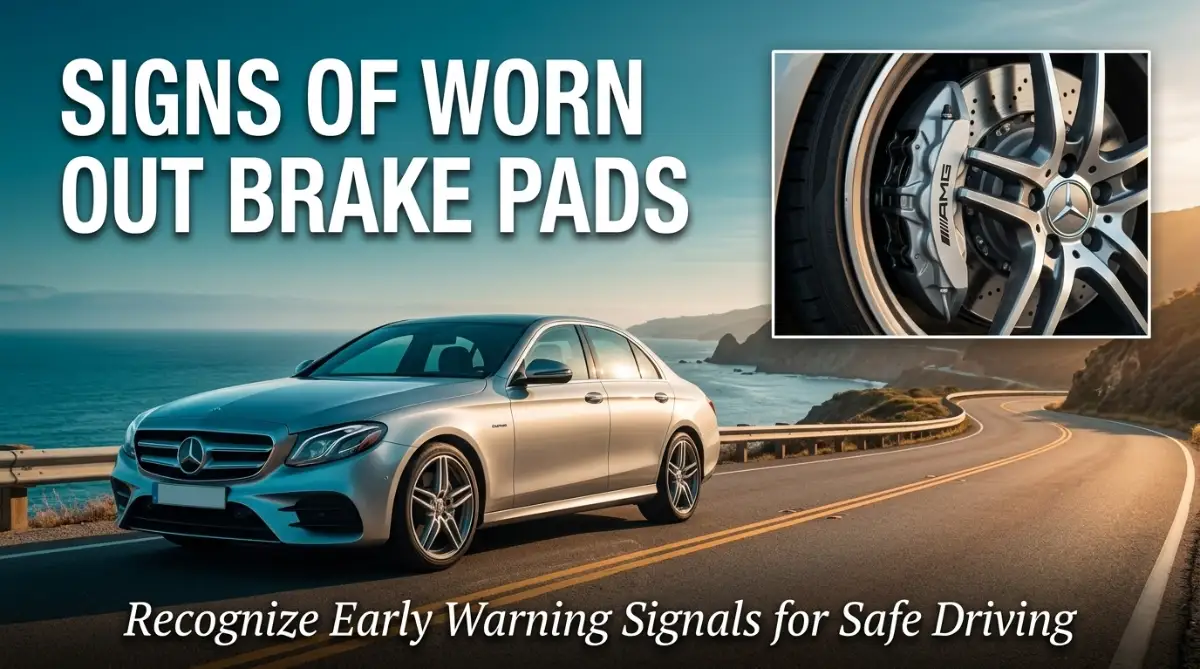
The Quiet Danger on the Road: My Close Call with Failing Brakes
I still remember pulling up to a busy intersection on a rainy Tuesday afternoon last fall. My daily commute was usually completely stress-free, but that day was totally different.
When I pressed down on the brake pedal, I heard an awful metallic scraping noise that echoed right through the floorboards. My heart sank instantly as the car took several extra yards to come to a full stop.
I had been hearing a high-pitched squeak for nearly two weeks, but I kept telling myself it was just moisture from the morning fog. I kept delaying a quick checkup because my schedule was packed with work meetings.
That sudden loss of firm stopping power scared me deeply. I drove straight to a nearby local repair shop at twenty miles per hour with my hazard lights blinking.
The technician pulled off my front tire and showed me the brake assembly. The friction material on my inner pad was completely gone, leaving raw metal grinding directly against the expensive smooth rotor.
That simple mistake turned a cheap routine maintenance job into a huge repair bill. More importantly, it put my personal safety and the safety of my passengers at serious risk on a slippery highway.
The Hidden Cost of Ignoring Daily Warning Signals
Driving a car with thin or damaged stopping components creates constant quiet anxiety. Every time you approach a red light or a sudden traffic slowdown, a small voice in your mind worries if the vehicle will respond in time.
That constant stress ruins the pure joy of driving your daily commute. You start keeping extra distance between cars, turning off the radio to listen for odd noises, and second-guessing every single stop.
Ignoring early warning signs does not just hurt your peace of mind. It actively destroys other expensive parts of your wheel system, including rotors, calipers, and hydraulic lines.
What could be a quick, affordable replacement becomes an unexpected financial burden. Taking care of your stopping components early protects both your wallet and your everyday safety.
How Vehicle Braking Systems Actually Work
To understand why components wear down, it helps to know how your stopping system functions under the hood. Most modern cars use a hydraulic disc system on the front wheels, and many use them on the rear wheels as well.
When your foot presses the pedal, fluid moves through tiny metal hoses. This pressure forces a heavy clamp, called a caliper, to squeeze two flat pads tightly against a spinning metal disc called a rotor.
How Your Braking System Operates:
Brake Pedal ➔ Hydraulic Lines ➔ Caliper ➔ Pads Squeeze Rotor ➔ Wheel Stops
The pads carry special friction material bonded to strong steel backing plates. Every single time you slow down, tiny layers of this material wear away from heat and intense pressure.
Over time, that sacrificial friction layer thins out until it can no longer grip the rotor effectively. Knowing how these components interact makes it much easier to spot trouble long before complete failure happens.
Key Physical Signs Your Brake Friction Layers Are Thin
High-Pitched Squealing or Screeching Sound
One of the first signs of thin friction material is a sharp, high-pitched squeak while stopping. Modern manufacturers build a small metal strip called a mechanical wear indicator directly into the pad backing plate.
When the friction pad wears down to roughly a quarter inch, this tiny metal tongue touches the spinning rotor disc. It creates a loud, continuous squeal designed specifically to catch your attention before major damage occurs.
If the squeaking sound vanishes when you push the pedal harder, the wear indicator is doing its job. You should schedule an inspection promptly before the friction layer disappears completely.
Harsh Metallic Grinding and Scraping Noise
If you ignore the high-pitched squealing for too long, it will eventually turn into a deep, harsh grinding sound. This dark scraping noise means the friction pad is totally worn away down to the bare steel plate.
At this stage, metal is grinding directly against metal every single time you attempt to slow down. This intense friction creates extreme heat, cuts deep grooves into your rotors, and drastically reduces your ability to stop safely.
Driving with metal-on-metal friction is extremely dangerous for everyone on the road. If you hear this loud grinding, you must stop driving the vehicle and get it serviced right away.
Warning Level Sound / Physical Symptom Required Action Early Stage Slight squeak in morning dampness Monitor daily; check thickness Moderate Wear Continuous high-pitched squealing Schedule service within a week Severe Wear (Danger)Deep harsh metallic grinding Stop driving; replace immediately
Changes in Pedal Feel and Vehicle Handling
Spongy or Soft Brake Pedal Response
Your brake pedal should always feel firm and responsive under your foot. If the pedal feels soft, spongy, or sinks all the way down to the floor mat, something is wrong with your system.
Thin pads require the internal hydraulic pistons to travel much farther out of their caliper housings to touch the disc. This extra movement can make the pedal feel noticeably lower and looser than normal.
Spongy pedal feel can also point to trapped air pockets in the fluid lines or low fluid levels. Either way, a soft pedal requires immediate professional attention to restore safe stopping power.
Steering Wheel Vibration and Pedal Pulsation
Do you feel a harsh shaking in your steering wheel or pedal when slowing down from highway speeds? This uncomfortable vibration often stems from uneven surface wear on your spinning disc rotors.
When friction material gets worn unevenly, extreme heat build-up creates high and low spots across the smooth metal disc surface. As the pads clamp down on this uneven surface, the rapid bouncing sends vibrations straight up through your steering column.
Resurfacing or replacing warped rotors along with fresh friction pads will instantly eliminate this annoying vibration and restore smooth, quiet stops.
Visual and Electronic Indicators You Should Never Ignore
Direct Visual Checking Through the Wheel Spokes
You do not always have to rely on sounds or pedal feel to check your stopping system. You can easily inspect the condition of your pads with a simple visual check through your wheel rims.
Look through the open spokes of your alloy wheels and locate the metal caliper resting over the smooth rotor. You will see the outer friction pad clamped against the disc surface.
Quick Inspection Blueprint:
[Outer Steel Caliper]
└── [Backing Plate]
└── [Friction Material: MUST BE > 1/4 INCH] <=== Check Here!
-------------- [Spinning Metal Rotor Disc] --------------
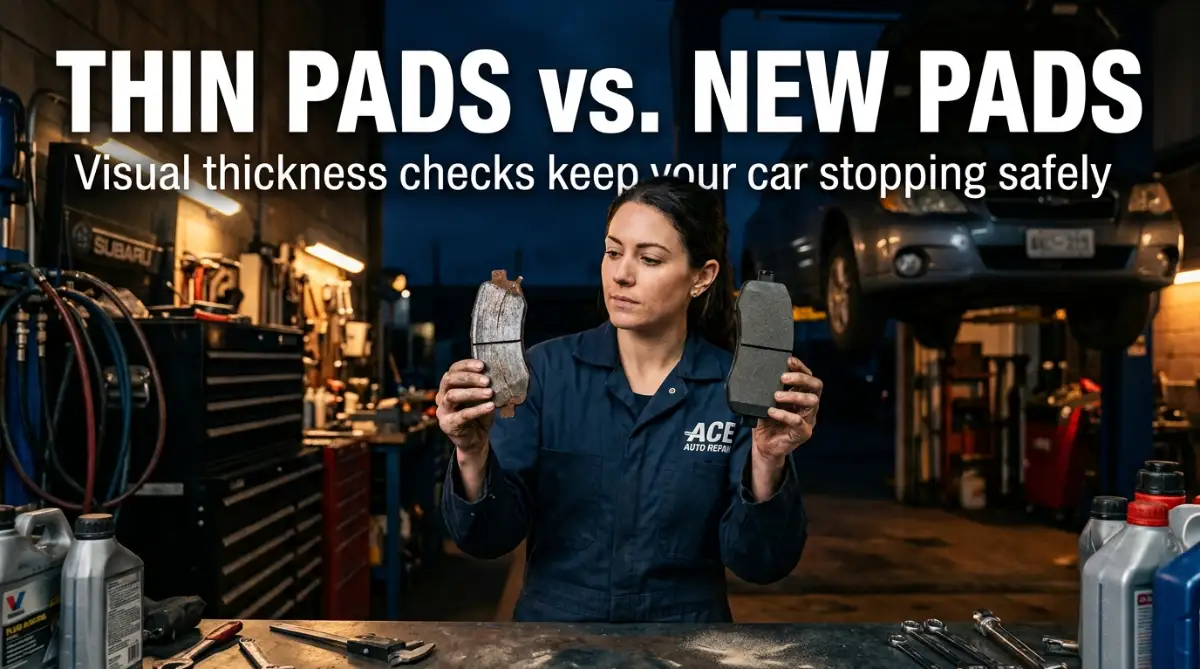
A healthy friction pad should be at least one-fourth of an inch thick (roughly 6 millimeters). If the dark friction layer looks thinner than three-sixteenths of an inch (roughly 3 to 4 millimeters), it is time to order replacements.
Dashboard Warning Lights and Wear Sensors
Many modern vehicles come equipped with clever electronic wear sensors wired directly into the main onboard computer. These small sensors are embedded inside the friction material at specific depth levels.
When the friction pad wears down to a critical level, the sensor circuit breaks or grounds against the metal rotor. This instantly illuminates a dedicated yellow or red brake warning symbol on your main dashboard screen.
Some vehicles share this light with low brake fluid warnings or the parking brake indicator system. If this light stays illuminated while driving, consult your owner's manual and schedule an inspection immediately.
Pro Tip: I used to think checking pad thickness required taking off the wheels in my driveway every month. I later realized I could just keep a small LED flashlight in my glovebox and shine it through the open wheel spokes while washing the car. This simple two-second habit saved me hundreds of dollars by helping me spot uneven pad wear early.
Unusual Vehicle Behaviors During Stopping
Vehicle Pulling to One Side
If your car noticeably swerves or pulls toward the left or right side when you slow down, your pads may be wearing down unevenly. This issue happens when the friction material on one side of the vehicle is significantly thinner or damaged compared to the other side.
Uneven wear can also happen if a caliper slide pin gets stuck or a hydraulic piston freezes inside its bore. One side clamps down with full power while the other side barely touches the rotor disc.
This uneven stopping force can make controlling the car difficult during sudden emergency stops. A thorough inspection will identify whether you need new pads, fresh caliper hardware, or a fluid flush.
Burning Smell Near the Wheels After Driving
Smelling a sharp, chemical burning scent after coming to a halt is a serious warning sign. This pungent odor often indicates severely overheated friction material or a stuck caliper piston holding the pad firmly against the rotor disc while driving.
Extreme heat breaks down the chemical compounds inside the friction material, drastically reducing friction capability. This dangerous condition is known as brake fade, and it temporarily destroys your vehicle's stopping ability.
If you smell burning rubber or harsh chemicals near any wheel, pull over safely to a open spot and let the system cool down completely before inspecting further.
Watch This Simple Brake Inspection Guide
Before performing any visual checks on your own driveway, watching a quick video tutorial can make locating calipers and checking pad thickness much easier.
Check out this practical step-by-step video on how to visually inspect your vehicle stopping system without special tools.
Common Myths vs. Realities About Vehicle Stopping Systems
There are many confusing myths circulating among car owners regarding pad wear and noise. Let us break down the facts so you can make confident, smart maintenance decisions.
Myth 1: Squeaking Always Means You Need New Parts
Reality: Moisture, morning frost, or light surface rust after a rainy night can cause temporary squeaking that goes away after three or four stops. However, persistent squealing that continues all day long definitely means your wear indicators are active.
Myth 2: You Only Need to Replace the Pads on the Bad Side
Reality: Stopping components must always be replaced in complete axle sets (both front wheels or both rear wheels together). Replacing only one side creates uneven friction, causing the vehicle to pull dangerously toward the stronger side during hard stops.
Myth 3: New Friction Pads Will Instantly Stop Silently
Reality: Fresh pads require a short "bedding-in" period of fifty to one hundred miles to transfer a thin, uniform layer of friction material onto the rotor surface. Gentle stopping during the first few days ensures silent, smooth long-term operation.
Common Belief (Myth) Mechanically Sound Fact (Reality)Morning squeaks mean instant replacement Morning dampness fades after a few quick stops Replace pads on only one side to save Always replace across the full front or rear axle Rotors