

Why Modern Products Break So Fast and What We Can Do About It
Three years ago, I bought what I thought was an indestructible steel camping chair. The box bragged about "military-grade durability," and I happily handed over 75 USD. Exactly three weeks later, on a wet Tuesday afternoon, the main support rivet sheared clean in half. I ended up flat on my back in the cold mud with a bent metal bar digging into my ribs.
That embarrassing spill ruined my weekend, but it started my hunt for the truth. Why does the gear we buy today fall apart so quickly? I was tired of throwing away blenders, power tools, and patio chairs after only a few months of light use.
To find answers, I spent the last few years visiting mechanical test labs, tearing apart broken tools in my garage, and talking to real structural engineers. What I found out shocked me: modern products are rarely built to survive daily accidents. Instead, they are engineered down to the thinnest possible millimeter just to shave pennies off shipping costs.
If you are sick of wasting your hard-earned money on junk that snaps the moment you need it, this guide is for you. I will show you how to look past fancy marketing buzzwords, check real structural stress limits, and spot solid gear before you swipe your card.
Quick Takeaways: What You Need to Know in 30 Seconds
- Ignore Marketing Claims: Words like "heavy-duty" or "pro-grade" mean nothing without independent ASTM or ISO load ratings.
- Small Shocks Beat Big Loads: Most products snap from thousands of tiny vibrations over time (fatigue failure), not from one single heavy drop.
- Check Internal Ribbing: Flip plastic items over; if you do not see molded honeycomb or cross-hatch support walls, the shell will flex and crack early.
- Look at the Screws: Always pick products with brass thread inserts or locking nuts instead of bare screws forced directly into soft plastic holes.
Core Mechanical Strength Metrics That Experts Measure First
Yield Strength and Ultimate Tensile Strength
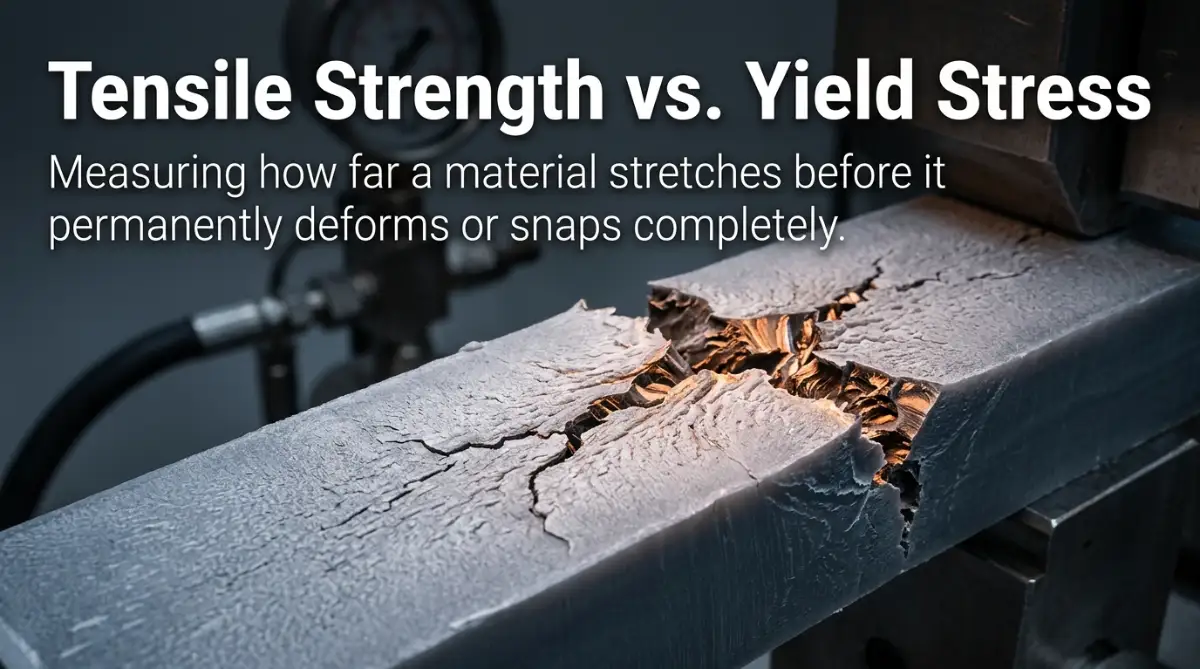
When testing technicians want to find out how tough a metal bracket really is, they hook it up to a hydraulic pulling machine and yank it until it tears apart. They watch for two main numbers: yield strength and ultimate tensile strength. Yield strength is the point where a frame bends so far that it stays bent forever. Ultimate strength is the load that snaps it clean in two. If a company wants to cut costs, they use cheaper metal blends where the bend point sits way too close to your everyday weight limit. That is why hitting one hard bump on a cheap wheelbarrow bends the axle permanently.