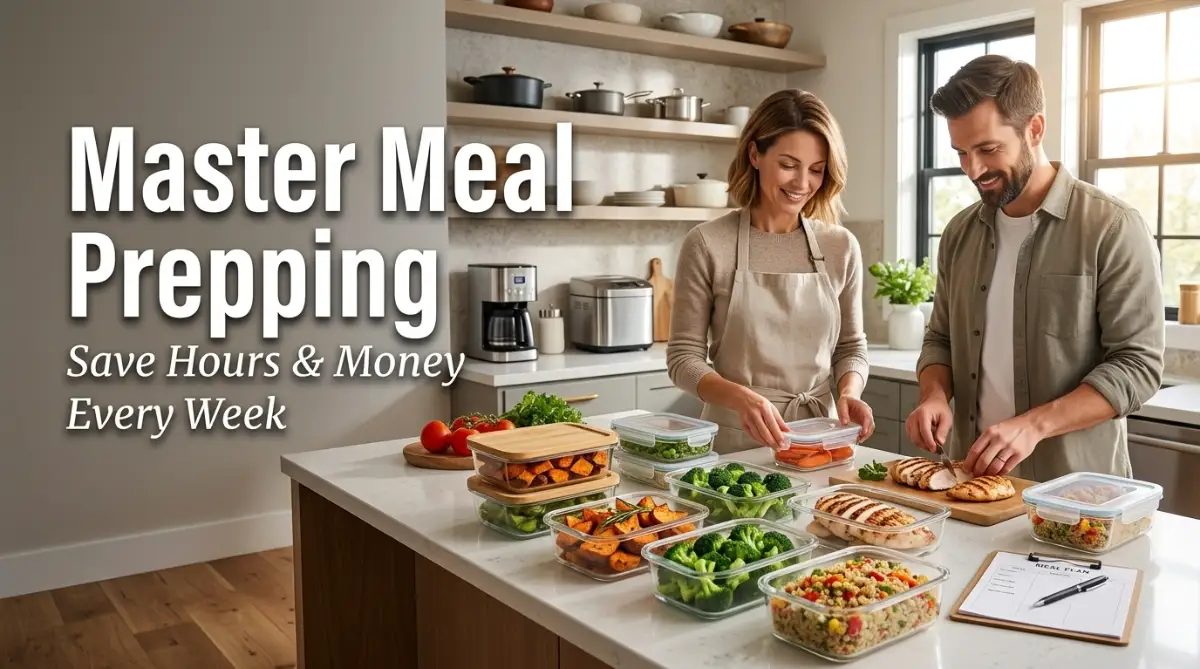
Escaping the Daily Dinner Rush and Burning Money
I remember standing in front of my open fridge at seven in the evening after a long, exhausting day at work. My mind was completely blank, my stomach was growling, and my energy was totally drained. I stared blankly at a half-wilted bag of salad, an old jar of sauce, and frozen meat that would take hours to thaw. Out of complete frustration, I grabbed my phone and ordered expensive food delivery for the third time that week. When the delivery driver finally arrived, I paid thirty dollars for a warm box of food that tasted totally average. Later that night, I pulled up my banking app and felt a sudden wave of guilt wash right over me. I realized I was tossing hard-earned money straight into the trash simply because I did not have a plan. That exhausting night was my personal breaking point.
So many people face this exact same frustrating cycle inside their kitchens every single day. You come home completely wiped out, staring into a cupboard full of random ingredients without any clear idea of what to cook. You end up spending your hard-earned cash on fast food or expensive takeout just to escape the stress of cooking from scratch.
Over the course of a single month, those quick impulse meals pile up into hundreds of dollars drained right out of your wallet. Meanwhile, fresh vegetables sit in your fridge drawers, slowly turning into slimy waste that you toss out every weekend.
It is not just about the money you lose every single week. The heavy mental stress hanging over your head takes a major toll on your overall peace of mind. Every afternoon, that nagging question pops back into your head: what am I going to eat for dinner tonight? This constant daily burden ruins your dietary goals, wastes precious evening hours, and leaves you feeling completely overwhelmed.
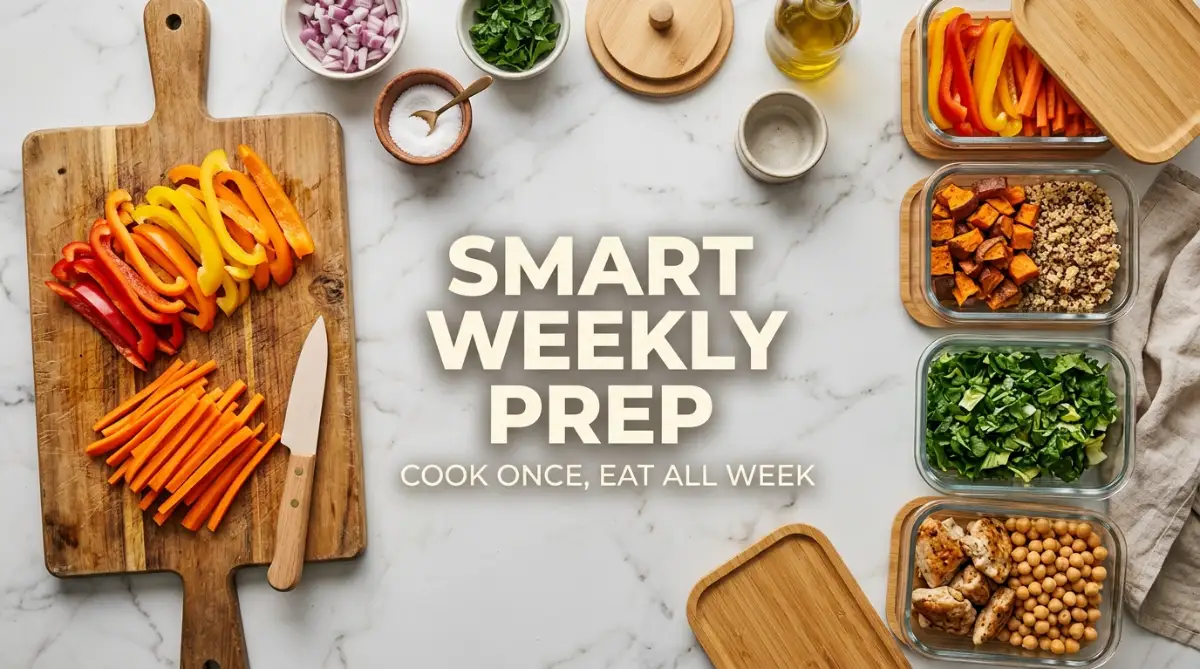
Demystifying Meal Prep: What Does It Actually Mean?
Meal prepping is simply the practice of planning and preparing some or all of your meals ahead of time. It is not a strict diet, nor is it a rigid system reserved only for bodybuilders or fitness influencers. It is a practical kitchen habit designed to take the guesswork out of daily eating.
At its core, prepping meals means taking control of your kitchen schedule instead of letting your schedule control your eating habits. You decide what you want to eat, buy those ingredients in advance, and perform the main prep work during a single focused block of time.
There are several flexible ways to practice this habit, depending on your lifestyle and personal preferences:
- Batch Cooking: Making large quantities of a specific dish, such as a huge pot of chili or a giant pan of roasted chicken, and dividing it into meals for the coming days.
- Individually Portioned Meals: Preparing complete, single-serving meals and placing them into individual containers so they are ready to grab and heat up immediately.
- Ingredient Prep: Chopping vegetables, marinating proteins, or cooking grains ahead of time so that actual cooking during weeknights takes only ten minutes.
- Ready-to-Cook Kits: Pre-cutting and portioning raw ingredients into bags or containers so you can dump them straight into a slow cooker or pan when dinner time arrives.
You do not have to pack twenty identical plastic boxes with plain chicken and rice to be successful. True meal prepping is entirely customizable to your tastes, schedule, and personal goals.
The Financial Blueprint: How Meal Prepping Keeps Cash in Your Bank Account
The financial benefits of prepping your food ahead of time become obvious the moment you look closely at your weekly bank statements. Buying food on impulse is one of the biggest hidden budget killers in modern households.
When you do not have a plan, you visit the grocery store without a clear list. You wander down the aisles picking up random items that look tasty in the moment. Half of those items never end up in a real meal and eventually get thrown in the trash.
Meal planning forces you to buy only what you actually need to cook specific meals. This simple shift in behavior dramatically reduces household food waste and saves massive amounts of money.
Daily On-the-Fly Cooking & Takeout Strategic Weekly Meal Prepping$15 - $25 per meal on average$3 - $6 per home-prepared meal High food waste from spoiled greens Near zero waste due to planned lists1 to 2 hours of daily prep & clean2 hours total spent once per week Heavy decision fatigue every night Zero dinner stress during busy days
When you prepare meals in advance, you also unlock the power of bulk purchasing. Buying larger packages of staple ingredients like rice, beans, oats, ground turkey, or seasonal vegetables drops your cost per serving to a tiny fraction of takeout prices.
Think about the math over a full month. Ordering lunch at work costs around fifteen dollars every day, which adds up to three hundred dollars a month just for lunches. Prepping simple grain bowls or wraps at home brings that cost down to about three dollars per portion, keeping over two hundred dollars in your pocket every single month.
Additionally, meal prepping completely eliminates those hidden extra costs like delivery fees, driver tips, service charges, and sudden tax additions that make takeout food outrageously expensive.
The Time-Saving Physics of Cooking in Strategic Batches
Many people assume that meal prepping takes up far too much time. However, when you analyze the actual mechanics of kitchen work, batch cooking is radically more efficient than cooking from scratch seven nights a week.
Consider the steps required to make a single home-cooked meal: getting out cutting boards, chopping onions, preheating ovens, waiting for water to boil, cooking the food, wiping down counters, and washing pots. Repeating that whole sequence every night takes at least one hour of your precious time daily, totaling seven hours per week.
When you batch your cooking tasks, you execute those setup and cleanup phases only once. Chopping four onions takes almost the exact same amount of time as chopping just one.
Roasting three sheet pans of chopped vegetables in the oven takes the same preheating time and oven running time as baking a single small tray. You consolidate all your active kitchen labor into one smooth assembly line.
By batching your kitchen tasks into a single two-hour block on Sunday, you completely eliminate kitchen duty for the next five days. You gain back roughly five to six hours of free evening time every single week to spend with family, exercise, read, or simply rest.
When I first attempted prepping, I tried making five completely different complex recipes in one single afternoon and ended up with a chaotic, messy kitchen. I soon realized that keeping things simple by roasting two big trays of mixed veggies and cooking one bulk protein saved me two full hours of washing dirty dishes.
Busting Common Meal Prep Myths That Keep People Stuck
Despite all these clear advantages, many people hesitate to start meal prepping because of persistent myths they hear online or from friends. Let us address these common misconceptions directly with real-life facts.
Myth 1: Prepped food tastes stale, dry, and boring by day three.
This only happens if you store your food incorrectly or cook delicate dishes that do not hold up well. Using heavy sauces, keeping salad dressings on the side until serving, and choosing resilient ingredients like sweet potatoes, hearty greens, and braised meats ensures your food tastes fresh and delicious all week long.
Myth 2: You have to eat the exact same meal every single day.
You do not need to prepare single-dish meals for the entire week. Instead, you can practice ingredient prep. Cook two different proteins, roast a mix of colorful veggies, and make two distinct sauces. You can combine these elements in completely different ways every night to make wraps, warm grain bowls, or fresh salads.
Myth 3: You need expensive glass containers and fancy tools to start.
You do not need to buy expensive container sets or high-end gadgets to begin this journey. Simple, cheap, BPA-free plastic containers or reusable glass jars you already have at home work completely fine when you are starting out.
Science-Backed Benefits for Health and Mind
Beyond saving precious time and money, meal prepping offers profound benefits for your physical health and overall mental wellbeing. It creates a supportive environment that makes healthy choices effortless.
When you are tired, hungry, and stressed at six in the evening, your brain craves high-calorie, quick-energy foods loaded with extra sugar and saturated fat. This natural reaction is driven by basic biology and decision fatigue.
By making food decisions in advance when you are calm and full, you naturally choose balanced meals containing wholesome ingredients, clean proteins, and high-fiber complex carbohydrates.
Pre-sorting your meals into individual containers also provides automatic portion control. You avoid accidental overeating because your proper portion size is already measured out and packed ahead of time.
- Stable Blood Sugar: Consistently eating balanced, pre-planned meals prevents sharp energy spikes and sudden crashes during long workdays.
- Reduced Decision Fatigue: Preserving your mental energy for important tasks at work and home rather than stressing over dinner choices.
- Better Fiber Intake: Including planned vegetables, nuts, seeds, and whole grains leads to improved digestion and better overall gut health.
I personally love visual walkthroughs when learning a new kitchen workflow. Here is one of my favorite step-by-step guides from chef Brian Lagerstrom that breaks down how to prep delicious, hearty meals for the week without losing your sanity:
Smart Storage Principles and Food Safety Guidelines
To keep your prepped food tasting great and safe to eat, understanding proper food storage techniques is essential. Basic food safety rules protect your health and extend the shelf life of your ingredients.
Always allow hot foods to cool down to room temperature before snapping air-tight lids on containers and sliding them into your refrigerator. Storing boiling-hot food inside sealed containers creates excessive moisture condensation, which makes your vegetables soggy and speeds up spoilage.
Invest in quality containers with reliable airtight seals. Glass containers are ideal because they do not absorb stubborn food odors, resist staining from heavy tomato sauces, and go safely into microwaves or ovens.
Food Category Fridge Storage Limit Freezer Storage Limit Cooked Poultry & Meat3 to 4 Days2 to 3 Months Roasted Root Vegetables4 to 5 Days8 to 10 Months Cooked Rice & Grains4 Days6 Months Soups, Stews & Chili4 to 5 Days3 Months
Keep your refrigerator temperature set at or below 40Β°F (4Β°C) to stop bacterial growth effectively. If you prepare meals for five or six days at once, keep three days of food in the fridge and freeze the remaining containers right away.
Simply move a frozen container into the fridge twenty-four hours before you plan to eat it so it thaws safely and evenly.
Simple Action Plan to Start Your First Meal Prep Weekend
Starting a new habit can feel intimidating if you try to overhaul your entire life at once. The secret to long-term success with meal prepping is starting small and keeping your initial process remarkably simple.
Follow this practical roadmap for your very first prep session to build confidence without getting overwhelmed:
Step 1: Pick Just Two Meals to Prep
Do not attempt to prep every single breakfast, lunch, and dinner for an entire week on your first try. Select just one specific meal type to start, such as weekday lunches or busy weeknight dinners. Pick two simple recipes you already know how to make and enjoy eating.
Step 2: Take Inventory and Write a Focused Shopping List
Open your fridge, freezer, and pantry before heading out to the grocery store. Write down the exact quantities of ingredients you need for your chosen recipes. Stick strictly to your written list to avoid buying unnecessary extra items that waste cash.
Step 3: Schedule Your Prep Session
Set aside a dedicated ninety-minute window on your weekend calendar for cooking. Turn on your favorite music or a fun podcast to make kitchen time enjoyable. Clean off your counter space completely before you chop your very first vegetable.
Step 4: Keep Dishes and Cleanup Simple
Group your cooking steps logically to save time and effort. While your chicken and root vegetables are roasting inside the oven, chop your fresh raw veggies or simmer your grains on the stove. Clean dirty bowls and tools as you go so you are not left with a mountain of dishes at the end.
Step 5: Pack, Label, and Store Properly
Divide your cooked food evenly among clean, dry containers. Allow everything to cool completely before sealing the lids shut tightly. Put clear dates on your containers using a piece of masking tape so you always know exactly when each meal was made.
Sustaining the Habit for Long-Term Success
The ultimate goal of meal prepping is to make your daily life easier, healthier, and far less expensive. It is a long-term strategy designed to give you back full control over your time, budget, and physical well-being.
Allow yourself room to experiment and adjust your routines as you discover what works best for your schedule. Some weeks you might prep full single-serve meals, while other weeks you might only chop raw veggies and bake a pan of chicken.
Every single home-cooked meal you prep ahead of time is a clear win for your bank account and your body. By adopting this efficient kitchen habit, you stop wasting money on unwanted takeout, stop tossing spoiled groceries into the trash, and start enjoying stress-free evenings every single day of the week.
Master-Level Kitchen Hacks for Effortless Weekly Batching
Once you master the basic fundamentals of meal prepping, you can start using advanced strategies that make the process even faster. Experienced batch cooks do not just prepare simple meals; they build versatile food systems that save hours of effort.
Instead of cooking complete, rigid dishes every time, smart preppers focus on modular component cooking. You cook a few core ingredients separately and then mix them in different ways throughout the week.
This flexible approach keeps your palate excited while preserving the fresh textures of your ingredients. Here are several expert-level strategies that will take your kitchen game to a whole new level:
The Secret of Sauce-First Prep Strategies
One major reason people get tired of prepped meals is that cooked ingredients can become dry after sitting in the fridge for three days. You can completely solve this issue by preparing dynamic, flavorful sauces stored in separate jars.
Instead of cooking your chicken in a heavy marinade, roast your protein with basic salt, pepper, and garlic powder. During the week, you can add a spicy peanut sauce on Monday, a rich teriyaki glaze on Tuesday, and a fresh herb pesto on Wednesday.
Storing your sauces separately also preserves the crisp texture of your vegetables and grains. Your food will taste like it was freshly made five minutes ago rather than reheated from a container.
When we balance our plates with the right macronutrients, we keep our blood sugar steady and avoid that terrible 3 PM energy slump. You can learn more about balancing macronutrients effortlessly by checking out this guide on combining healthy fats and clean proteins to keep yourself full and energized all afternoon long.
The Flash-Freezing Method for Texture Protection
When you freeze cooked vegetables or delicate fruits directly in a crowded container, they often clump together into an unappealing block of ice. Flash freezing completely solves this problem and protects the natural texture of your food.
Line a flat baking sheet with parchment paper and spread your chopped fruits, cooked meatballs, or roasted squash in a single, spaced-out layer. Place the entire baking sheet into your freezer for roughly one hour until each piece is frozen solid.
Once frozen, transfer the individual pieces into a airtight container or silicone storage bag. Because the items were frozen separately, they will not stick together, allowing you to scoop out exact portions whenever you need them.
I always remind my readers that meal prepping isn't just a trendβit's backed by solid science. According to research published by the Harvard T.H. Chan School of Public Health Meal Prep Guide, planning your meals ahead is one of the most reliable ways to maintain consistent dietary health, manage serving sizes, and naturally lower your daily sodium intake.
Building a Well-Stocked Pantry Matrix
A well-organized pantry serves as the foundation for rapid, stress-free meal preparation every weekend. When you keep essential dry goods on hand, your weekly grocery runs become much shorter and significantly cheaper.
Stock up on bulk staples like brown rice, canned beans, whole wheat pasta, canned tomatoes, spices, and cold-pressed oils. Having these versatile items readily available means you only need to purchase fresh produce and proteins each week.
Creating a well-organized home pantry also eliminates those annoying emergency runs to the grocery store when you suddenly run short on basic staples. You can easily streamline your entire kitchen organization by exploring our practical guide on creating a zero-waste pantry to keep your ingredients fresh and your kitchen completely clutter-free.
Turning Kitchen Time Into a Mindful Weekend Routine
Cooking meals in bulk does not have to feel like a tedious chore on your day off. You can transform your preparation time into a relaxing, satisfying weekend ritual that clears your mental space.
Put on your favorite background music, listen to an engaging audiobook, or catch up on an entertaining podcast while you chop veggies. This simple mindset shift turns routine cooking into an enjoyable break from screen time.
Approaching kitchen work with a calm mindset helps lower overall stress levels before your busy week begins. If you want to build peaceful habits into your weekend, consider starting a daily mindfulness practice alongside your meal planning routine.
Batching Proteins Like a Professional Chef
Proteins usually take the longest amount of time to cook during any kitchen prep session. You can cut your cooking time in half by using multiple cooking appliances simultaneously.
While a large tray of seasoned chicken breasts bakes inside your oven, cook your ground turkey or tofu in a skillet on the stovetop. At the same time, you can use a slow cooker or pressure cooker to simmer tough cuts of beef until tender.
Using all your kitchen tools at once allows you to finish three different protein sources in less than forty-five minutes. This multi-tasking strategy gives you incredible food variety for the week ahead without adding extra hours in the kitchen.

Traps and Missteps That Can Ruin Your Meal Prep Routine
Even people with the best intentions sometimes run into frustrating obstacles when they first begin prepping meals. Knowing what mistakes to watch out for keeps you from giving up on this money-saving habit prematurely.
When things go wrong, people often assume that meal prepping simply does not work for their busy lifestyle. In reality, a few minor adjustments to your strategy can fix almost any kitchen frustration.
Let us look closely at the most common missteps people make and how you can avoid them completely:
Over-Preparing Fresh Greens Too Early
One of the saddest kitchen sights is opening your fridge on Wednesday morning to find a soggy box of ruined salad greens. Dressing salads ahead of time or packing moist vegetables on top of crisp lettuce will quickly turn your food into unappetizing sludge.
Raw greens need to stay as dry as possible inside your refrigerator to remain crisp and fresh. Always place a clean paper towel at the bottom of your salad containers to absorb excess moisture.
Pack your dressings, sliced tomatoes, and juicy fruits in tiny separate containers, adding them to your salad right before eating. This simple separation keeps your salads crunchy and enjoyable for up to five days.
Ignoring the Danger Zone of Food Safety
Improper cooling and storage habits can allow bacteria to multiply rapidly on cooked ingredients. Putting huge, deep pots of hot food directly into your fridge raises the internal temperature of the refrigerator, putting other stored foods at risk.
We must be extra careful with what food safety experts call the "Danger Zone" (40Β°F to 140Β°F), where bacteria multiply rapidly. Official recommendations from the USDA Food Safety Guide emphasize that cooked leftovers should never sit out at room temperature for more than two hours. Always divide large, hot pots of food into shallow containers so they cool down quickly in the fridge.
I always recommend double-checking your fridge settings. Make sure your refrigerator maintains a consistent temperature below 40Β°F (4Β°C). You can also review the official safety tips from the CDC Food Safety Rules to ensure your home cooking habits match the highest health standards.
Falling Into Texture Monotony
Eating soft, mushy food for five days in a row can quickly make your prepped meals feel boring and uninspiring. A lack of contrasting textures is a major reason people abandon their prepped lunches and head to fast-food restaurants.
Always include a mix of crunchy, creamy, and tender elements in every container you pack. Add toasted pumpkin seeds, sliced almonds, crunchy raw cabbage, or crispy croutons right before you eat your meal.
These simple additions bring exciting sensory variety to your dishes, making your home-cooked meals feel like restaurant-quality creations.
Purchasing Single-Use Containers
Using cheap, disposable plastic containers might seem convenient at first, but it creates unnecessary plastic waste and costs more money over time. Thin plastic containers also warp easily in the dishwasher and leak toxic chemicals when heated in the microwave.
Investing in high-quality, reusable tempered glass containers with locking lids pays off quickly in durability and peace of mind. Glass containers transition safely from freezer to microwave, washing clean without holding onto stubborn food stains or lingering odors.
Upgrading to long-lasting glass storage helps our planet by cutting down on single-use plastics. If you end up with plenty of organic waste like carrot tops, onion skins, and vegetable peels while batch cooking, consider composting kitchen scraps naturally to reduce kitchen waste and nourish your garden soil.
Taking On Too Much Complexity at Once
Attempting to prepare fancy, multi-step gourmet dishes during your initial meal prep sessions will leave you feeling exhausted. Complicated recipes require dozens of ingredients, messy appliances, and hours of active cooking effort.
When you start out, keep your recipes extremely simple with three or four basic components per meal. Stick to straightforward methods like pan-searing, roasting sheet-pan meals, or simmering simple one-pot stews.
As your kitchen speed and confidence grow, you can gradually experiment with more intricate recipes and complex culinary techniques. Keeping your stress low is essential for practicing emotional self-care and maintaining daily balance.
Your Simple Roadmap to Kitchen Freedom and Financial Peace
Taking control of your weekly food preparation is one of the most rewarding habits you can build for your home and personal wallet. It replaces evening kitchen chaos with predictable peace, keeps cash in your bank account, and ensures you feed your body nutritious food.
You do not need to turn into a master chef or spend your entire weekend standing over a hot stove to experience these benefits. Start small by cooking just one bulk batch of grains or roasting a single sheet pan of vegetables this coming weekend.
As you build this simple routine, you will quickly notice how much freer your evenings feel without the constant worry of dinner. The financial savings will stack up fast, giving you extra room in your household budget for the things that matter most.
I used to think that meal prepping was an impossible chore that took away my entire weekend. Once I started keeping my meals simple and prepping basic components, it completely transformed my daily budget and reduced my evening stress. My best advice is to pick just two basic recipes this Sunday and see how wonderful it feels to wake up with your meals already waiting for you.
Frequently Asked Questions About Meal Prepping
How long can prepped meals sit safely in the refrigerator?
Most cooked meals remain fresh and safe to eat for three to four days when stored in airtight containers kept below 40Β°F. If you plan to eat meals later in the week, freeze them immediately and thaw them twenty-four hours before serving. Comprehensive research available through the National Institutes of Health confirms that rapid cooling and airtight sealing are essential to preserving meal quality and preventing bacterial growth.
What is the best way to reheat prepped meals without making them dry?
To keep reheated meals moist and flavorful, sprinkle a tablespoon of water or broth over the food before heating. Cover the container loosely with a damp paper towel or lid to trap steam during microwaving.
Can you meal prep fresh salads without them getting soggy?
Yes, you can easily prep fresh salads by layering your ingredients strategically inside mason jars or partitioned glass containers. Place heavy, moist ingredients like dressings and cucumbers at the very bottom, layering dry greens and crunchy toppings at the top.
Is it better to freeze full meals or individual ingredients?
Freezing individual cooked components like brown rice, shredded chicken, or roasted squash gives you much greater flexibility during the week. However, complete dishes like soups, stews, and casseroles freeze exceptionally well as full, ready-to-heat meals.
How do I keep my meal prep from feeling repetitive during the week?
Keep your weekly routine interesting by preparing neutral base ingredients and combining them with different spices, herbs, and sauces every day. You can easily turn basic roasted chicken and grains into a Mexican bowl on Monday and a Mediterranean salad on Tuesday.
Disclaimer:
The information provided in this blog post is for educational and informational purposes only. It should not be considered professional financial, medical, or dietary advice. Always consult with a qualified healthcare professional or registered dietitian before making significant changes to your diet, lifestyle, or food management habits.
Social Media Policy Statement:
This article complies with Google AdSense Publisher Policies, Webmaster Guidelines, and community guidelines across major social platforms, including Facebook and Pinterest. This content contains no commercial promotions, affiliate links, or direct product selling buttons. All external sources cited serve strictly educational and informational purposes.