
Wake up in the morning, walk to the bathroom, and look in the mirror. Instead of your usual smooth skin, you see tight, flaky, and rough spots on your cheeks or around your nose.
Touching your face feels like rubbing sandpaper. It is itchy, slightly red, and feels incredibly uncomfortable.
You try to apply your favorite makeup, but the foundation clings to those dry spots, making them look even worse. This sudden change can leave you feeling confused and frustrated.
Many people face this issue and immediately try to scrub the dry skin away. However, they soon realize that hasty actions only make their skin burn and peel more.
Finding the right path to healing is tough when there is so much conflicting advice online. People often end up trapped in a cycle of irritation because they do not understand what their skin is trying to say.
- Using harsh physical scrubs: People often think they can just wash off the dead skin, but scrubbing damages the delicate skin layer and increases redness.
- Applying heavy, greasy household oils: Putting random cooking oils or heavy butter on your face can clog your pores and cause acne without actually fixing the lack of water in your skin.
- Falling for viral internet hacks: Trying random DIY pastes made of lemon, baking soda, or vinegar can cause chemical burns on already damaged skin.
- Switching too many products at once: Out of fear, people buy five new creams and apply them all, which overloads the skin and triggers allergic reactions.
This constant struggle does more than just hurt your skin; it impacts your daily happiness.
- Losing your confidence: You might find yourself hiding your face during video calls or avoiding close-up photos with friends.
- Constant daily distraction: The feeling of tight, itchy skin on your face draws your attention all day long, making it hard to focus on work.
- Anxiety about your health: You might start worrying that these patches are signs of a permanent skin disease or an incurable allergy.
- Wasting money on useless products: Watching your hard-earned money go toward expensive creams that do nothing can feel deeply discouraging.
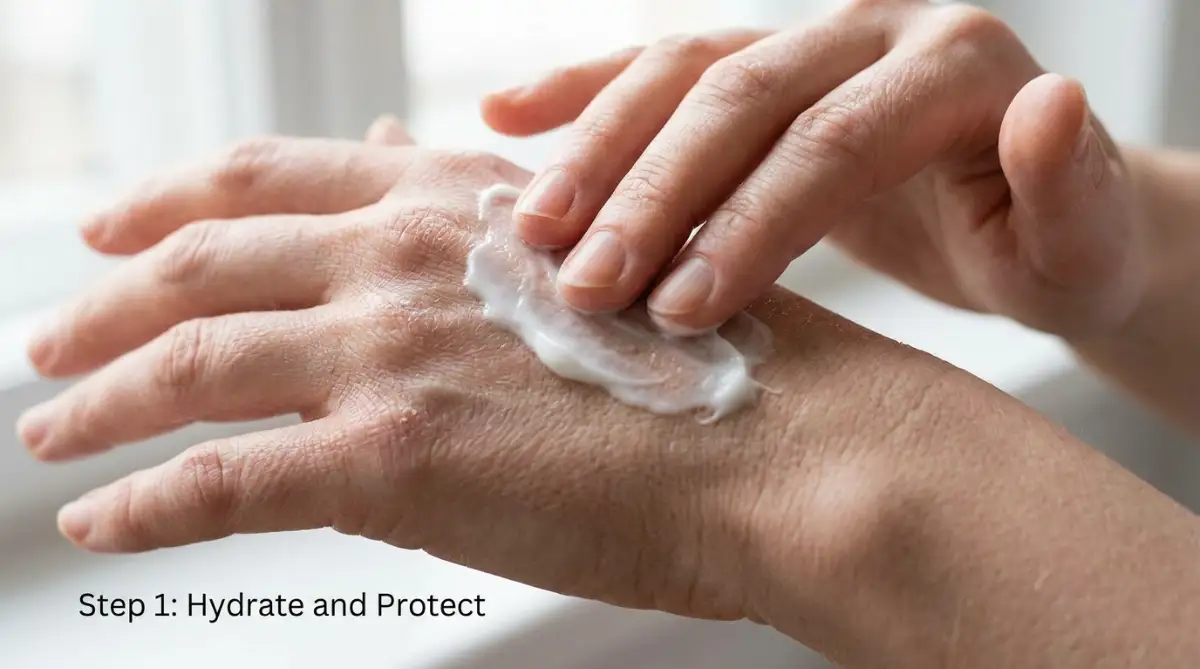
Your Guide to Identifying and Treating Sudden Dry Face Patches
To fix these dry spots, you must first understand why they appeared so suddenly. Once you find the source, you can use a step-by-step plan to bring back your skin's natural glow.
Step 1: Identify the Secret Cause Behind Your Sudden Dryness
Sudden dry patches do not just appear without a reason. Your skin is reacting to an internal or external change.
Let us look at the most common reasons why your face might suddenly feel like a desert.
A Sudden Shift in the Weather
Your skin loves consistency. When the temperature drops overnight or dry winds start blowing, the air sucks the moisture right out of your skin.
This is very common when seasons change, especially when you turn on home heating systems. Indoor heaters create very dry air, which dries out your face while you sleep.
A Damaged Skin Barrier
Think of your skin barrier as a protective brick wall. The cells are the bricks, and natural lipids or oils are the mortar holding them together.
If you use harsh soaps, strong acne treatments, or anti-aging ingredients like retinol too often, you wash away that mortar. Once the mortar is gone, moisture escapes easily, and external irritants can enter, causing sudden dry spots.
Contact Dermatitis and Allergic Reactions
Have you started using a new laundry detergent, a new shampoo, or a different face cream recently? Sometimes, your skin does not like a specific ingredient, such as synthetic perfume or preservatives.
This irritation is called contact dermatitis. It often shows up as a sudden, itchy, and red patch of dry skin exactly where the product touched your face.
The Hidden Danger of Hard Water
The water coming out of your shower head might be the silent culprit. Hard water contains high levels of minerals like calcium and magnesium.
These minerals can bond with your daily cleanser, leaving a thin residue on your face. This residue clogs pores, strips natural oils, and leaves your skin feeling tight and flaky after every wash.
Step 2: Simplify and Reset Your Daily Skincare Routine
When your face is irritated and dry, less is always more. You need to stop experimenting and give your skin a safe space to heal.
Stop All Active Ingredients Immediately
The moment you notice flaky spots, put away your exfoliating acids, salicylic acid washes, and retinol creams. These ingredients are great for healthy skin, but they act like salt on a wound when your skin barrier is broken.
Keep your skincare routine limited to three basic steps: wash, moisturize, and protect. Stick to this simple routine for at least two weeks before slowly introducing other products.
Switch to a Gentle, Non-Foaming Cleanser
Many foaming face washes use harsh chemicals called sulfates to create bubbles. These bubbles strip away the natural protective oils of your skin.
Instead, look for a mild, creamy cleanser that is soap-free and fragrance-free. When you wash, use your clean fingertips and light, circular motions without applying heavy pressure.
Use Lukewarm Water and Dry with Care
Hot water feels relaxing, but it melts away the natural lipids that keep your skin soft. Always wash your face with lukewarm or cool water.
When you are done, do not rub your face with a rough cotton towel. Gently pat your skin with a soft, clean microfiber towel, leaving it slightly damp.
Step 3: Rebuild and Lock In Your Skin's Moisture Barrier
Applying just any cream will not solve the problem. You need to use the right combination of moisture-binding ingredients to fix the damage.
Understand the Moisture Trio
To heal dry patches, your skin needs three types of ingredients working together.
- Humectants (The Water Attractors): Ingredients like glycerin and hyaluronic acid act like tiny sponges. They pull water from the air and deep skin layers into your dry surface cells.
- Emollients (The Skin Smoothers): Ingredients like ceramides and squalane fill in the microscopic cracks between your dry skin cells, making the surface feel smooth again.
- Occlusives (The Moisture Shields): Ingredients like petrolatum or shea butter create a safe, protective layer on top of your skin. This layer prevents water from evaporating into the dry air.
Apply Moisturizer on Damp Skin
This is a simple trick that makes a massive difference. Do not wait for your face to dry completely after washing.
Apply your rich moisturizer within 60 seconds of washing while your face is still damp. This traps the surface water in your skin, helping the dry patches heal much faster.
Look for Ceramide-Rich Formulas
Ceramides are natural lipids that make up a huge part of your skin barrier. When you have dry patches, your skin's ceramide levels are usually very low.
Using a cream that contains ceramides helps rebuild the broken "mortar" in your skin wall. This strengthens your skin against dry weather and future irritation.
Common Mistakes That Make Dry Patches Worse
When trying to fix a skin issue quickly, it is easy to make mistakes that delay your recovery.
Knowing what not to do is just as important as knowing what to do.
Mistake 1: Peeling Off Flaky Skin with Your Fingers
It can be incredibly tempting to peel off loose, flaky skin. However, pulling at these flakes can tear healthy skin cells that are still attached underneath.
This leaves raw, open spots that can bleed, scar, or get infected. Let the dead skin fall off naturally as you moisturize.
Mistake 2: Changing Your Products Every Single Day
If a moisturizer does not fix your dry patches in 24 hours, do not throw it away. Skin cells take about 28 days to renew.
Giving up on a safe product too quickly and trying something new every day will only confuse and irritate your skin more. Give your skin at least a week of consistent care to show signs of healing.
Mistake 3: Skipping Sunscreen Because of Dryness
Some people avoid sunscreen because they feel it makes their dry spots look chalky or white. However, UV rays from the sun damage the skin barrier and slow down the healing process.
Choose a gentle, mineral-based sunscreen containing zinc oxide, which also helps soothe irritated skin.
When to Seek Professional Help from a Doctor
Most sudden dry patches disappear with gentle care, but sometimes they require medical attention.
It is important to know when a simple home routine is not enough.
Signs of Medical Conditions Like Eczema or Psoriasis
If your dry patches are extremely red, itchy, and spread to other parts of your body, you might be dealing with a medical condition.
Eczema often causes intensely itchy, scaly patches in the bends of your elbows, knees, or on your face.
Psoriasis can cause thick, silvery scales that do not improve with normal moisturizers. A doctor can prescribe targeted creams to manage these conditions safely.
Signs of Bacterial or Fungal Infections
If you notice yellow crusting, oozing, or if the dry spots become warm and painful to touch, your skin barrier may have let in bacteria.
Fungal infections can also cause ring-shaped dry patches that itch constantly. In these cases, you will need a proper diagnosis and prescription creams from a certified dermatologist.
Quick Reference Guide: Dry Face Patches at a Glance
Potential Cause Common Symptoms Quick Fix Sudden Cold Weather Tight skin, fine dry lines, uniform flakiness Use a humidifier and apply a thick occlusive cream Over-Exfoliation Burning sensation, redness, shiny but dry skin Stop all acids and use ceramide-based creams Product Allergy Itchy, red, defined patches on contact areas Stop the new product and apply pure petroleum jelly Hard Water Damage Film on skin, dryness immediately after washingUse a shower water filter and wash with lukewarm water
Frequently Asked Questions About Sudden Dry Face Patches
Can stress cause sudden dry patches on my face?
Yes, high stress levels release a hormone called cortisol in your body. Cortisol can weaken your skinβs natural barrier and lower its ability to hold onto moisture, leading to sudden dryness and sensitivity.
How long does it take for a dry patch to heal?
With a gentle, simplified skincare routine and proper hydration, mild dry patches usually start to improve within 3 to 7 days. Deeper damage to your skin barrier can take up to 3 to 4 weeks to heal completely.
Can I put Vaseline on dry patches on my face?
Yes, pure petrolatum (Vaseline) is safe for most dry patches. It acts as an excellent occlusive layer that seals in moisture and protects the raw skin while it repairs itself.
Why is my face dry only in certain spots?
Your face has different densities of oil glands. Areas like the cheeks and around the mouth have fewer oil glands than your forehead and nose, making them much more prone to sudden dry patches.
Does drinking water cure dry skin patches?
Drinking water is important for your body's overall health, but it cannot cure dry skin patches on its own. You must treat dry patches from the outside by using moisturizers that repair the broken skin barrier.
Practical Takeaways to Keep Your Skin Glowing and Soft
Having sudden dry patches on your face can feel frustrating, but it is a temporary issue that you can fix.
Listen to your skin and give it a break from complex routines. Focus on washing gently, keeping your skin damp, and applying rich, nourishing creams with ceramides.
By treating your skin with gentle care, you will help it heal and bring back its natural, soft, and radiant glow.
Keep your routine simple, be patient, and let your skin heal itself at its own natural pace.
Advanced Secrets to Shield and Heal Your Skin from Within
Healing sudden dry patches on your face requires looking beyond basic face creams. If you want to restore your smooth skin, you need to understand how your environment, daily habits, and body work together. By adopting advanced skincare strategies, you can turn dry, flaky areas into healthy, glowing skin.
According to the American Academy of Dermatology's advice on dry skin, keeping your skin hydrated requires a mixture of environmental control and targeted ingredients. When your skin barrier is compromised, even a light breeze can cause irritation. This makes it essential to use techniques that actively defend your skin against sudden changes.
Step 4: Harness the Power of Humidification and Skin Flooding
Many people think applying a thick layer of moisturizer is enough to cure dry patches. However, if your skin is extremely dry, the cream may just sit on top of dead skin cells without absorbing. To fix this, you should try an advanced technique called skin flooding.
Think of dry skin like a hard, dried-out kitchen sponge. If you pour a thick cream onto a hard sponge, the cream does not soak in easily. But if you soak the sponge in water first, it softens up and absorbs everything immediately. This is exactly how skin flooding works for your face.
To start this process, keep a gentle, alcohol-free face mist or a hydrating toner nearby. After washing your face, mist your skin three to four times while it is still wet. While your skin is damp, apply a thin layer of hyaluronic acid serum to bind the water molecules to your skin cells.
Immediately follow this with a ceramide cream to lock all that moisture inside. This layering technique prevents the air from drying out your skin while you get ready. Doing this twice a day can make sudden dry patches disappear much faster than using cream alone.
Another key trick is controlling the moisture in your bedroom air. When you sleep, your skin goes into repair mode, but dry indoor air can steal that moisture. Placing a small cool-mist humidifier next to your bed can keep the air moist and stop dry patches from forming overnight.
Step 5: Adjust Your Diet and Manage Stress Triggers
Skincare is not just about what you put on your face. What you put inside your body is just as important for maintaining a strong skin barrier. If your diet lacks healthy fats, your skin cannot produce the natural oils it needs to stay smooth.
Try adding foods rich in omega-3 fatty acids to your meals, such as walnuts, flaxseeds, and fatty fish. These healthy fats help strengthen your skin cells from the inside out. They act like a natural shield, keeping moisture locked inside your skin layers.
At the same time, keep an eye on your daily caffeine and alcohol intake. Both of these drinks act as diuretics, which means they remove water from your body. If you drink three cups of coffee a day, make sure to drink an extra glass of water for each cup to stay balanced.
Mental stress is another major trigger for sudden dry patches. When you are highly stressed, your body releases a hormone called cortisol, which breaks down the skin's barrier. If you are constantly worrying about complex life issues, your skin will show the results.
You can also try simple stress-relief habits like daily breathing exercises or taking short walks in nature. Even ten minutes of quiet time can lower your heart rate and calm your nervous system. When your mind relaxes, your skin's natural healing process speeds up.
Maintaining Long-Term Balance to Prevent Future Dry Patches
Once your dry patches heal, you must take steps to keep your skin balanced. This means adjusting your skincare routine as the seasons change throughout the year. Do not wait for dry patches to return before you start taking care of your skin barrier.
Watch your skin closely every morning. If you notice a tiny spot of tightness, immediately apply an extra layer of moisturizer. Taking early action is the best way to prevent a small dry spot from turning into a painful, peeling patch.
You should also clean your makeup brushes at least once a week. Dirty brushes can carry old product, bacteria, and dust that irritate sensitive skin. Washing them with a gentle baby shampoo keeps your face safe from unwanted reactions.
Finally, change your pillowcases every few days. Cotton pillowcases can absorb your face creams and accumulate sweat and oil over time. Switching to a silk or satin pillowcase can reduce friction on your face and help keep your skin hydrated while you sleep.
How Environmental Shifts Interact with Your Face
Your skin constantly interacts with the air around you. In high humidity, your skin easily draws moisture from the environment. However, when you enter a air-conditioned room, the dry air starts pulling moisture out of your skin cells.
This process is called transepidermal water loss. It is the scientific term for water evaporating from your skin into the air. When this happens too quickly, your skin cells shrink, crack, and turn into those annoying dry patches.
To fight this, you need to create a physical block on your skin. Using a skin cream containing squalane or jojoba oil mimics your natural sebum. This trick fools your skin into thinking it has enough oil, stopping the evaporation process immediately.
If you work in an office with strong air conditioning, keep a small bottle of facial oil at your desk. Gently patting a single drop of oil over your cheeks in the afternoon can keep your skin protected all day. This simple habit prevents dry air from ruining your morning skincare efforts.

Critical Pitfalls: Five Mistakes That Keep Your Face Flaky and Red
When dry patches suddenly appear, it is natural to feel desperate for a quick solution. However, this desperation often leads to major mistakes that prolong your suffering. Let us look at five common mistakes you should avoid to protect your skin from long-term damage.
1. Relying Entirely on Hot Water during Showers
Taking a steaming hot shower after a long day feels incredible. However, hot water strips away the natural lipid barrier of your facial skin [1]. When you wash your face with hot water, you wash away the very oils that keep your skin from drying out [1].
This stripping effect leaves your skin completely unprotected against the dry air outside the bathroom. It causes your skin to tighten immediately, leading to more flakiness and redness over time. Always wash your face with lukewarm or cool water instead.
Lukewarm water is gentle enough to clean away dirt without melting your skin's protective oils. It helps keep your skin barrier intact so your moisturizer can do its job. Make this simple switch to see a major improvement in your skin's comfort level.
2. Using Heavily Fragranced Facial Products
Many skincare products contain synthetic perfumes to make them smell like roses or lavender. While this smells nice, artificial fragrance is one of the leading causes of skin allergies. It triggers micro-inflammation deep within your skin, causing dry, red patches to flare up.
Even if your skin did not react to perfumes in the past, a damaged skin barrier makes you much more sensitive. The fragrance molecules can enter the deeper layers of your skin through the tiny cracks in your dry patches. This causes continuous itching and prevents the skin from healing.
Always read the labels on your cleansers and creams before buying them. Look for terms like "fragrance-free" or "sensitive skin approved". Avoid products that list "parfum" or "fragrance" high up on their ingredient list to keep your skin safe.
3. Masking the Dry Patches with Thick Makeup Without Prep
It is completely understandable to want to hide dry, red patches with makeup before going out. However, heavy foundations often contain drying alcohols and silicones that make the problem worse. The makeup clings to the loose flakes, highlighting the texture and blocking air from reaching the skin.
When you apply powder or matte foundation over a dry patch, it sucks out whatever moisture is left in the skin cells. This causes the patch to become even drier and more irritated by the end of the day. It can also lead to painful peeling when you try to wash the makeup off.
If you must wear makeup, apply a rich moisturizer first and let it sink in for ten minutes. Use a lightweight, hydrating tint instead of a heavy matte foundation. This allows your skin to breathe and heal while still giving you some light coverage.
4. Drinking Water Expecting It to Heal Surface-Level Cracks Instantly
Drinking plenty of water is great for your kidney health, but it does not directly hydrate your outer skin layer. The water you drink goes to your internal organs first, and very little reaches the surface of your face. You cannot fix a damaged skin barrier simply by drinking eight glasses of water a day.
You must address the issue directly from the outside by using creams that physically seal the cracks. Do not ignore your local skincare routine just because you are staying hydrated internally. Both internal and external hydration must work together to heal your face.
5. Over-Applying Thick Oils That Trap Bacteria
Some people believe that pure coconut oil or olive oil is the perfect natural cure for dry skin. However, raw oils can be very heavy and comedogenic, which means they clog your pores. While they create a barrier, they do not actually contain water, so your skin remains dry underneath.
Additionally, heavy oils can trap bacteria and dead skin cells, leading to painful breakouts and tiny white bumps called milia. It is much better to use a formulated cream that contains both water-binding humectants and skin-smoothing lipids. Formulated creams are designed to absorb deeply without leaving a greasy, suffocating film.
If you really want to use an oil, choose a lightweight one like rosehip seed oil or squalane oil. Apply only one or two drops after your water-based moisturizer has fully absorbed. This adds a light protective shield without clogging your pores or causing acne.
Your Path Forward to Smooth, Nourished, and Happy Skin
Taking control of your skin health is a journey that requires time and patience. Sudden dry patches can be alarming, but they are simply your skin's way of asking for a little extra love and attention. With the right knowledge and a gentle touch, you can easily guide your skin back to its smooth, radiant self.
Remember that your skin is a living, breathing organ that changes with your environment, diet, and stress levels. Be kind to yourself as you make these adjustments. Do not expect perfect results overnight, but celebrate the small improvements you see each day as your skin barrier grows stronger.
To make things easy, here is a quick daily checklist you can start using today:
- Wash with cool or lukewarm water using a soap-free, non-foaming cream cleanser.
- Apply your hydrating toner or mist onto your face while it is still damp.
- Layer a ceramide-rich moisturizer immediately over the damp skin to lock in water.
- Turn on a cool-mist humidifier in your bedroom before you go to sleep.
- Avoid touching or peeling any loose flakes on your cheeks or nose.
- Eat healthy fats like walnuts and fish to nourish your skin from the inside.
Start your new gentle routine tonight. Put away the harsh scrubs, grab a mild cleanser, and keep your skin damp before applying your moisturizer. Your skin has an amazing ability to heal itself when you give it the right tools and support.
If you stay consistent and avoid the common pitfalls, those dry patches will soon become a thing of the past. You deserve to feel comfortable and confident in your own skin. Take that first step tonight, and let your journey to healthy, glowing skin begin.
Medical Disclaimer:
The information provided in this article is for educational and informational purposes only and should not be taken as professional medical advice, diagnosis, or treatment. Always seek the advice of a qualified dermatologist or other licensed healthcare provider with any questions you may have regarding a medical skin condition.