The Hidden Strain of Fighting Backyard Bugs Alone
I still remember standing in my tiny backyard a few years back, staring at my ruined tomato plants with a heavy heart. I had spent weeks digging in the dirt, carrying heavy water buckets every morning, and waiting eagerly for red tomatoes. Instead, overnight, hungry caterpillars had chewed through half of my hard work and left my garden completely naked.
My hands were shaking as I tried picking off those giant green worms one by one, feeling totally defeated. I tried spraying chemical pest sprays from my local store, but they only scorched my soft leaves and killed off the friendly ladybugs. It felt like I was running on a treadmill and losing a painful war against hungry insects inside my own yard.
That frustrating afternoon forced me to stop doing what everyone else was doing and search for a smarter way to grow food.
+-------------------------------------------------------+
       |           THE CYCLE OF GARDEN PEST FRUSTRATION        |
       +-------------------------------------------------------+
       |  1. Unprotected Crops ---> Attract Harmful Insects     |
       |  2. Chemical Sprays  ---> Damage Foliage & Good Bugs  |
       |  3. Soil Degradation ---> Weaker Plants & More Pests  |
       |  4. Smart Companions ---> Balanced Natural Ecosystem  |
       +-------------------------------------------------------+
When you watch your garden get eaten alive by pests, the frustration goes way beyond just losing a few vegetables. You pour your valuable time, money, and personal energy into building a small sanctuary right behind your home. Watching leafminers, aphids, and beetles ruin that peaceful space creates real anxiety and leaves you feeling helpless.
Many home gardeners waste hundreds of dollars on store-bought bottles that promise quick answers but deliver empty results. These harsh chemicals often ruin the natural balance of your backyard dirt and kill off tiny earthworms that make soil healthy. You end up stuck in an expensive cycle where you buy more sprays while your garden grows weaker every season.
The constant stress of checking your leaf bottoms every morning takes all the simple joy out of backyard gardening. You begin viewing your yard as a place of endless chores and frustrating disappointments rather than a place to relax. Breaking free from this draining loop requires stepping back and letting natural plant friendships do the heavy lifting for you.
What Companion Planting Actually Means for Your Garden
Companion planting is the practice of growing specific plants side-by-side to help each other thrive. Instead of planting long, empty rows of a single crop, you mix different vegetables, herbs, and flowers together. This smart arrangement mirrors how wild plants grow naturally in fields without human help or chemical sprays.
Nature never grows a single crop in a sterile, perfect line without surrounding plant life. When you plant huge patches of just one crop, hungry insects can spot their favorite meal from blocks away. Mixing up your garden bed confuses these bug pests and creates a safer home for your edible plants.
+-----------------------------------------------------------------------+
|                 HOW COMPANION PLANTING SHIELDS YOUR GARDEN            |
+-----------------------------------------------------------------------+
|  [Strong Herbal Scents]  --> Masks vulnerable crop smells             |
|  [Bright Trap Flowers]   --> Lures bad bugs away from main vegetables  |
|  [Nectar-Rich Blooms]    --> Attracts predatory ladybugs & wasps     |
|  [Deep Root Networks]   --> Enhances soil nutrients & water flow      |
+-----------------------------------------------------------------------+
By placing compatible plants near each other, you tap into centuries of natural gardening wisdom. Some companion pairings work by producing strong herbal smells that mask the scent of your favorite leafy vegetables. Other plants possess deep root structures that loosen hard dirt while releasing natural substances that keep bad soil worms away.
This natural technique transforms your garden space into a self-sustaining system that manages bug populations automatically. You spend far less time battling pests and much more time enjoying fresh, home-grown harvests. It is an affordable and natural way to build lasting plant health without relying on store-bought bottled sprays.
How Companion Plantings Mask Scents and Confuse Hungry Pests
Most harmful garden bugs do not hunt for food using their eyes. Instead, they rely on extremely sensitive smell receptors to find target plants across long distances. A pest insect flies through the air searching for the distinct aroma of juicy tomato stems or cabbage leaves.
When you plant strong-smelling herbs directly next to your vegetables, you create a natural olfactory barrier. The sharp, aromatic oils from plants like basil, rosemary, and garlic overload the senses of flying pests. The bad bugs simply fly right past your garden bed because they cannot locate their target food source.
+---------------------------------------------------------+
       |             SCENT-MASKING MECHANISM IN ACTION           |
       +---------------------------------------------------------+
       |  [Tomato Smell]  +  [Strong Basil Essential Oils]       |
       |                           |                             |
       |                           v                             |
       |             [Confused Pest Flight Path]                 |
       |                           |                             |
       |                           v                             |
       |             [Bypasses Your Garden Safely]               |
       +---------------------------------------------------------+
Garlic and onions are world-class companions for protecting sweet peppers and delicate leafy greens like lettuce. Their pungent sulfur smells blanket the growing area and drive away destructive sap-sucking aphids. You can easily intersperse garlic bulbs throughout your vegetable beds to form a silent perimeter guard.
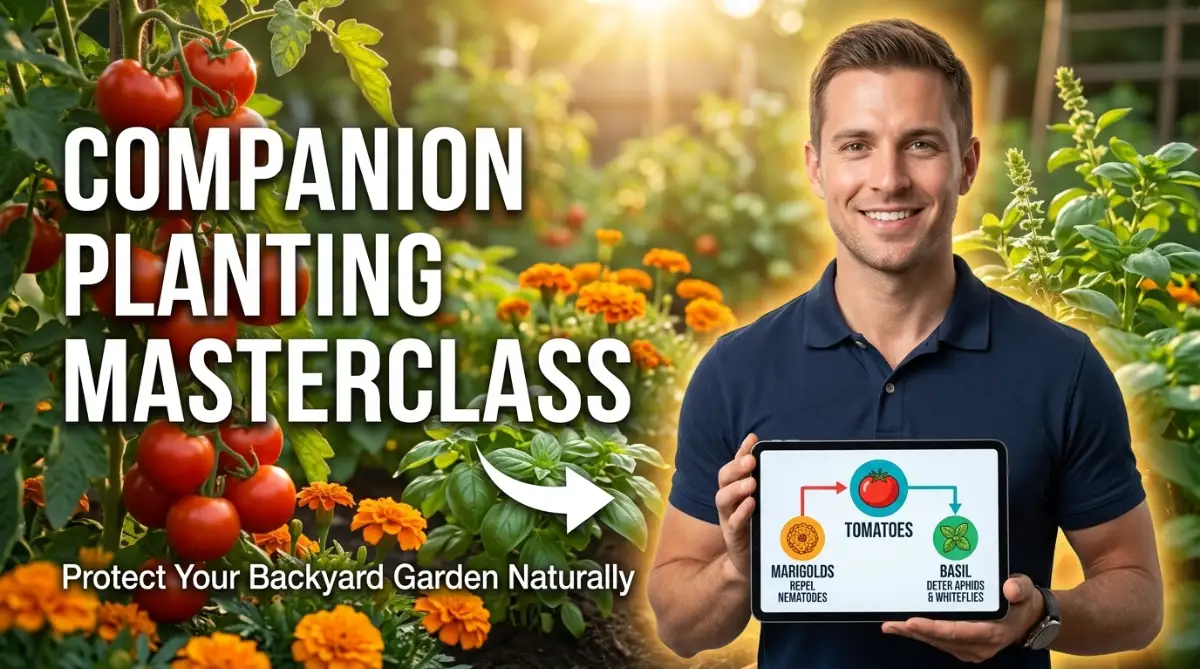
Sweet basil works wonders when paired right next to leafy tomato stems. Basil releases strong aromatic oils that mask tomato foliage smells while actively driving away damaging thrips and hornworms. Planting these two together not only protects your crop yield but also improves overall fruit flavor right in the dirt.
Mint family plants offer fantastic defense against cabbage moths and flea beetles that destroy kale and broccoli. Because mint can spread quickly, growing it in small pots tucked near your vegetables keeps pests away safely. This simple setup keeps your garden smelling amazing while locking out hungry invaders naturally.
Attracting Beneficial Insects to Fight Your Garden Battles
Not every bug that visits your backyard garden is coming to cause trouble or eat your leaves. In fact, many predatory insects act as hardworking garden allies that hunt down harmful pests all day long. Ladybugs, hoverflies, green lacewings, and tiny parasitic wasps eat thousands of destructive aphids and soft caterpillars every week.
+-----------------------------------------------------------------------+
|                    NATURAL PREDATOR ATTRACTION GUIDE                  |
+-----------------------------------------------------------------------+
|  Beneficial Ally    | Favorite Food Source    | Attractor Plant       |
+---------------------+-------------------------+-----------------------+
|  Ladybugs           | Aphids & Mites          | Sweet Alyssum, Dill   |
|  Hoverflies         | Soft Scale & Thrips     | Yarrow, Fennel        |
|  Parasitic Wasps    | Tomato Hornworms        | Cilantro, Cosmos      |
|  Green Lacewings    | Mealybugs & Caterpillars| Buckwheat, Marigolds  |
+-----------------------------------------------------------------------+
To keep these helpful predator bugs living in your garden, you must provide them with constant food sources. Predatory bugs feed on sweet flower nectar and pollen during various stages of their life cycles. Planting tiny, open-faced flowers throughout your vegetable patches ensures these useful hunters never leave your yard.
Sweet alyssum is an incredible low-growing flower that acts like a carpet of sweet-smelling nectar. Its tiny white blooms attract beneficial hoverflies whose hungry larvae feast heavily on soft-bodied aphid colonies. Tucking sweet alyssum along raised bed borders provides continuous protection for your greens throughout hot summer months.
Dill and cilantro allowed to go to flower produce wide umbrella-shaped flower heads that tiny beneficial wasps love. These microscopic wasps do not sting humans, but they actively hunt down destructive tomato hornworms and caterpillars. Allowing a few herbs to bloom creates a natural defense shield over your entire vegetable plot.
Sacrificial Trap Crops: Drawing Pests Away from Main Harvests
Trap cropping is a clever companion strategy where you deliberately plant a pest favorite plant nearby. The targeted pests flock straight to this sacrificial trap crop, leaving your main edible vegetables completely untouched. It is like setting up an all-you-can-eat buffet on the outer edge of your vegetable garden space.
+-------------------------------------------------------+
       |             TRAP CROPPING STRATEGY OUTLINE            |
       +-------------------------------------------------------+
       |  [Sacrificial Crop: Nasturtiums]                      |
       |            |                                          |
       |            +---> Attracts Aphids Away From             |
       |            |                                          |
       |  [Main Crop: Vulnerable Squash & Cucumbers]           |
       +-------------------------------------------------------+
Nasturtiums are famous across the gardening world as one of the absolute best trap crops you can grow. Aphids and flea beetles find nasturtium leaves irresistibly delicious and will quickly cluster all over them. By growing nasturtiums a few feet away from your main crops, you pull pests away from your harvest easily.
My Personal Garden Mistake: Early in my gardening journey, I panicked when my sacrificial nasturtium leaves became covered in dark black aphids. I immediately pulled the flower plants out of the dirt and threw them in the trash bin. Within three short days, those hungry aphids moved straight over to my prized zucchini plants because their target distraction was gone. I learned that day to leave trap crops alone so they can keep holding pest attention safely away from my food.
Radishes can also serve as a high-value trap crop when planted along the edges of spinach and squash beds. Flea beetles love chewing tiny holes in radish greens, preferring them over delicate squash leaves or spinach. The radishes absorb all the bug damage while your primary produce plants grow strong and unbothered.
If you want to see a practical visual breakdown of how trap crops work in small spaces, check out this helpful video guide below.
To help you visualize how to arrange these natural deterrents in your own backyard, I highly recommend watching this step-by-step video guide: It walks you through practical bed setups so you can plant your living shields with total confidence!
Companion Plant Combinations That Work Against Specific Pests
Knowing which specific plants work well together helps you design an effective garden layout quickly. Below is a practical reference guide showing proven plant combinations that target common backyard garden bugs.
Using these functional pairings allows you to solve specific pest issues without guessing or using harsh chemical solutions. You can easily interplant these companions in raised beds, container setups, or traditional in-ground garden rows.
Common Companion Planting Myths vs Practical Garden Realities
There is plenty of confusing advice online regarding how companion plants interact in small home garden spaces. Separating proven natural science from common internet myths will save you time, effort, and money.
- Myth: Planting marigolds will instantly eliminate every single bug inside your garden bed overnight.
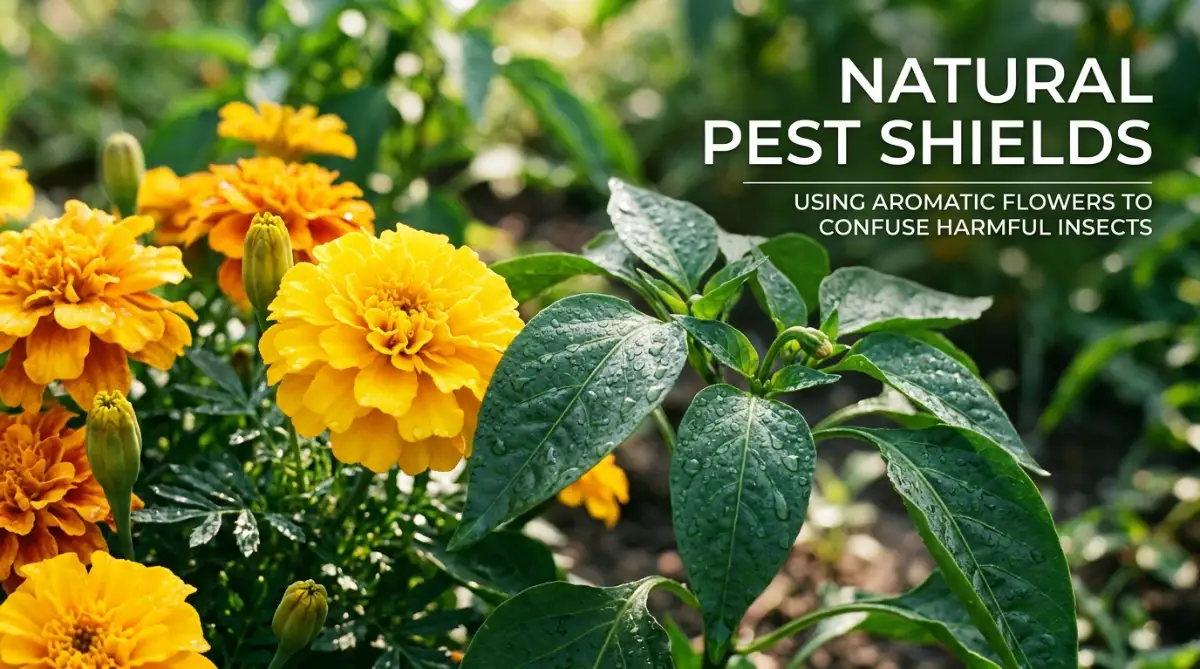
- Reality: Marigolds release natural root compounds that control bad soil nematodes, but they work gradually over time rather than instantly.
+-------------------------------------------------------+
       |             MYTH VS REALITY: REPELLENT FLOWERS        |
       +-------------------------------------------------------+
       |  MYTH:     Flowers instantly kill all garden pests.   |
       |  REALITY:  Flowers disrupt pest search patterns &     |
       |            attract beneficial insect predators.       |
       +-------------------------------------------------------+
- Myth: You can crowd dozens of companion herbs tightly around a vegetable stem without issues.
- Reality: Vegetables still require adequate air circulation, sunlight access, and soil nutrients to grow full crops.
- Myth: Companion planting completely replaces the need to care for soil health or water properly.
- Reality: Healthy, well-fed plants naturally resist insect damage far better than stressed, thirsty crops do.
Keeping these practical realities in mind ensures you build a balanced garden setup that works smoothly all season.
Step-by-Step Layout Strategies for Small Backyard Beds
Setting up a companion-planted garden bed does not require complex mathematical layouts or expensive professional plans. You can easily organize your growing space by following simple spatial strategies that maximize plant health.
+-----------------------------------------------------------------------+
|                    RAISED BED COMPANION LAYOUT PATTERN                |
+-----------------------------------------------------------------------+
|  [Border: Sweet Alyssum]    [Border: Chives]    [Border: Marigolds]   |
|                                                                       |
|  [Center Crop: Tomatoes]    [Herb: Basil]       [Center Crop: Peppers]|
|                                                                       |
|  [Trap: Nasturtiums]        [Radishes]          [Border: Garlic]      |
+-----------------------------------------------------------------------+
1. Plant Strong Aromatic Herbs Along Outer Borders
Place low-growing herbs like chives, thyme, and oregano around the outer perimeter of your raised garden beds. These border herbs form a fragrant perimeter guard that deters crawling insects before they reach your center vegetables.
2. Mix Tall Canopy Plants with Shade-Loving Low Companions
Position tall crops like staked tomatoes or climbing pole beans along the north side of your garden bed. Plant shade-tolerant companion herbs like cilantro or parsley underneath their leafy canopy to optimize vertical growing space.
3. Intersperse Bright Flowering Companions Every Few Feet
Never relegate your flowers to separate flower beds on the far side of your yard space. Tuck individual marigold, cosmos, or alyssum plants directly into vacant spots between your vegetable stems.
4. Rotate Plant Families Every Single Season
Even with smart companion planting, avoid growing the same plant families in identical dirt spots year after year. Rotating your crop locations prevents soil-borne pests and diseases from building up populations in your soil.
Simple Biological Mechanisms Behind Companion Planting
To fully understand why these plant pairings protect your garden, it helps to review the biological mechanisms at play. Plants are far from passive organic objects sitting silently in garden dirt beds. They constantly release volatile organic compounds into the surrounding air and natural chemical root exudates into the soil.
BIOLOGICAL DEFENSE MECHANISMS:
1. Volatile Organic Compounds (Air Scent Shields)
2. Root Exudates (Soil-Borne Nematode Repellents)
3. Micro-Climate Alterations (Moisture Retention)
4. Visual Camouflage (Breaking Up Leaf Patterns)
When a harmful insect lands on a host plant, it reads sensory signals on leaf surfaces before taking a bite. Aromatic companion herbs confuse these chemical receptors, tricking pests into thinking the plant is inedible. Meanwhile, underground root exudates from marigolds act as natural repellents against destructive microscopic root nematodes.
Furthermore, mixing different plant leaf shapes breaks up single-crop visual patterns that flying insects look for from above. A pest fly searching for a flat field of green cabbage leaves gets disoriented by nearby feathery dill stems. This combination of sensory confusion, predator attraction, and root defense creates a complete natural protection system.
Key Takeaways for Building Your Pest-Resistant Backyard Garden
- Embrace Biodiversity: Ditch boring single-crop rows and mix vegetables, herbs, and flowers together naturally inside every garden bed.
- Leverage Scent Shields: Use strong aromatic herbs like basil, garlic, mint, and chives to hide tasty vegetable leaves from flying pests.
- Invite Good Predators: Grow nectar-rich blooms like alyssum, dill, and yarrow to feed helpful ladybugs, hoverflies, and tiny wasps.
- Set Up Sacrificial Traps: Plant nasturtiums and radishes away from main crops to pull hungry bugs away from valuable produce.
- Focus on Soil and Spacing: Maintain proper spatial distance and air circulation so plants remain strong enough to withstand minor bug visits.
Starting small with just two or three proven companion pairings will transform your backyard growing experience this season. You will spend less money on bottled chemical sprays, reduce your daily garden stress, and enjoy healthier vegetables straight from your yard.
Expert Techniques for Long-Term Companion Success
Getting started with companion planting is only the first step toward a thriving garden bed. To maintain strong plant defense systems over many growing seasons, you need advanced strategies that go beyond basic pairings.
Mastering these expert methods allows you to build a self-sustaining backyard ecosystem that handles pests automatically. You will save valuable time while growing cleaner vegetables with far less effort.
+-------------------------------------------------------+
       |           ADVANCED COMPANION PLANTING SYSTEM          |
       +-------------------------------------------------------+
       |  1. Staggered Planting  ---> Continuous Flower Blooms  |
       |  2. Root Stratification ---> Maximize Soil Moisture    |
       |  3. Microbe Synergy     ---> Natural Disease Defense   |
       |  4. Seasonal Rotation   ---> Disrupt Bug Egg Cycles    |
       +-------------------------------------------------------+
Staggering Harvest Timelines to Maintain Continuous Insect Shields
One common mistake home gardeners make is planting all their herbs and flowers on the exact same day. When your marigolds or alyssum finish blooming all at once, your vegetable defenses suddenly vanish.
To avoid this dangerous vulnerability, you should practice succession planting with your companion flowers. Plant a fresh cluster of marigold seeds or sweet alyssum every two weeks throughout late spring.
This simple routine guarantees that your garden bed always features fresh, nectar-rich flowers in full bloom. Flying pest predators will always find food, keeping them stationed right beside your vulnerable vegetable foliage.
According to research from the University of Minnesota Extension, keeping continuous floral blooms throughout the season significantly boosts beneficial predator bug populations right in your backyard.
Managing Underground Root Depth Stratification
Companion planting works just as hard beneath the dirt surface as it does above ground. Plants feed at different soil levels depending on whether they possess shallow, medium, or deep taproot systems.
Grouping deep-rooted vegetables with shallow-rooted companion herbs prevents hidden root wars underground. Deep taproots draw up mineral nutrients from deep down, while shallow companions protect surface moisture from hot sun.
+-----------------------------------------------------------------------+
|                   UNDERGROUND ROOT STRATIFICATION                     |
+-----------------------------------------------------------------------+
|  Top Soil Layer (0-4 inches)   --> Sweet Alyssum, Thyme, Chives      |
|  Mid Soil Layer (4-12 inches)  --> Onions, Bush Beans, Peppers        |
|  Deep Soil Layer (12+ inches)  --> Tomatoes, Carrots, Taproot Herbs   |
+-----------------------------------------------------------------------+
For instance, pairing deep-rooted tomatoes with shallow-rooted sweet basil creates ideal underground harmony. The basil roots stay near the top surface, while tomato taproots stretch deep into subsoil layers.
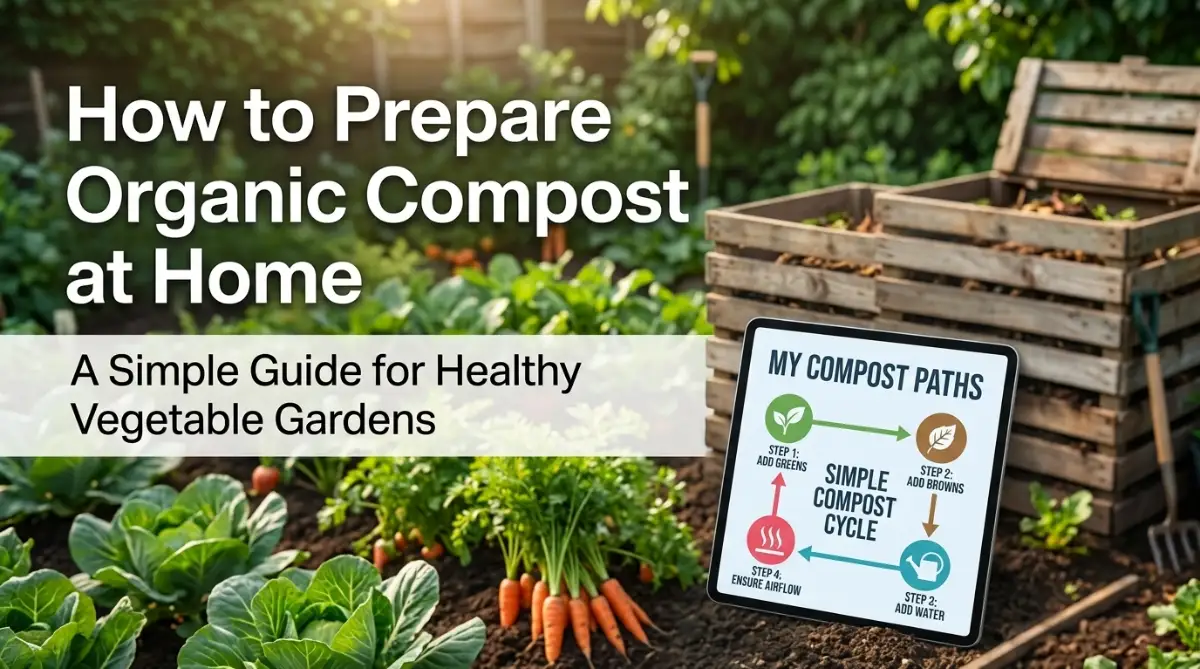
This natural spatial layout ensures neither plant steals water or essential soil minerals from its green neighbor. If you want to feed all your root systems naturally, learning how to make rich organic compost at home for healthy vegetables offers the perfect soil solution.
Building Multi-Layered Defense Lines Around High-Value Crops
Instead of placing a single herb next to a vegetable, create a three-tier defense system. Combine strong aromatic scents, bright trap decoys, and groundcover plants around your delicate crops.
Place a tall sacrificial trap crop like nasturtium on the outer windward edge of your garden. Next, plant a fragrant shield of garlic or chives directly behind the sacrificial flower line.
Finally, fill empty dirt patches near crop stems with low carpet flowers like sweet alyssum. Flying pests must cross three distinct biological barriers before ever reaching your prized produce.
+-------------------------------------------------------+
       |             THREE-TIERED DEFENSE PERIMETER            |
       +-------------------------------------------------------+
       |  Outer Perimeter  --> Nasturtium Decoys (Trap)        |
       |  Middle Shield    --> Garlic & Chives (Aromatics)     |
       |  Inner Surface    --> Sweet Alyssum (Living Mulch)    |
       |  Center Target    --> Tender Cabbage & Squash Crops   |
       +-------------------------------------------------------+
Strengthening Soil Microbe Networks with Companion Exudates
Healthy plant roots release natural sugars and chemical compounds directly into surrounding soil particles. Certain companion combinations support friendly soil bacteria that fight off destructive root fungus.
Legumes like pole beans and sweet peas naturally capture air nitrogen and store it inside root nodules. Planting beans alongside heavy-feeding crops like corn or squash supplies free nitrogen to neighboring roots.
Insights from the USDA Natural Resources Conservation Service highlight how diverse root systems build resilient, living soil biology that naturally wards off unwanted pests. Rich soil microbes protect root systems from harmful underground pests and environmental stress.
Documenting your garden bed layouts with photos helps you track which plant combinations work best each season. If you love tracking your backyard journey, taking weekly photos of your garden beds allows us to spot which plant pairings thrive best together and fine-tune our organic shields season after season.
You can easily keep a simple physical notebook or digital garden log to record your seasonal harvests, helping you replicate your best pest-repelling layouts next spring.Keeping accurate garden visual records ensures you never forget successful crop arrangements from past years.

Heartbreaking Pitfalls That Can Ruin Your Companion Beds
While companion planting offers amazing benefits, making simple mistakes can quickly ruin your hard work. Many gardeners fall into common traps that weaken their crops and invite unwanted bug infestations.
Understanding these pitfalls keeps your garden beds healthy, balanced, and productive throughout the entire growing season.
+-------------------------------------------------------+
       |             COMMON COMPANION PLANTING ERRORS          |
       +-------------------------------------------------------+
       |  [Overcrowding]  ---> Poor Airflow & Fungus Outbreaks  |
       |  [Bad Pairings]  ---> Inhibited Growth & Stunted Crops  |
       |  [Pesticide Use] ---> Kills Beneficial Predator Bugs   |
       |  [Neglect]       ---> Unmonitored Pest Population Boom |
       +-------------------------------------------------------+
Cramming Plants Too Tightly and Smothering Air Circulation
When home gardeners discover the benefits of plant pairings, they often plant seeds far too close together. Squeezing dozens of herbs around a tomato plant creates dense jungles with zero air movement.
When leaves stay wet without breeze ventilation, fungal diseases like powdery mildew spread across your whole garden. Pests also love hiding inside dense, dark leaf clusters where predatory birds cannot reach them.
Always respect mature plant sizes listed on seed packets when designing your companion layout. Proper spacing ensures every leaf gets sunlight while leaving enough room for natural air movement.
Pairing Incompatible Plants That Fight for Survival
Not every plant in your backyard garden gets along with its nearby neighbors. Certain plant pairs produce root chemicals or growth habits that actively harm surrounding crops.
- Fennel releases root exudates that stun or kill almost every common vegetable planted near it.
- Onions and Garlic stop beans and peas from fixing helpful soil nitrogen properly.
- Potatoes and Tomatoes share the exact same blight diseases and should never sit together in dirt.
- Mint spreads invasive underground runner roots that quickly choke out delicate lettuce crops.
+-----------------------------------------------------------------------+
|                    INCOMPATIBLE CROP PAIRINGS TO AVOID                |
+-----------------------------------------------------------------------+
|  Primary Crop         | Incompatible Partner | Problem Caused         |
+-----------------------+----------------------+------------------------+
|  Bush Beans & Peas    | Onions, Garlic       | Stunts Nitrogen Fix    |
|  Tomatoes & Peppers   | Fennel, Potatoes     | Shares Blight Disease  |
|  Cabbage & Broccoli   | Strawberries         | Attracts Mutual Pests  |
|  Carrots & Lettuce    | Invasive Mint        | Chokes Root Systems    |
+-----------------------+----------------------+------------------------+
Planting bad combinations leads to weak plants that invite swarms of hungry insects. Double-checking plant compatibility before digging holes prevents costly mistakes and saves your garden harvest.
Relying on Synthetic Sprays While Trying Natural Companioning
Using chemical bug sprays inside a companion garden bed completely ruins the natural system you built. Chemical insecticides do not distinguish between destructive pests and hardworking ladybugs or predator wasps.
Spraying synthetic chemicals wipes out your army of beneficial insect allies in a single afternoon. Once the chemical spray fades, bad bugs return rapidly because no natural predators remain to stop them.
If pest outbreaks occur, stick strictly to gentle organic methods like hand-picking worms or spraying insecticidal soap. Protecting your beneficial insect population ensures your garden defenses stay strong all summer long.
Maintaining outdoor spaces requires attention to both plant life and surrounding garden structures like sheds or patio lights.If you want to enhance your overall backyard environment, focusing on proper raised bed construction and healthy organic soil preparation ensures your growing space stays safe, productive, and beautiful.
Treating Companion Flowers as Set-and-Forget Solutions
Placing companion plants in your dirt beds does not mean you can ignore basic garden maintenance. Flowers cannot replace proper watering habits, rich compost feeding, or regular weeding routines.
A weak, thirsty plant releases stress signals that attract hungry insects from miles away regardless of companion flowers. Companion strategies work best when paired with clean soil management and consistent moisture levels.
Inspect leaf undersides twice every week so you spot minor pest visits before they turn into huge invasions. Catching bug issues early lets your companion shield handle the rest without major crop losses.
If you want to map out your growing beds before digging in, sketching a simple grid on paper helps us organize proper plant spacing and sunlight access without any guesswork.
Your Action-Oriented Path to a Pest-Free Backyard Harvest
Building a self-defending companion garden is one of the most rewarding journeys any home gardener can take. Instead of waging constant chemical wars against nature, you align your backyard with natural ecological forces.
By mixing aromatic herbs, sacrificial trap flowers, and beneficial bug attractors, you create a self-balancing food haven. Your vegetables grow stronger, your soil gets richer, and your garden stress completely vanishes over time.
YOUR WEEKEND GARDEN ACTION CHECKLIST:
[ ] Map out raised bed spaces and identify main vegetable crops.
[ ] Purchase high-value companion seeds (Marigolds, Basil, Alyssum).
[ ] Plant aromatic herb borders around bed edges.
[ ] Add trap crops near garden corners away from tender produce.
[ ] Put away synthetic bug sprays and let predator insects work.
Research documented by the Royal Horticultural Society confirms that nurturing natural predator habitats lowers overall insect damage significantly over time.Taking small steps today builds an organic defense system that protects your yard for years to come.
I know how frustrating it feels to see your hard work eaten by garden bugs, but you do not need chemical sprays to win. Try tucking just three companion flowers into your vegetable beds this weekend and watch what happens naturally. I promise that watching friendly ladybugs protect your plants will make you fall in love with gardening all over again!
Common Questions About Backyard Companion Planting
How long does it take for companion plants to start repelling garden pests?
Aromatic companion herbs start releasing pest-masking scents into the air as soon as their leaves grow strong. However, flower companions take a few weeks to produce nectar blooms that attract helpful predatory insects.
Can I practice companion planting inside small container pots?
Yes, you can easily grow companion pairings together inside large garden containers or patio tubs. Pairing a single tomato plant with one basil herb and a small marigold flower works fantastically in standard ten-gallon pots.
Do companion plants eliminate one hundred percent of all garden bugs?
No natural method eliminates every single insect, nor should it, because gardens need a healthy balance of bug life. Companion planting keeps pest populations low enough that your vegetables stay healthy without needing chemical sprays.
What is the single best flower to plant everywhere in a vegetable garden?
French marigolds are widely considered the ultimate companion flower for home vegetable garden beds. They repel damaging soil nematodes, deter flying pests above ground, and attract helpful pollinators to your crops.
Do companion herbs affect the taste of nearby growing vegetables?
Growing aromatic herbs like sweet basil beside tomatoes improves overall plant health without souring crop flavor. Healthy, stress-free plants protected by companion herbs naturally produce sweeter, more delicious home-grown vegetables.
Disclaimer:
This blog post is provided purely for informational and educational purposes to help home gardeners learn natural backyard pest management methods. The gardening techniques, plant combinations, and companion strategies discussed here reflect standard organic gardening principles and personal experiences. Individual results may vary based on local weather conditions, soil quality, regional pest pressures, and specific plant varieties used.
When handling plants, organic soil amendments, or garden tools, always follow proper safety precautions. Be aware that certain herbs or plants (such as mint or fennel) may be toxic to pets if consumed in large quantities. This content contains no commercial promotions, paid product endorsements, or affiliate recommendations. Always consult local agricultural extension services for specific regional advice on severe pest infestations.