Why Your Central Air Conditioner Is Leaking Water and How to Fix It
There is nothing worse on a hot July afternoon than walking past your hallway closet and hearing that dreaded squish under your socks. Last summer, I stood in two inches of cold water leaking right out of my indoor AC unit. My heart sank because I thought my entire cooling system was dead and I would be out $1,500 for an emergency repair.
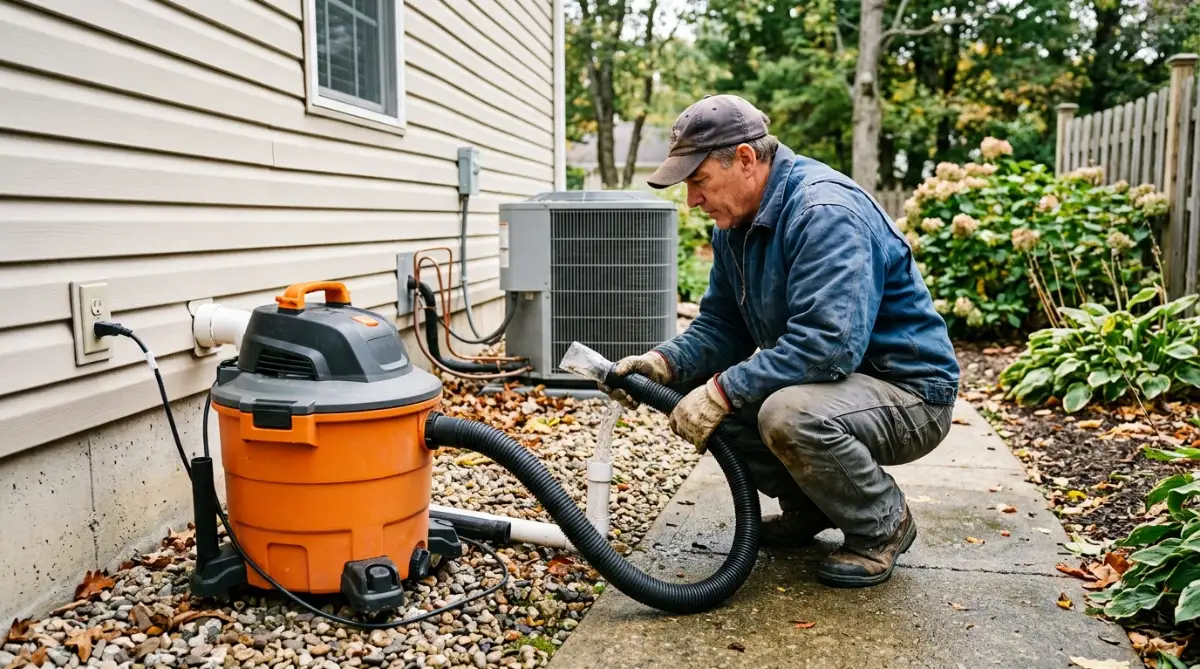
Luckily, before panicking and calling a repair tech, I grabbed my shop vacuum, hooked it to the drain pipe outside, and pulled out a giant clump of built-up sludge. The leak stopped in less than twenty minutes, and it cost me zero dollars. If your air conditioner is currently pooling water on your floor or dripping through the ceiling, take a deep breath. In this guide, I will show you how to find the leak, clear the blockage yourself, and know the exact moment when you actually need a pro.
⚡ QUICK SUMMARY: FIXING A LEAKING AC IN 3 MINUTES
• The #1 Culprit (90% of cases): A clogged PVC condensate line filled with algae, dirt, and mold.
• The Fast DIY Fix: Hook a wet/dry shop vacuum to the outdoor drain pipe for 2 minutes to suck out the clog instantly.
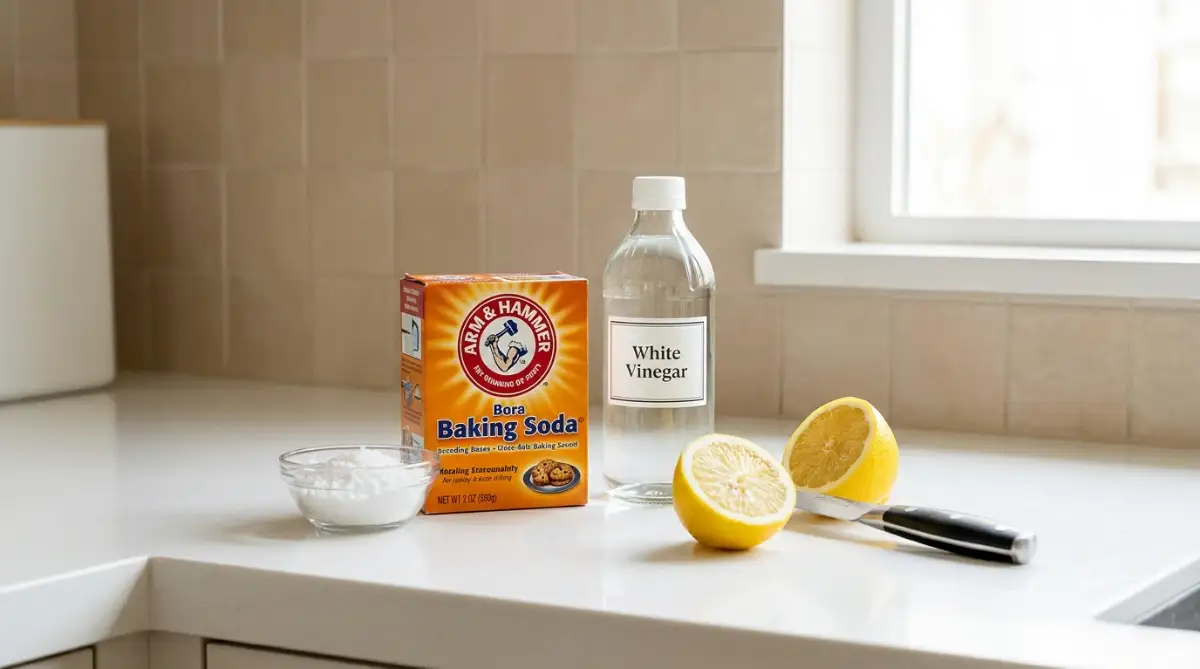
• The Golden Maintenance Rule: Pour 1 cup of regular white vinegar down the cleanout line every 60 days (never use harsh bleach!).
• When to Call a Pro: If your coils are covered in thick frost or ice, you likely have low refrigerant, which requires a licensed tech.
What You'll Need Before You Start
Gather these basics before inspecting your unit:
- A flashlight
- A wet/dry shop vacuum (or a regular vacuum with a hose attachment)
- A small bottle brush or pipe cleaner
- White vinegar
- A bucket or towel for any water already pooling
- Rubber gloves
Most of this is already sitting in your garage or under your sink.
Step 1: Check the Condensate Drain Line for a Clog
This is, by far, the most common reason central air conditioners leak.
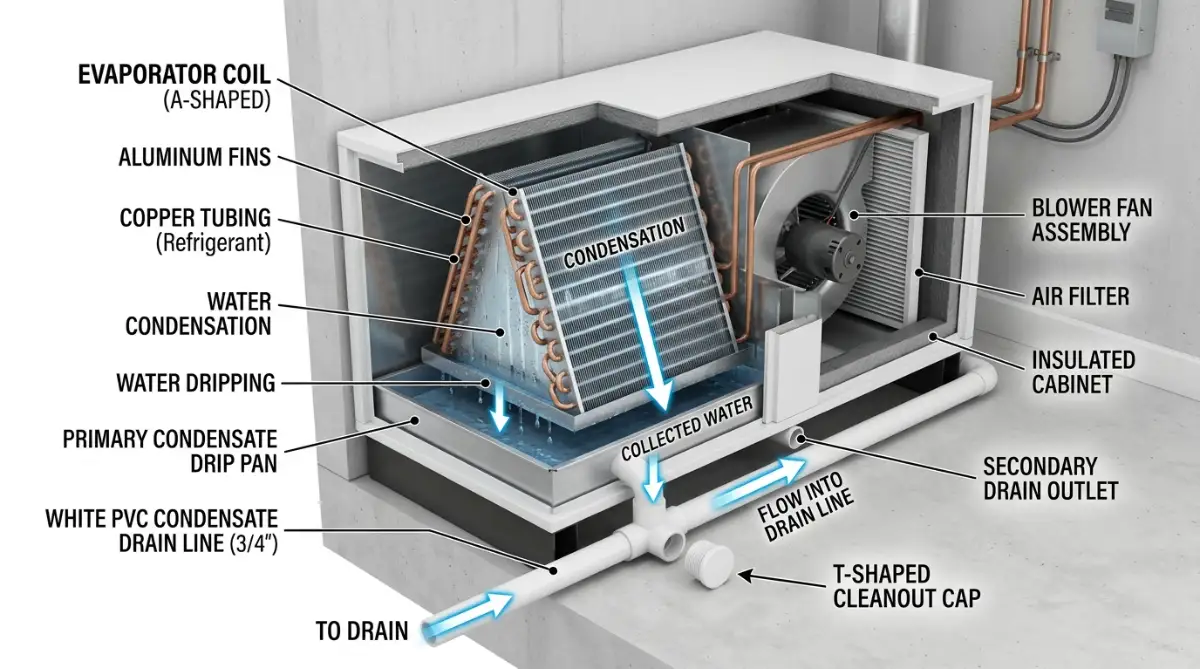
Locate your condensate drain line, usually a white PVC pipe running from your indoor unit to an exterior wall or a nearby floor drain. Algae, dust, and mold build up inside this pipe over time, similar to how a shower drain slowly clogs with hair and soap scum.
(Vinegar works wonders for clearing condensate lines just like it does for your kitchen plumbing. If you're dealing with slow kitchen pipes too, learn how to clear a clogged kitchen sink drain using natural ingredients without calling a plumber.)
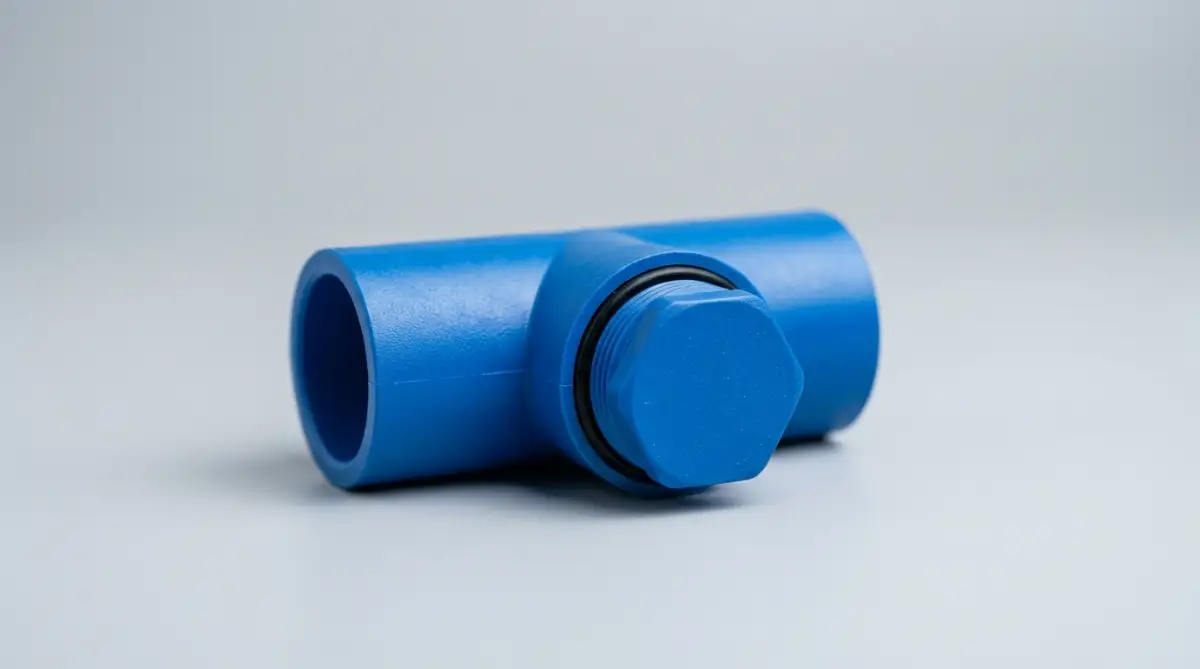
Walk over to your indoor air handler and look for a small, white T-shaped PVC pipe with a loose slip cap on top. Pull that cap off and shine your flashlight inside. If you see murky standing water filling that pipe all the way to the top, you just found your problem. The water cannot escape outside, so it is spilling over the sides of your drip pan and straight onto your floor.
Step 2: Clear the Clog Using Vacuum Suction
Here is a quick lesson I learned the hard way after dealing with my first leak: never pour harsh bleach down your drain line because it can ruin rubber seals over time. Stick to plain white vinegar once every month or two, which naturally breaks down buildup without damaging any of your PVC pipes.
Once you've confirmed a clog, clearing it is more straightforward than people expect.
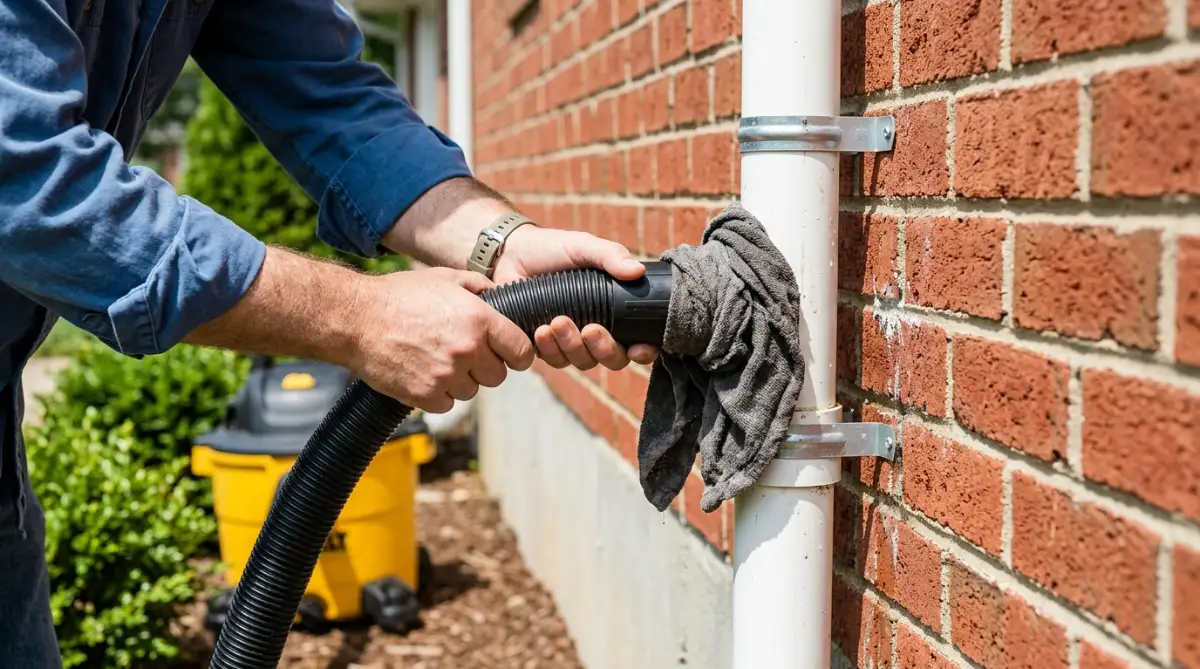
Attach your wet/dry shop vacuum to the exterior end of the condensate line, the point where the pipe usually exits your house. Seal the connection with a rag if needed to keep suction strong.
Run the vacuum for two to three minutes. This pulls built-up algae, dust, and sludge out from the opposite end, the same way clearing a straw works better by sucking from one end rather than pushing from the other.
Want to see exactly how to clear your blocked drain line step-by-step? Watch this quick video walkthrough to see how simple it is to do yourself before reading the drain pan checks below!
After vacuuming, flush the line with a mixture of white vinegar and water poured into the cleanout access point. Vinegar is mildly acidic, which helps break down algae and mineral buildup without damaging the pipe, similar to how it works on a clogged kitchen drain. (you can also use the pantry trick that clears a clogged sink without chemicals for your indoor plumbing).
Step 3: Inspect the Drain Pan for Cracks or Rust
If the line itself is clear but you're still seeing water, the problem might be the drain pan instead.
Locate the drain pan beneath your indoor unit and check it with a flashlight for rust spots, hairline cracks, or pooling water that isn't draining properly even with a clear line.
Older metal pans are especially prone to rusting through over time, since they sit in a consistently damp environment. A cracked or rusted pan needs replacing, since no amount of cleaning fixes a structural leak.
If your pan looks intact but water still collects, check that it's sitting level. A pan that's tilted even slightly can cause water to pool and overflow on one side instead of draining out normally.
This combination of checks, the drain line, the suction clearing, and the pan inspection, covers the vast majority of central AC leaks. If you've gone through all three and the leak continues, that usually points to a deeper issue with the system itself, which we'll cover in the next part of this guide.
When Clearing the Drain Line Isn't Enough: Deeper Causes Worth Checking
If you've cleared the condensate line and checked the drain pan but water is still showing up, the cause is usually one of three things hiding a bit further inside the system.
AC Water Leak Troubleshooting Matrix
Cause 1: A Dirty Air Filter Choking Airflow
This one surprises a lot of people, since a dirty filter doesn't seem connected to water leaking from the unit.
When your filter gets choked with pet hair and dust, warm room air cannot pass through to warm up the icy cold coils. Because of that lack of airflow, the moisture on the coil turns into solid sheets of ice. When your AC cycles off, that whole block of ice melts in minutes, sending a giant tidal wave of water into your drain pan that quickly overflows.
Check your filter and replace it if it's visibly gray, dusty, or clogged. Most home filters need swapping every one to three months, depending on your home and whether you have pets.
Cause 2: Low Refrigerant Causing the Coil to Freeze
A similar freezing problem happens with low refrigerant, though this one needs a slightly different fix.
When refrigerant levels drop, the evaporator coil runs colder than normal, again leading to ice buildup. When that ice melts, it overwhelms your drainage system the same way a frozen filter problem does.
Signs of low refrigerant include weaker cooling, longer running cycles, and visible frost on the coil or refrigerant lines. Unlike the drain line and filter, this one usually needs a licensed technician, since refrigerant handling requires specific tools and certification.
This is the one situation in this guide where calling a professional makes sense. Refrigerant systems are sealed, and adding refrigerant yourself without proper equipment can be unsafe and ineffective.
Cause 3: A Disconnected or Improperly Sloped Drain Line
Sometimes the line itself isn't clogged. It's just not set up to drain properly in the first place.
Condensate lines need a slight downward slope to let gravity pull water out. If a line was installed flat, or if it's shifted over time, water pools instead of flowing.
Look along the length of the line for any sagging sections or spots where it dips upward before continuing down. A line that doesn't consistently slope downward needs adjusting or resecuring, often with simple pipe supports.

Keeping Your AC Leak-Free for the Long Run
Fixing today's leak feels great. Avoiding next season's leak feels even better.
A few simple habits keep your drainage system working the way it should:
- Pour a cup of distilled vinegar down the condensate line every one to two months to prevent algae buildup before it becomes a clog
- Replace your air filter on schedule, since this single habit prevents both airflow problems and the coil freezing issue
- Schedule a yearly checkup with an HVAC technician before peak cooling season, since a quick inspection catches small issues before they become leaks
- Keep the area around your indoor unit clear of stored boxes or clutter, so you can spot early leaks before they spread
(Looking for more fast DIY plumbing solutions? Check out how to fix a running toilet in under fifteen minutes without a plumber to save on service calls.)
Think of your condensate line the way you'd think about a kitchen drain. A little regular maintenance prevents the kind of buildup that causes a sudden, messy backup later.
Keep in mind that a standard central AC pulls up to 20 gallons of water out of humid air every single day during peak summer. If you live in a sticky, humid area like Florida or Texas, that dark, warm drain line turns into a prime breeding ground for pink slime and algae fast. In humid regions, I recommend cleaning the drain line every month instead of waiting for a seasonal check.
If you've had a leak once, mark a reminder for vinegar flushes every couple of months. This single habit prevents the majority of repeat clogs.
Five Mistakes That Make an AC Leak Worse
A leaking AC is stressful enough without making it harder to fix. Watch out for these common missteps.
Mistake 1: Running the AC While Ignoring an Active Leak
Continuing to run your system while water is actively pooling risks spreading water damage to your ceiling, walls, or flooring.
If you notice a leak, switch your system to fan-only mode or turn it off until you've identified the cause.
Mistake 2: Using Bleach Instead of Vinegar in the Drain Line
Bleach seems like a stronger cleaning choice, but it can be too harsh for certain PVC fittings and rubber seals over repeated use.
White vinegar handles algae and buildup effectively without the same risk to your system's components.
Mistake 3: Skipping the Air Filter Check Entirely
A lot of people focus only on the drain line and never think to check the filter. A dirty filter is one of the leading hidden causes of coil freezing and sudden leaks.
This is a thirty-second check that's easy to overlook.
Mistake 4: Assuming Every Leak Needs a Technician
On the flip side, some people assume any leak means an expensive service call. Most leaks come from a clogged line or dirty filter, both of which you can handle yourself.
Save the technician call for refrigerant issues or anything involving the coil and electrical components directly.
Just like tackling an AC drip yourself, simple bathroom leaks don't always need an expensive expert—follow this no plumber needed the 15-minute running toilet fix anyone can do guide to handle running toilets with ease.
Mistake 5: Forgetting to Recheck After a Temporary Fix
Clearing a clog once doesn't guarantee it won't return. Skipping routine maintenance afterward often means the same clog rebuilds within a few months.
A quick vinegar flush every couple of months keeps this from becoming a repeating problem.
💡 Common AC Drainage Myths vs. Reality
- ❌ Myth: Pouring straight bleach down the line is the best way to kill clogs forever.
- ✅ Fact: Bleach eats away at plastic fittings, dries out rubber gasket seals, and produces harsh fumes inside your home ductwork. Plain distilled white vinegar kills algae just as well without ruining your pipes.
- ❌ Myth: If the AC is cooling fine, water pooling outside the pan isn't an emergency.
- ✅ Fact: Water can quietly rot subflooring, ruin drywall ceilings below, and breed toxic black mold inside walls within 48 hours. Always fix standing water right away.
- ❌ Myth: Low refrigerant just needs a quick "top off" every summer.
- ✅ Fact: AC units are sealed closed-loop systems. They never consume refrigerant. If it is low, you have an active pinhole leak that must be brazed and sealed by a certified technician.
You Can Handle This Without the Stress
A leaking AC looks alarming at first, but it's rarely the disaster it feels like in the moment.
Most leaks trace back to a clogged drain line, a dirty filter, or a small maintenance gap, all things you can check and fix yourself with basic tools and a little patience.
You don't need to live with a bucket under your unit or worry every time you hear the system kick on. A little routine care keeps your AC running the way it's supposed to, season after season.
Check your filter and flush your drain line today. Your floors, your ceiling, and your peace of mind will thank you.
Frequently Asked Questions About Leaking Air Conditioners
1. Is it safe to keep running my AC if water is actively leaking?
No, you should switch your thermostat to "OFF" right away. Running a leaking AC risks burning out electrical wiring, overflowing water into your ceilings, or burning out your blower motor if water splashes inside the cabinet.
2. How much vinegar should I pour down the AC drain line?
Pour one cup of regular distilled white vinegar down the cleanout T-pipe every 30 to 60 days during cooling season. Let it sit for 30 minutes before flushing it with a cup of warm water to keep algae from sticking.
3. Can I use compressed air or a wire coat hanger to unclog the drain?
Avoid shoving stiff metal hangers into PVC pipes because you can crack internal elbow joints. A wet/dry shop vacuum on the outside drain line is much safer and pulls clogs out without pushing them deeper.
4. Why is my AC leaking water through the ceiling?
If your air handler is in the attic, your primary drain line is clogged and your secondary emergency overflow pan is either rusted or missing a float switch. Shut the unit off immediately to prevent ceiling drywall collapse.
5. How much does a professional HVAC tech charge to clear a drain line?
A standard HVAC service call to clear a blocked condensate drain line typically costs between $100 and $250. Doing it yourself with a wet/dry vac and white vinegar costs almost nothing.
Disclaimer:
The troubleshooting steps and maintenance suggestions in this article are intended for informational and educational purposes only. Working on central heating, ventilation, and air conditioning (HVAC) systems involves electrical components, high-voltage wiring, and mechanical parts that present risks of injury or property damage if handled improperly.
Before attempting any maintenance or repairs, please review the following safety guidelines:
- Electrical Hazard: Always turn off the power to your HVAC unit at both the thermostat and the main breaker (or the outdoor disconnect box) before inspecting, cleaning, or attempting any work. Water and electricity are a dangerous combination.
- Professional Intervention for Refrigerant: Issues related to refrigerant leaks or levels require specialized equipment and EPA certification. Do not attempt to measure, handle, or recharge refrigerant yourself; always hire a licensed HVAC professional for these tasks.
- Warranty Considerations: Some manufacturers require all maintenance and repairs to be performed by licensed technicians. Performing DIY repairs beyond basic filter replacements may void your equipment's warranty.
- Risk of Water Damage: If you are unsure of how to clear the drain line or suspect a major leak, running the system or attempting improper repairs can lead to extensive water damage to ceilings, walls, and flooring.
- Limitation of Liability: The author and publisher of this article assume no responsibility or liability for any personal injury, electrical shock, property damage, or system malfunction resulting from the use of the methods described. If you feel uncomfortable with any of these steps, please contact a professional HVAC technician.