The Hidden Struggles of Building a Safe Crypto Portfolio Today

You wake up at three in the morning and immediately grab your phone. Your screen displays bright red numbers, and your heart sinks into your chest. This is the daily reality for many people trying to navigate the complex world of digital assets.

The fear of waking up to a hacked network or a collapsed coin is exhausting. We want to build a better future for our families, but the path feels like a dangerous game of chance. Every day, regular people lose their hard-earned savings because they put all their faith in a single blockchain.

When that single network suffers a major outage or a security breach, their dreams of financial freedom disappear. The stress of not knowing if your digital assets are safe makes you question every decision you make. You want a clear, honest way to protect your money without feeling like you are gambling.

  • The Flood of Online Noise: Most social media channels are filled with self-proclaimed gurus who promote unsafe schemes for their own gain. This makes it incredibly hard to find honest, step-by-step guidance that actually protects your capital over time.
  • The Trap of Single-Chain Exposure: Putting all your funds into one popular blockchain leaves you completely open to system-wide failures and high transaction fees. When that network gets crowded, you are stuck with slow speeds and expensive fees.
  • Confusing Technical Jargon: Most educational resources are written in a way that feels impossible for the average person to understand. This confusion leads to simple mistakes, like sending funds to the wrong address or choosing the wrong storage options.
  • Loss of Sleep and Peace of Mind: The constant worry about market swings and network hacks ruins your quiet moments with family and friends. You deserve to invest with a sense of calm and confidence.
  • The Sensation of Feeling Lost: Trying to manage multiple wallets and keep track of different keys can make you feel completely overwhelmed. This mental fatigue often leads to giving up on your financial goals altogether.
  • Regret From Past Mistakes: Looking back at previous market drops can leave you feeling deeply insecure about your ability to make smart choices. We want to help you rebuild that confidence with a simple, secure approach.

A Simple Way to Split Risk Across Separate Blockchain Networks

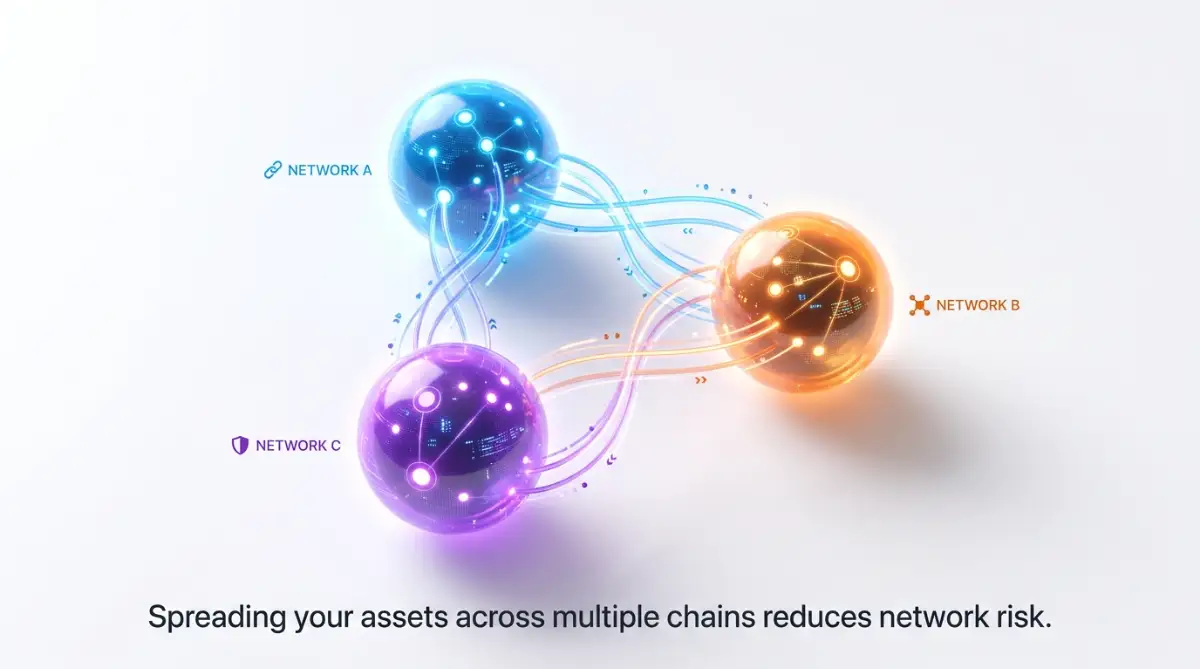
Let us talk about a practical approach to building multi-chain crypto portfolios that can stand the test of time. Think of your portfolio as a house that you want to build on a solid foundation. If you build the entire house on a single piece of land that is prone to earthquakes, you risk losing everything.

By spreading your foundation across different, independent plots of land, you ensure that a disaster in one area will not ruin your whole home. In the digital asset world, these different plots of land are distinct blockchain networks.

When you diversify across multiple chains, you protect yourself from the unique bugs or issues of any single system. Let us look at how you can do this step by step, using simple and logical methods.
Why Diverse Networks Keep Your Money Safer

Each blockchain operates like its own independent country with its own set of rules, security systems, and communities. If one country faces an economic challenge, the neighboring countries can still thrive and remain stable.

By holding assets on different networks, you reduce the impact of a technical glitch on any single chain. This simple method of splitting your assets is the cornerstone of professional risk management.

The Real Danger of Blockchain Outages

We have seen times when even the most popular networks went completely offline for hours at a time. During those hours, users could not move their funds or protect their positions.

Imagine needing to make an important move, but the system door is completely locked. By having a portion of your funds on a different, active network, you always maintain control over your financial choices.

Selecting Your Core Networks for Long-Term Safety

Now that we understand the value of spreading our assets, we need to choose which networks to trust. It is easy to get distracted by new, exciting platforms that promise instant riches.

However, long-term wealth is built on stability, security, and proven track records. We want to focus on networks that have survived tough times and have strong community support.

The Role of Ethereum as Your Anchor

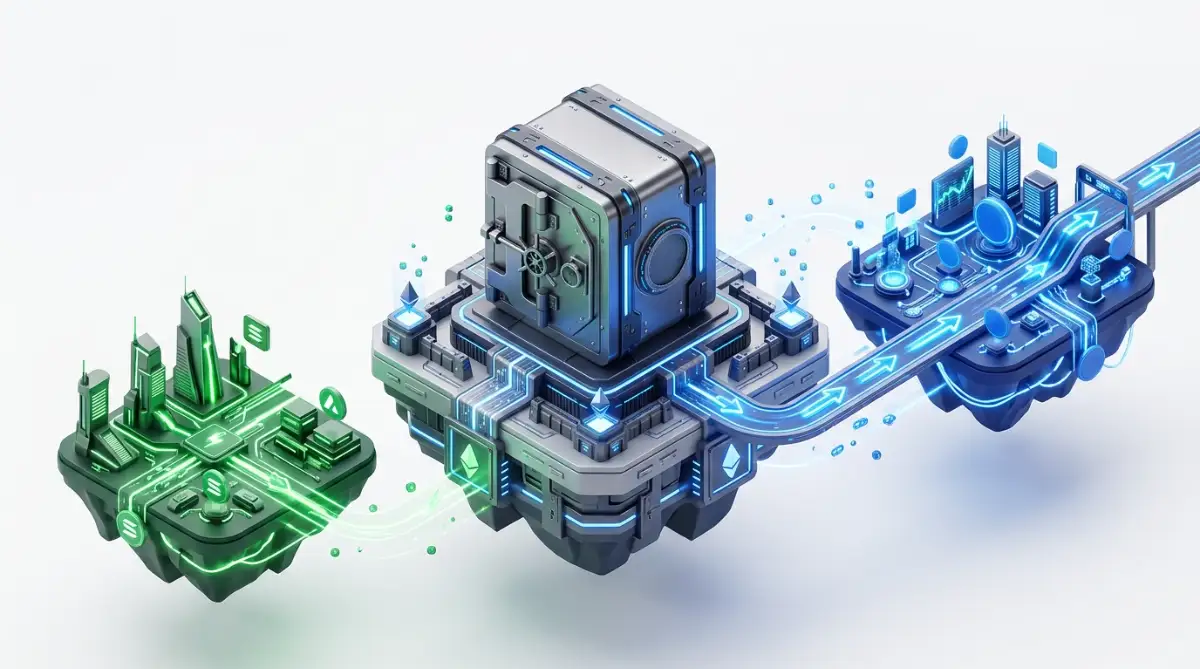
Ethereum is widely considered the oldest and most secure smart contract platform in the digital asset space. It has thousands of developers actively building on it and holds the largest amount of locked value.

While its transaction fees can sometimes be high, its security history makes it a great anchor for your core savings. Think of it as the secure vault in the basement of your financial house.

The Rise of Alternative Layer 1 Options

To balance the high fees of Ethereum, we can look at alternative Layer 1 networks like Solana. These networks are designed for high speed and very low transaction costs.

They allow you to move smaller amounts of money quickly without losing a large percentage to network fees. Having a portion of your wealth here ensures you can react quickly to new opportunities.

The Importance of Network Age and History

When selecting chains, always look at how long they have been operating without a major security breach. Newer networks might offer high speeds, but they have not been tested by market downturns.

We prefer to stick with networks that have been active for at least a few years. This history gives us a clearer picture of their security and stability.

Balancing Safety with Transaction Costs Using Layer 2 Networks

One of the biggest hurdles for regular investors is the cost of moving assets. If you only have a few hundred dollars to invest, paying twenty dollars in network fees is a painful loss.

This is where Layer 2 networks become incredibly useful for your portfolio strategy. They sit on top of the main networks to make transactions cheaper and faster while keeping the security of the main chain.

How Layer 2 Networks Keep Fees Low

Layer 2 networks work by bundling hundreds of transactions together into a single package. They then send this package to the main Ethereum chain to be saved forever.

This bundle method splits the expensive main network fee among hundreds of users, making it cost pennies for you. It allows you to build your multi-chain crypto portfolios without losing your gains to fees.

Keeping Your Assets Safe on Layer 2s

Because Layer 2 networks rely on the main chain for final security, they offer a great mix of safety and low cost. You do not have to worry about the Layer 2 network disappearing because your transaction data is securely written on the main chain.

This makes them a great place to keep assets that you might want to move or use more frequently.

Selecting the Right Layer 2 Platforms

There are several popular Layer 2 options available, such as Arbitrum and Optimism. Each has its own focus, but both offer high levels of security and deep liquidity.

Splitting a small portion of your wealth across these networks keeps your transaction costs low while maintaining a high level of safety.

Organizing Your Multi-Chain Asset Allocation

Knowing where to put your assets is only half the battle; you also need to decide how much to put in each place. A balanced allocation plan helps you stay calm when one specific market behaves wildly.

Let us look at a simple, three-tiered allocation model that you can use as a guide.

The Core Layer (Fifty Percent)

We recommend keeping half of your digital wealth in the most secure, battle-tested Layer 1 networks. This is your long-term storage that you do not plan to touch or move very often.

It sits quietly, growing slowly and securely over the years. This core layer protects your main capital from unexpected market shocks.

The Operational Layer (Thirty Percent)

The next thirty percent of your portfolio can live on top Layer 2 networks. This layer gives you the flexibility to adjust your holdings without paying high transaction fees.

If you need to swap one asset for another, you can do it here quickly and cheaply. It keeps your portfolio dynamic and responsive to your personal financial needs.

The Exploration Layer (Twenty Percent)

The final twenty percent can be placed on fast, alternative Layer 1 chains. This portion of your portfolio is dedicated to high-speed transactions and exploring newer decentralized applications.

It adds a touch of modern utility to your overall plan while keeping eighty percent of your wealth in highly secure zones.

Protecting Your Wealth with Secure Storage Methods

Your multi-chain plan is only as strong as your personal security setup. If you leave all your assets on a centralized website or exchange, you are not truly in control.

True ownership means holding your own private keys in a safe and private way. Let us look at how you can do this simply without feeling like a computer programmer.

The Rule of Private Keys

When you keep your digital assets on a regular exchange, the exchange owns the actual keys to those assets. If that exchange faces financial trouble, you could lose access to your money overnight.

Using your own non-custodial wallet means you hold the actual keys to your digital vault. This simple step changes you from a spectator into a true owner of your wealth.

Choosing the Right Hardware Wallet

A hardware wallet is a small physical device that keeps your private keys completely offline. It acts as a physical barrier between your computer and any potential online threats.

Even if your computer has a virus, your private keys remain safe inside the hardware device. It is a small, one-time investment that provides immense peace of mind for your long-term journey.

Keeping Your Recovery Phrase Safe

When you set up your own wallet, you will receive a list of twelve or twenty-four random words. This phrase is the only way to recover your assets if your physical device is lost or broken.

Never save this phrase on your phone, computer, or email. Write it down on a piece of paper and store it in a secure, fireproof place where only you can find it.

Practical Examples of Multi-Chain Portfolios in Action

Let us look at a few realistic examples of how different people can set up their portfolios. These scenarios show how you can adapt these ideas to fit your own lifestyle and comfort level.

The Conservative Long-Term Saver

Meet Sarah, a busy school teacher who wants to build a simple fund for her retirement. She does not have time to check charts every day, and she hates high risks.

Sarah keeps sixty percent of her assets in a secure cold storage wallet connected to Ethereum. She keeps thirty percent on Arbitrum to save on fees, and ten percent on Solana to learn about fast networks.

This simple setup allows her to sleep peacefully, knowing her core wealth is protected by the strongest network in the world.

The Active and Cost-Conscious Investor

Now meet David, a freelance designer who makes frequent, smaller contributions to his portfolio every month. Because his deposits are smaller, high transaction fees would eat up all his investment capital.

David keeps forty percent of his funds on Ethereum for long-term safety. He keeps forty percent on Optimism so he can make his monthly purchases with very low fees.

The remaining twenty percent sits on Solana, allowing him to explore decentralized finance tools without spending too much. This plan keeps his costs low while keeping his overall portfolio safe and balanced.

Avoiding Common Pitfalls in Multi-Chain Management

Managing assets across different networks can sometimes lead to confusion if you do not have a plan. Let us discuss a few common mistakes so you can avoid them completely.

Sending Funds to the Wrong Network

One of the most common errors is trying to send an asset directly from one chain to a different chain. For example, sending an asset directly from Ethereum to a Solana address can result in lost funds.

Always make sure you are using a trusted cross-chain bridge or a centralized exchange that supports both networks. Before moving a large amount, always send a very small test transaction to make sure everything works perfectly.

Overcomplicating Your Portfolio

It is easy to get excited and start opening wallets on ten different blockchain networks. This makes keeping track of your keys and balances an absolute nightmare.

We recommend starting with just two or three networks. Only add a new network when you have a clear, logical reason to do so and feel completely comfortable with your current setup.

Ignoring the Security of Bridges

Cross-chain bridges are tools that let you move assets from one blockchain to another. While they are very convenient, they can sometimes be targets for online hackers.

Try to avoid keeping your funds sitting inside a bridge platform for long periods. Use the bridge to move your assets to their final destination, and then store them safely in your private wallet.

Building a Consistent Investing Routine

The secret to building long-term wealth is not timing the market perfectly; it is consistency. By setting up a simple routine, you remove the emotional stress of trying to guess when prices are low.

The Power of Dollar-Cost Averaging

Dollar-cost averaging means investing a set amount of money at regular intervals, such as every week or every month. This approach helps average out the price swings of the market over time.

It takes the guesswork out of investing and helps you build your multi-chain crypto portfolios slowly and steadily. You no longer have to worry about buying at the perfect moment.

Tracking Your Assets Simply

When your assets are spread across multiple chains, it can be hard to see your total balance at a glance. You can use simple, free watchlists or privacy-focused tracking tools to view your entire portfolio in one place.

These tools do not require you to share your private keys; they simply let you type in your public addresses to show your totals. This keeps your tracking simple, clean, and completely safe.

Reviewing Your Plan Twice a Year

We recommend reviewing your asset allocation twice a year to see if your portfolio has drifted out of balance. If one network has grown very fast, it might now represent a larger percentage of your wealth than you planned.

You can gently move a portion of those gains back to your core networks to restore your original balance. This simple habit keeps your risk level exactly where you want it.

Your First Steps to a Safer Financial Future

Building a multi-chain portfolio does not have to happen in a single day. You can start small, take your time, and learn as you go.

Start with a Single Secure Step

Your very first step can be as simple as setting up a secure, non-custodial software wallet. Spend some time getting used to how it works and practice writing down your recovery phrase safely.

Once you feel confident, you can transfer a small amount of assets to this new wallet. This single action moves you away from relying on centralized platforms and starts your journey to true ownership.

Adding Your Second Network

When you are ready, you can explore adding a Layer 2 network to your wallet. Try moving a small amount of funds to experience the low fees and fast speeds firsthand.

This hands-on practice will show you how easy it is to manage your assets without losing money to expensive fees. It builds the practical skills you need to manage your wealth with confidence.

Staying Patient on the Journey

Remember that true wealth is built over years, not days or weeks. Do not let short-term market noise or daily price swings distract you from your long-term plan.

By spreading your risks across separate networks and keeping your private keys safe, you are building a stable financial foundation. You can look forward to the future with peace of mind, knowing your digital assets are safe, organized, and built to last.

Advanced Strategies to Maximize Your Multi-Chain Returns Safely

We now want to explore more advanced techniques to protect and grow your digital assets across different networks. Building on our basic foundation, we can take active steps to make our assets work harder for us.

When you learn the mechanics of decentralized networks, you gain a massive advantage over the average investor. You can easily find reliable resources on cryptocurrency safety on Forbes Advisor to better understand the risk models.

By taking a structured approach, you turn a highly speculative activity into a calm, systematic process. Let us look at how you can manage this without exposing your family's savings to unnecessary dangers.

Accessing Safe Passive Yields Through Decentralized Finance

Decentralized finance, or DeFi, allows you to earn interest on your digital assets without relying on a traditional bank. Instead of letting your assets sit idle in a wallet, you can lock them into secure smart contracts to earn a steady return. To understand the technology behind these contracts, you can study the fundamentals of smart networks on Investopedia.

When you participate in these decentralized systems, you want to stick with highly respected, blue-chip platforms. Look for platforms that have been operating for a long time and have undergone multiple security audits.

By choosing established systems, you reduce the chances of losing your funds to smart contract bugs. You can safely deposit stablecoins on platforms like Aave to earn predictable interest without dealing with wild price swings.

This approach acts as a great alternative to traditional saving methods. However, before you jump into decentralized lending, we highly recommend building an emergency fund from scratch so you never have to liquidate your digital assets during a personal emergency.

Utilizing Stablecoins to Maintain Strategic Cash Reserves

Stablecoins are digital currencies that are tied directly to the value of a traditional currency like the US dollar. Keeping a healthy amount of stablecoins across your chosen networks is a smart way to manage your portfolio.

It ensures you always have cash ready on-chain to buy during market dips without needing to deposit fresh fiat money. This ready cash gives you the power to act quickly and calmly when opportunities present themselves.

We recommend splitting your stablecoins across at least two major networks to protect yourself from single-chain issues. For example, you can keep some on the Ethereum network for maximum security and some on a Layer 2 network for cheap transactions.

This simple distribution ensures that you always have access to liquid cash, even if one specific network experiences a temporary delay. It keeps your investing process smooth and stress-free.

While holding stablecoins is highly useful, it is also smart to keep your offline cash working for you. Many successful investors find that using high-yield savings accounts is an excellent way to secure their physical emergency funds while earning stable returns.

Maintaining Your Success Over the Long Run

To keep your multi-chain portfolio healthy, you need to establish a simple, regular maintenance schedule. You do not need to check your assets every single day, as this often leads to emotional decisions.

Instead, set aside one quiet afternoon every few months to review your allocations. This long-term perspective is what separates successful wealth builders from short-term speculators.

During your review, check to see if any single network has grown too large compared to your original plan. If one chain now represents seventy percent of your wealth, it is time to gently move some profits back to your safer core networks.

This process of rebalancing helps lock in your gains and keeps your risk levels exactly where you want them. It keeps your mind clear and your investment strategy fully on track.

To find the extra money to fund your long-term goals, it helps to look at where your daily cash is going. By tracking daily spending habits, you can easily spot small leaks in your budget and redirect those savings into your secure multi-chain setups.

Dangerous Pitfalls That Can Wipe Out Your Digital Savings

Even the best multi-chain plans can fail if you fall into common trap doors along the way. The digital asset world is filled with hidden dangers that can catch unprepared investors off guard.

Understanding these risks is the best way to shield your money from sudden losses. Let us examine the five most common mistakes that people make and how you can avoid them.

1. Falling for Unbelievable Yield Promises

Many newer platforms try to attract users by promising massive interest rates that look too good to be true. These platforms often use highly complex mechanics that are unsustainable over time.

When the system eventually breaks, investors are left with worthless tokens and empty wallets. We must resist the urge to chase these extreme yields and stick to stable, audited protocols.

2. Storing Security Backups in Cloud Services

Keeping a digital copy of your recovery phrase on your phone or computer is a massive security risk. If a hacker gains access to your cloud storage or email, they can steal your entire portfolio in seconds.

Always keep your backup phrases written down on physical paper or metal sheets stored offline. Never take photos of your seed phrases or type them into any online document.

3. Ignoring Cumulative Network Fees

It is easy to forget about transaction fees when you are moving assets between different blockchains. If you perform too many small transfers, the cost of gas fees can quietly eat away a large portion of your profits.

Always calculate the cost of a transaction before you press the confirm button. Try to batch your moves together to keep your overall transaction expenses as low as possible.

4. Moving Large Sums Without Test Runs

We have seen tragic cases where people lost thousands of dollars by sending funds to the wrong address or network. Blockchains do not have a customer support department that can reverse your mistakes.

Whenever you are moving assets to a new address, always send a tiny test amount first. Only send the remaining balance after you confirm that the test amount arrived safely.

5. Blindly Trusting Automated Bridge Platforms

Cross-chain bridges are convenient tools, but they represent a major point of security vulnerability. Hackers frequently target these bridges because they hold large amounts of locked assets in centralized smart contracts.

Do not use bridges as permanent storage spaces for your digital wealth. Use them quickly to move your assets to their final, secure destination, and then withdraw them to your private wallet.

Taking Control of Your Financial Destination Today

Building a secure, multi-chain crypto portfolio is one of the most proactive steps you can take to build long-term wealth. By spreading your assets across independent networks, you build a resilient system that protects your savings from unexpected failures.

You no longer have to live in fear of a single network crash or a sudden market shift. Instead, you can look at your financial future with a deep sense of confidence and control.

The secret to success is simply getting started with a single, small action today. You do not need to master every advanced concept before you take your first step.

Buy a secure hardware wallet, set up your backup phrases carefully, and start building your foundation slowly. Over time, your consistent habits will compound into a powerful financial shield that keeps your family safe.

We are excited to see you take charge of your financial path and build lasting security. Stay patient, keep your security tight, and enjoy the peace of mind that comes with a well-planned, diversified strategy.

Important Disclaimer:

The information provided in this article is for educational and informational purposes only. It does not constitute financial, investment, or legal advice. Cryptocurrency markets are highly volatile and involve significant risks. Always conduct your own research, assess your financial situation carefully, and consult with a certified financial advisor before making any investment decisions. We do not endorse or promote any specific commercial projects, tokens, or platforms mentioned in this text.