The Hidden Pain of Saving for a House
Saving for your first home is one of the most exciting journeys in life. However, it can also feel like an uphill battle that never ends. Many buyers make simple mistakes that set them back years.
You might find yourself scrolling through real estate apps late at night. The prices of homes seem to rise faster than your savings can grow. This creates a deep sense of frustration and worry.
Every month, you check your bank balance hoping for a big jump. Instead, you see a slow crawl that makes your dream feel decades away. It feels like you are running on a treadmill that keeps speeding up.
You work long hours and make sacrifices every day. Yet, the reward of owning a front door key feels out of reach. This daily struggle can drain your energy and make you want to give up entirely.
Why Normal Savings Advice Does Not Work for Home Buyers
- Most financial guides tell you to skip your morning coffee, which does not help with a large down payment.
- People often tell you to invest in high-risk stocks, which can easily wipe out your hard-earned savings.
- You might receive conflicting advice from family members who bought homes decades ago when the market was very different.
- Many online articles ignore the real impact of inflation and rising rent prices on your monthly budget.
- There is a lack of clear blueprints that show you how to save while still paying your regular bills.
- This wave of bad information leads to confusion, wasted effort, and delayed homeownership dreams.
How the Saving Struggle Hurts Your Peace of Mind
- Constantly worrying about money can damage your mental peace and steal your daily happiness.
- You might start comparing your progress to others on social media, which builds deep insecurity.
- Money stress can cause arguments with your partner and put a strain on your relationships.
- The fear of being trapped in the rent cycle forever makes you feel like you are failing in life.
- This mental pressure often leads to "saving fatigue," where you suddenly spend money to escape the stress.
- You lose confidence in your own financial decisions and begin to doubt your long-term success.
The Truth About Building a Real Estate Nest Egg
Let us look closely at why this process feels so incredibly hard. Saving money is not just about keeping cash in a bank. It is about building a system that keeps your money safe from daily temptation.
Most people start saving without a real strategy in place. They simply hope they will have money left over at the end of the month. This approach rarely works because life always finds a way to be expensive.
Think of your finances like a bucket filled with water. If there are small holes in the bottom, the bucket will never stay full. You must find and plug those holes before you can build a real down payment.
We live in a world designed to make us spend money instantly. Online shopping and easy credit cards make it simple to lose track of our goals. It takes a conscious effort to resist these daily distractions.
To succeed, we must change how we look at our monthly paycheck. We need to stop viewing savings as an afterthought. Instead, we must treat our future home as our most important bill.
By paying yourself first, you protect your money from your own spending habits. This simple mental shift is the foundation of real financial growth. It puts you back in control of your destiny.

Your Step-by-Step Down Payment Rescue Plan
Stop Letting Your Money Sit Idle in a Basic Account
Keeping your down payment in a standard bank account is a silent mistake. Traditional banks offer interest rates that are close to zero percent. This means your money is actually losing purchasing power every single day.
Inflation makes goods and houses more expensive over time. If your money does not grow, it cannot keep up with these rising prices. You are essentially paying a tax just to keep your cash in a big bank.
It is disheartening to watch your hard work lose its value. Your savings should be working just as hard as you do.
The solution is to move your money to a High-Yield Savings Account. These accounts are often run by online-only banks. Because they have fewer physical branches, they can afford to pay much higher interest rates.
Your money remains completely safe and federally insured. You can access it whenever you need to make your purchase. But while it sits there, it earns a real return.
For example, let us look at a simple scenario. Saving $30,000 in a normal account might make you $3 in a year. Putting that same money in a high-yield account can earn you over $1,200. That is a free car payment or a home inspection paid for by doing nothing.
Avoid the Trap of a Vague Savings Goal
Many first-time buyers say, "I want to save some money for a house." This vague target is one of the biggest reasons people fail. Without an exact number, you cannot build a reliable plan.
A down payment is not the only cost you will face when buying a home. You also have to pay for closing costs, which can be thousands of dollars. There are also home inspections, appraisal fees, and moving costs to worry about.
If you do not plan for these hidden costs, you will face a rude awakening. You might find yourself short of cash right when you are ready to sign the papers.
Start by researching home prices in the specific neighborhood where you want to live. Once you have an average price, calculate a 10% down payment. Then, add another 4% of the purchase price to cover closing costs.
This total sum is your true target number. Now, divide this number by the number of months you want to save.
If you need $24,000 in two years, you need to save $1,000 every single month. This gives you a clear weekly and monthly mission. It removes all the guesswork and keeps you focused on the prize.
Do Not Let Subscriptions Eat Your Down Payment
It is easy to focus on big expenses like rent and car payments. However, the small monthly fees are often what ruin your savings goals. Streaming services, gym memberships, and meal plans add up quickly.
A single $15 subscription does not look like much on your bank statement. But when you have seven of them, you are spending over $100 a month. Over a few years, that is thousands of dollars down the drain.
These companies design their systems to make you forget about these payments. They quietly take money from your account every single month.
Take an hour this weekend to print out your bank statements from the last three months. Use a bright marker to highlight every recurring charge.
Ask yourself if you have actually used each service in the last month. If the answer is no, cancel it immediately.
You do not need to cut out every single joy in your life. But you do need to make room for your biggest goal. Every dollar you claw back from these companies goes straight into your house fund.
Avoid Making Major Career Shifts Before Buying
Mortgage lenders want to know that you are a safe bet to pay back your loan. They look closely at your employment history to see if you have stable income.
Changing jobs right before you apply for a loan is a big risk. Even if you are moving to a job that pays more, it can delay your approval.
Lenders prefer to see at least two years of continuous employment in the same field. They want to see a steady stream of income they can rely on.
Avoid switching from a salaried position to a commission-based job during this time. This makes your income look unpredictable to underwriters.
Keep your career steady until you have the keys in your hand. Once the home is yours, you can make all the career moves you want.
Staying put at your current job ensures a smooth and stress-free loan process. It shows lenders that you are a reliable buyer.
Do Not Accumulate New Debt While Saving
It is highly tempting to buy a new car or finance furniture when you are planning for a house. You might think, "I will need a new couch for the living room anyway."
This is a massive trap that can ruin your mortgage application. When you take on new debt, your debt-to-income ratio goes up.
Lenders use this ratio to decide how much money they will lend you. A higher debt level means you can borrow far less for your home.
Opening new credit cards also lowers your credit score temporarily. A lower credit score can mean a higher interest rate on your home loan.
A higher interest rate can add hundreds of dollars to your monthly mortgage payment. This ends up costing you thousands of dollars over thirty years.
Even a small drop in your credit score can push you into a higher interest rate tier. This means you will pay more money to the bank every single month. It is much wiser to buy your furniture with cash after you move in.
Keep your credit cards tucked away and avoid major purchases. Wait until you have closed on the house before you start buying furniture or appliances. Your financial profile must remain completely quiet and stable.
Avoid Helping Friends or Family with Loans
You might have a close friend or family member who asks you to co-sign a loan. They might need a car or a credit card and want your help. This is a very dangerous move when you are trying to buy a home.
When you co-sign, you become legally responsible for that debt. Lenders will count this entire debt against you when you apply for your mortgage.
This can drastically lower the amount of money you can borrow for your home. It can even cause your loan application to be denied completely.
It is hard to say no to people you love. But you must protect your own financial future first. Explain to them that you are in the middle of buying a home and cannot take on any risks.
Your priority right now must be your own down payment. Once you are settled in your new home, you can reassess how you help others.
Keeping your financial profile clean and independent is essential. It guarantees that you have the highest chance of mortgage approval.
Smart Strategies to Grow Your Cash Reserve
Automate Your Savings to Keep Temptation Away
Setting up an automatic savings plan is one of the easiest ways to build your down payment. When you rely only on your memory or willpower, it is easy to skip a month. You might think you will save what is left at the end of the month.
However, there is rarely any money left over if you do not make saving a priority. To solve this, you should set up your bank account to move money automatically on payday. Have a specific amount transfer from your checking account straight into your savings account.
This takes the decision-making process completely out of your hands. You will quickly adjust to living on the remaining balance in your main account. It is like a tax you pay to your future self.
Think of this strategy like setting up an automatic coffee machine. If you have to grind the beans, boil the water, and pour it manually every morning, some days you will get lazy and skip it. But if the machine is programmed to brew your coffee right before you wake up, you get a fresh cup every day without thinking.
Automating your savings works the exact same way. It removes the daily friction of making a decision, ensuring your future home is funded every single month. By treating your savings like a fixed bill, you protect your money from daily spending temptations.
This method builds a solid, steady habit that works silently in the background. Your balance will grow month after month without you having to lift a finger. Over a year, this simple shift can add thousands of dollars to your home fund.
It is the ultimate hands-off way to make sure you reach your target.
Turn Small Extra Income into Big Progress
Many people believe they can only save money from their main day job. While your monthly salary is the foundation, finding small ways to bring in extra cash can speed up your timeline. You do not need to work a second full-time job to make a real difference.
Think about selling items you no longer use, like old electronics, clothes, or furniture. You can easily list these on online marketplaces and watch the cash pile up. Another option is to offer a simple service using skills you already have. This could be tutoring, pet sitting, or writing small freelance articles on weekends.
Imagine a buyer named Sarah who wanted to save an extra five thousand dollars. Instead of trying to cut her budget to the bone, she decided to spend three hours every Saturday afternoon walking dogs in her neighborhood.
She made forty dollars each week, which she sent directly to her high-yield savings account. Within a single year, Sarah saved over two thousand dollars from this one small habit. This shows that you do not need to make massive changes to your lifestyle to see incredible results.
The key here is to keep this extra cash completely separate from your daily spending. Every single dollar earned from these side tasks must go directly into your down payment account. It should never sit in your checking account where you might spend it on dinner.
Think of these extra funds as bonus points that slash weeks off your savings goal. Even an extra fifty dollars a week adds up to over two thousand dollars in a single year. That extra money can cover your home inspection or pay for your moving truck when the day arrives.
Handle Extra Money Wins the Right Way
Throughout your saving journey, you will likely receive unexpected cash windfalls. These can come in the form of tax refunds, holiday cash gifts, or bonuses from your employer. It is incredibly tempting to treat these windfalls as "free money" and spend them on luxury items.
You might want to buy a new phone or book an expensive weekend getaway. While taking care of your mental health is important, spending the whole amount delays your home goals.
Instead, try using a simple rule called the ninety-ten split. Send ninety percent of any unexpected cash straight to your down payment fund. Use the remaining ten percent to treat yourself to something nice.
For example, if you receive a one-thousand-dollar bonus at work, put nine hundred dollars into savings. Take the remaining one hundred dollars and enjoy a nice dinner with your family.
This balance is important because completely depriving yourself of fun leads to burnout. If you try to save every single penny without ever enjoying a reward, you will eventually get tired of the restrictions. This often leads to a sudden spending spree where you waste more money than you would have otherwise.
The ninety-ten rule acts as a safety valve, giving you a small reward while protecting your main goals. This strategy lets you celebrate your hard work while keeping your eyes on the ultimate prize. It allows you to enjoy life in the present without throwing away your long-term plans.
Build Habits That Keep You Going Long Term
Saving for a home is a marathon, not a quick sprint. It is natural to feel highly motivated during the first few weeks of your plan. However, that initial excitement can easily fade after several months of saying no to fun events.
To keep your motivation high, you should track your progress in a highly visual way. You can draw a simple thermometer chart and hang it on your refrigerator. Color in a section of the thermometer every time you save another five hundred dollars.
Seeing your progress physically grow every single week provides a strong sense of pride. It triggers a positive feeling in your brain that makes you want to keep going.
You can also find a trusted friend or family member to act as your accountability partner. Share your monthly goals with them and let them know when you reach a major milestone. Having someone to cheer you on makes the difficult months much easier to handle.
Remember to be patient with yourself if you have a slip-up. The key is to get back on track immediately rather than giving up on your dream entirely.
Keep Your Saving Goals Secret from Negative People
When you start saving for a home, you might feel excited and want to share your plans with everyone. However, some people may respond with negative comments or doubts. They might tell you that the housing market is too expensive or that you will never save enough.
These doubts can easily damage your confidence and make you question your ability to succeed. It is best to keep your savings goals private or only share them with supportive people.
Focus on your plan and let your actions speak for themselves. You do not need to justify your choices or explain your budget to anyone else.
Surrounding yourself with positive energy keeps your focus sharp and your motivation strong. This simple boundary protects your mental peace as you work toward your dream.

Common Pitfalls That Can Threaten Your Home Purchase
Emptying Your Main Emergency Cash Fund
One of the biggest mistakes buyers make is using every penny they own for the down payment. You might feel a strong urge to empty all your accounts just to reach your target faster. However, buying a home does not stop real-life emergencies from happening.
Think of your emergency fund as a financial insurance policy. When you move into a new house, you are taking on a lot of new responsibilities all at once. If the roof starts leaking during your first week, you cannot call a landlord to fix it.
Without cash reserves, you will feel immediate stress and regret. Keeping this buffer ensures that your first year of homeownership is a joyful experience rather than a financial nightmare.
Always keep a separate emergency fund that contains three to six months of basic living costs. Never touch this emergency cash to pay for your down payment or closing costs. It acts as a shield to protect your new home and your peace of mind.
Forgetting the Extra Costs of Owning a Home
Many renters assume that if a mortgage payment matches their current rent, they can afford the house. This is a dangerous assumption that ignores the real costs of homeownership. As a renter, your landlord pays for trash pickup, water leaks, and property insurance.
Once you buy a home, all of these expenses fall squarely on your shoulders. You must budget for monthly property taxes, home insurance, and association fees.
These extra costs are often referred to as the hidden transaction fees of real estate. Many first-time buyers are shocked when they see the final loan estimate sheet.
They see fees for title insurance, transfer taxes, and escrow accounts that they never knew existed. If you only saved exactly the amount needed for the down payment, you might have to walk away from the deal. Always aim to save an extra buffer of at least five percent of the home's price to cover these closing costs comfortably.
Making Changes to Your Credit Score
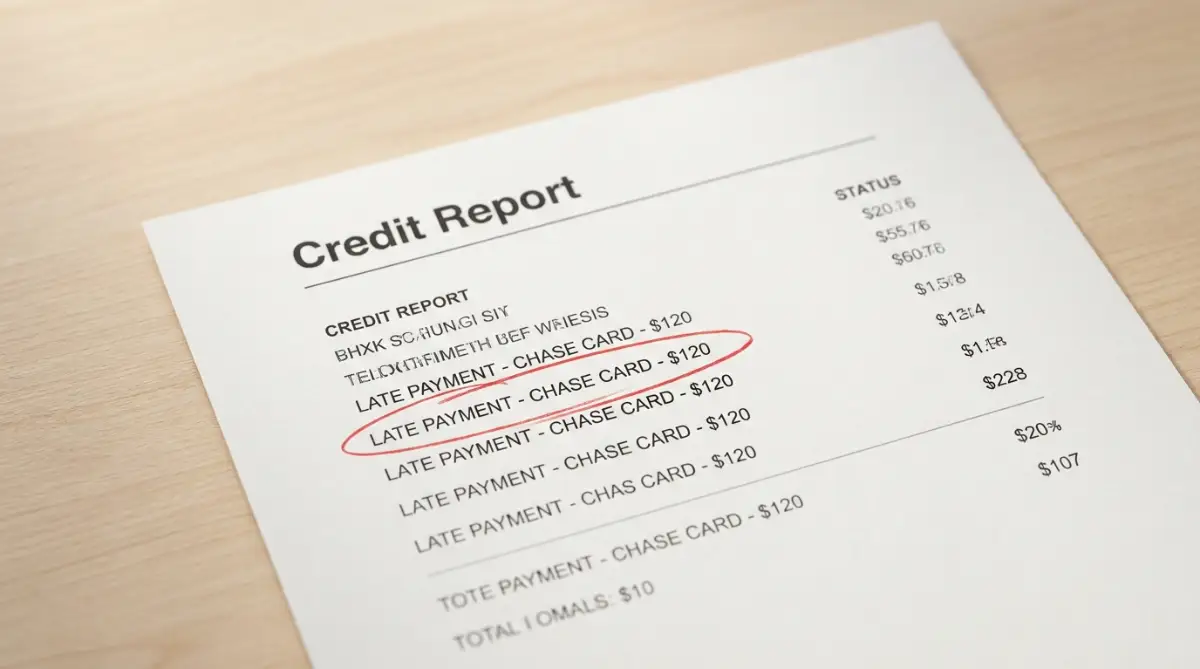
Your credit score is the single most important factor that determines your interest rate. A lower credit score means you will pay a much higher rate, which costs you thousands of dollars over time.
Some buyers make the mistake of opening new credit cards while they are saving for a house. They might also finance a new car or buy expensive electronics on a payment plan. These actions add new debt to your profile and lower your credit score.
Even small changes, like buying a new refrigerator on store credit, can trigger a re-evaluation of your loan. Lenders run a final credit check just a few days before you sign the closing papers.
If they see a new inquiry or a new monthly payment, they have to recalculate your debt ratios. This can delay your closing date by weeks or even cause the bank to deny your mortgage entirely.
Keep your credit frozen and do not apply for any new financing until you have the house keys in your hand.
Shopping for Properties Without Pre-Approval
It is highly exciting to browse real estate websites and visit open houses in your free time. However, looking at properties before getting a pre-approval letter is a major mistake.
You might fall in love with a home that is far outside your actual budget. This leads to deep disappointment when you realize you cannot qualify for that amount.
In addition, sellers in competitive markets will not take your offers seriously without a pre-approval. They want to see proof that a bank is actually willing to lend you the money.
Before you start house hunting, sit down with a lender to get pre-approved. This tells you exactly how much you can spend and shows sellers you are a serious buyer. It saves you time, energy, and prevents unnecessary heartbreak.
Borrowing the Max Amount Lenders Allow
Lenders often approve you for a much larger loan than you can comfortably pay back each month. They base this calculation on your pre-tax income, not your actual take-home pay. They do not consider your personal spending habits, like travel, hobbies, or saving for retirement.
If you borrow the absolute maximum, your monthly payments will consume most of your paycheck. This leaves you with no financial breathing room for any unexpected events.
A sudden job loss or medical bill could easily cause you to fall behind on your mortgage. Always aim to borrow less than the maximum amount the bank offers.
Focus on finding a monthly payment that fits comfortably within your real-world budget. This keeps your stress levels low and protects your financial future.
Your Future Home is Within Reach
Saving for your first home down payment is a major life achievement. It requires clear planning, daily discipline, and the ability to avoid common traps. By staying patient and keeping your goals in sight, you can navigate this process with total confidence.
Do not let the fear of a large number stop you from taking the first step. Every small dollar you save today brings you closer to unlocking your own front door. You have the power to take control of your financial destiny and build a lasting legacy.
Start by automating a small transfer to your savings account today. Focus on making steady progress and trust that your hard work will pay off in the end. We know you can do this, and your future self will thank you for the choices you make today.