
Mistakes to Avoid When Using AI Images for Commercial Purposes
You found the perfect AI generated image for your new product packaging, website banner, or marketing campaign. It looks polished, it fits your brand, and it cost you nothing but a little time spent on a prompt.
I remember the panic I felt when a client asked if the AI graphic on our new packaging was legally safe. I had spent hours tweaking prompts and felt so proud of the result, but I realized I had zero proof of whether I actually owned the image rights. That terrifying moment made me stop everything and build a reliable system for handling AI art safely in my business.
Then a nagging thought creeps in: is this actually safe to use commercially? Could this cause a problem down the road that you haven't even considered yet?
A quick note before we go further: this guide shares general, practical information, not legal advice. For anything with real business risk, a conversation with a qualified lawyer is always worth the time and cost.
Why This Uncertainty Feels So Stressful for Business Owners
Using AI generated images commercially doesn't just raise a technical question. It raises a real business risk question that's easy to feel uncertain about.
- You've used an AI image already, and now you're second-guessing whether that was actually safe to do
- You're not sure if different AI tools have different rules about commercial use
- You've heard mixed, sometimes contradictory information about AI image rights online
- You're worried about investing in a campaign or product, only to discover a problem with the image afterward
A lot of people skip reading the actual terms of service for the tools they use, relying instead on general assumptions that may not apply to their specific situation.
- Different AI image platforms have meaningfully different terms regarding commercial use, ownership, and licensing
- Some platforms grant broad commercial rights, while others place specific restrictions or require certain subscription tiers for commercial use
- Generated images that closely resemble real, identifiable people or copyrighted characters carry additional legal risk beyond the AI tool's own terms
- Without reading the specific terms for your specific tool, it's easy to assume rights that may not actually apply to your situation
There's a real weight to this uncertainty, especially for a small business or independent creator. Wanting to use modern, efficient tools while also protecting your business from unnecessary legal risk creates a real tension worth taking seriously.
- It can make you hesitant to use AI tools at all, even when used correctly they could save real time and money
- It adds stress to launches or campaigns, worried about a problem surfacing after the image is already public
- It can lead to costly mistakes if assumptions about rights turn out to be incorrect for your specific tool or situation
Here's what's genuinely encouraging: most of the risk here comes down to a handful of specific, checkable mistakes, not an unavoidable, unclear gray area you simply have to gamble on.
Each AI image generation platform sets its own specific terms regarding ownership and commercial use rights for images created using that tool. These terms can vary significantly, covering things like whether you own the output, whether commercial use requires a paid plan, and whether any attribution or disclosure is required.
This means there isn't one universal answer to "can I use AI images commercially." The answer depends entirely on the specific platform you used, its current terms of service, and the specific way you intend to use the image. Checking these specifics directly is the single most important step in this entire process.
What You'll Need Before You Start
Gather these basics before using any AI generated image commercially:
- The current terms of service for the specific AI tool you used
- A clear description of your intended commercial use, like packaging, advertising, or merchandise
- A record of your generation process, including the prompt used and the date generated
- Awareness of any real people, brands, or copyrighted characters that might appear in your generated image
Taking time to gather this information before launch prevents most of the common problems people encounter.
Step 1: Read the Specific Terms of Service for Your Tool
Want to make sure your business stays completely safe from legal trouble when using AI visuals? Watch this quick video breaking down AI commercial rights and licensing rules before reading the rest of the guide below!
This is the single most important step, and it's also the one most frequently skipped.
Locate the current terms of service or usage policy for the specific AI image generator you used, rather than relying on general assumptions about AI tools as a category. Search specifically for sections covering commercial use, ownership, and licensing.
Pay close attention to whether commercial use requires a specific subscription tier, since some platforms restrict commercial rights to paid plans while allowing only personal use on free tiers. Using an image commercially under the wrong plan can violate that platform's terms, even if the image itself seems perfectly fine.
Think of this the way you'd think about reading a software license before using it in your business. The specific terms, not general assumptions, determine what's actually allowed.
Step 2: Avoid Generating Recognizable Real People or Copyrighted Characters
This is one of the clearest, most avoidable risk areas in commercial AI image use.
Avoid prompts that attempt to generate a specific, identifiable real person, especially for commercial use, since this can raise separate legal concerns around likeness rights that exist independently of the AI tool's own terms. Similarly, avoid generating images that closely resemble copyrighted characters or branded intellectual property.
If your generated image accidentally resembles a real person or recognizable character, even unintentionally, regenerate with adjusted prompt language rather than using that specific result. Small wording changes can shift the output away from an unintended resemblance.
This matters because likeness and copyright concerns exist separately from whatever rights the AI platform grants you over the image itself. A platform might grant you rights to the generated output, but that doesn't necessarily resolve separate legal questions tied to who or what appears within that image.
Step 3: Document Your Process and Keep Records
Here is a quick lesson I learned the hard way after almost getting into a licensing dispute. Always take a quick screenshot of your prompt, date, and platform settings the moment you generate a final commercial image. Storing these details in a simple folder takes less than a minute, but it gives you complete peace of mind if anyone ever questions your work.
Good documentation won't prevent every possible issue, but it puts you in a much stronger position if a question ever comes up later.
Save your original prompt, the date of generation, and the specific platform and plan you used for each image intended for commercial use. This creates a clear record of exactly how and when the image was created.
Keep a simple, organized file or folder for this information, separate from the image itself, so it's easy to reference later if needed. This small habit takes minimal time and can matter significantly if a question about an image's origin ever arises.
If you've started checking your specific platform's terms of service and thinking carefully about what appears in your generated images, you're already addressing the most common, avoidable risks. The next part of this guide covers more advanced considerations and the mistakes that tend to create the most serious problems for businesses using AI generated images.
Reducing Risk Further: Advanced Considerations for Business Use
Once you've checked your platform's terms and avoided generating real people or copyrighted characters, these next considerations help close some of the less obvious gaps businesses run into.
Consideration 1: Understand That Terms of Service Can Change Over Time
AI image platforms periodically update their terms of service, sometimes changing rules around commercial use, ownership, or licensing as the technology and surrounding legal landscape continues to develop.
Periodically recheck the terms for any AI generated images still actively in use across your business, especially for long-running campaigns, packaging, or branding elements. A term that applied when you generated the image may not necessarily reflect the platform's current policy.
Think of this the way you'd think about renewing awareness of any business compliance requirement. A one-time check at the start doesn't guarantee the same terms apply indefinitely.
Consideration 2: Be Aware of Differences Across International Markets
Laws regarding image rights, likeness, and intellectual property vary across different countries and regions. If your business operates internationally or sells into multiple markets, a use that seems acceptable in one jurisdiction may carry different considerations elsewhere.
This is an area where general guidance reaches its limit, and consulting a legal professional familiar with the specific markets you operate in is worth the investment, especially for larger campaigns or products with significant commercial reach.
Consideration 3: Consider Maintaining a Mixed Approach for High-Stakes Use Cases
For your most prominent or high-investment commercial materials, like primary packaging, major advertising campaigns, or trademark-adjacent branding, some businesses choose to combine AI generated elements with traditionally licensed stock imagery or original photography, rather than relying entirely on AI generated visuals alone.
This isn't necessary for every use case, but for situations with significant financial or reputational stakes, a blended approach can reduce overall risk exposure while still benefiting from the speed and flexibility AI tools offer for lower-stakes materials.
Building Sustainable, Lower-Risk Habits Over Time
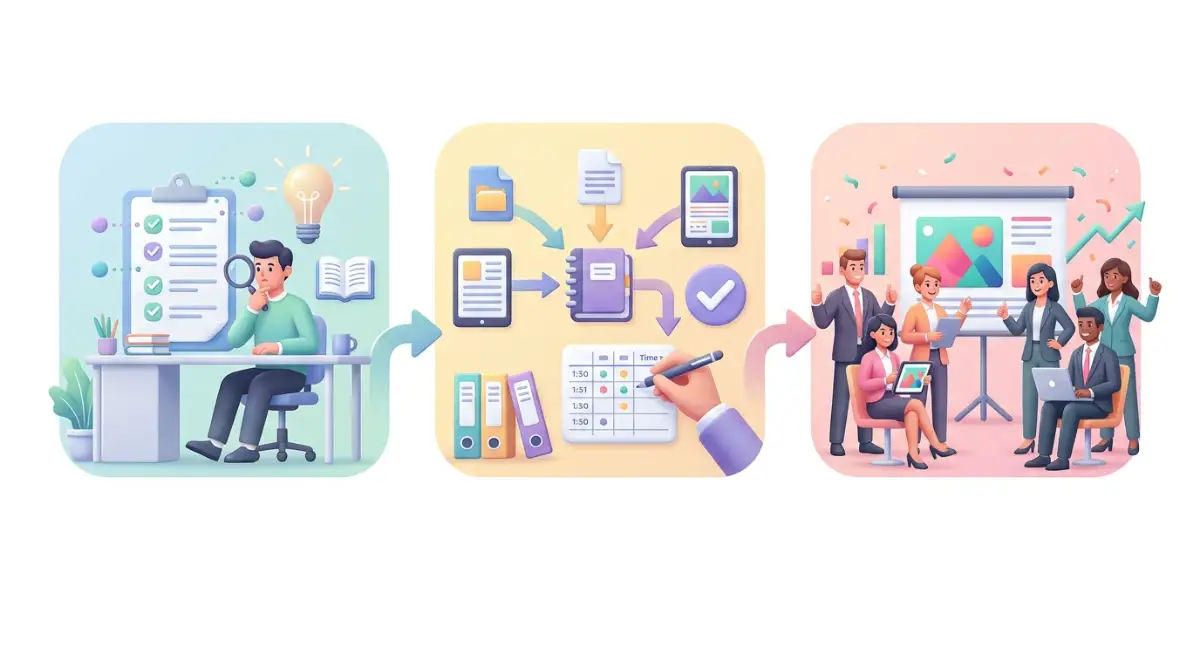
A careful first check matters, but ongoing habits are what actually protect your business consistently over time.
A few practices help maintain this over the long run:
- Build a simple internal checklist for anyone on your team generating images for commercial use, covering terms of service, real people, and copyrighted characters