Three days after moving into what I thought was my forever home, I spent a sunny Saturday painting my faded front door and mailbox a bright, cheerful sky blue. I felt on top of the world. But on Monday morning, I woke up to a stiff white envelope taped to my porch railing. It was a formal violation notice demanding I repaint everything back to "Desert Sand Brown" within seventy-two hours, or face a fifty USD daily fine.
That was my painful wake-up call to living in a Homeowners Association (HOA). Like many first-time buyers, I thought signing the deed meant absolute freedom over my property. The truth is, when you buy into a managed community, you sign away more control than you might expect. Before you sign any paperwork or put down a deposit, let me walk you through how these associations work, what hidden costs you will face, and how you can protect your wallet from painful surprises.
📌 Quick Takeaways Before You Buy
- Automatic Membership: When you buy a home in an HOA community, you cannot opt out. The rules (CC&Rs) are legally binding contracts tied directly to the property deed.
- Surprise Expenses Happen: Beyond your regular monthly dues (typically 150 USD to 600 USD), poorly funded communities can send you huge surprise repair bills known as special assessments.
- Lawn to Roof Control: Boards can dictate paint shades, fence heights, pet weights, and even where you park your work vehicle overnight.
- Due Diligence Protects You: Always inspect at least two years of board meeting minutes and demand the latest reserve study before closing.

What Exactly is a Homeowners Association?
Think of a Homeowners Association as a mini-government for your street or building. When you purchase a place in a subdivision or condo complex, you automatically join this club. A volunteer board of directors, usually made up of your own neighbors, manages common spaces, sets neighborhood rules, and collects dues to pay the bills. When run by reasonable people with clear accounting, an association keeps the streets clean and home values steady. But when mismanaged, it can feel like you have an overbearing boss living right across the street.
The Legal Power Behind the Rules
The rulebook you agree to follow is called the Declaration of Covenants, Conditions, and Restrictions, or CC&Rs. These are not friendly suggestions; they are legal contracts that attach to your land. If the book says you cannot park an RV in your driveway or build a wooden storage shed, the board has full legal backing to stop you. I always tell my friends never to rush through closing without sitting down with a cup of coffee and reading every single page of those covenants.
Understanding HOA Fees and Where Your Money Goes
Living in these managed communities is not free of charge. Every member must pay a monthly, quarterly, or yearly fee to the association. These fees can range from a small amount to hundreds of USD every single month.
The money you pay is used to maintain the shared areas of the neighborhood. This includes things like community pools, parks, sidewalks, and street lighting. It also covers tasks like trash pickup, snow removal, and landscaping for shared spaces.
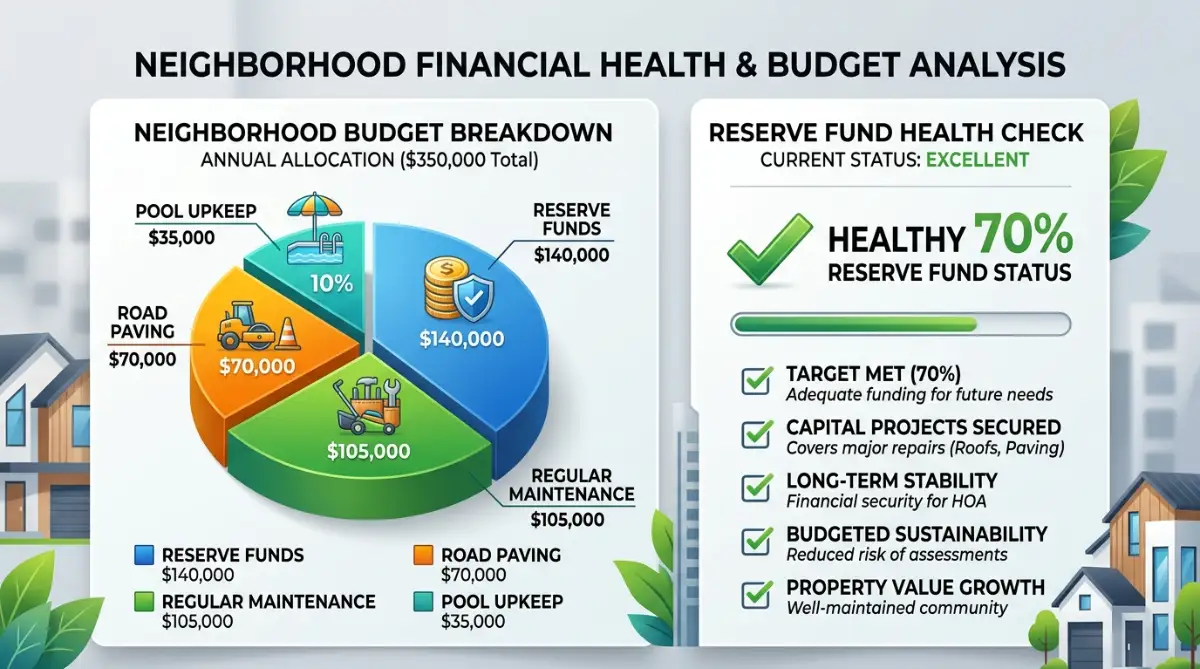
A portion of your fees also goes into a special savings account called a reserve fund. This fund is saved for big future projects, like repaving the roads or replacing the community pool pump. If the association does not have enough saved, they can charge you extra money out of nowhere.
The True Cost of Shared Living Spaces
To give you a clearer picture of how these costs differ, let us look at a simple comparison. This comparison shows that while you pay more upfront in a managed area, it covers several services you would otherwise pay for yourself. You have to decide if this trade-off is worth your hard-earned money.
Real Monthly Cost Comparison: HOA vs. Non-HOA Living
Common Rules That Might Surprise You
Every community has its own specific set of guidelines, but some rules are common across the country. One of the most common rules is how you care for your front lawn. You must keep your grass cut to a certain height, and you cannot have weeds growing in your garden beds.
Another common rule involves what you can park in your own driveway. Many communities do not allow you to park large trucks, boats, or recreational vehicles outside overnight. They want all driveways to look neat and free of clutter.
You might also face strict rules about your pets. Some associations limit the number of pets you can own, or they might restrict certain large breeds of dogs. They do this to prevent noise complaints and keep the community safe for everyone.
🔍 HOA Truth Check: Common Myths vs. Real Facts
- ❌ Myth: "I own the land, so I can paint my front door or change my roof shingles whenever I want."
- ✔️ Fact: Most associations require an Architectural Review Board (ARB) application before you touch any exterior surface. Doing work without approval can lead to forced removal at your own expense.
- ❌ Myth: "If I don't use the community pool or gym, I can ask for a discount on my monthly dues."
- ✔️ Fact: Dues are mandatory for every single deed holder regardless of personal amenity use. Non-payment triggers late interest, fines, and property liens.
- ❌ Myth: "A low monthly HOA fee always means the community is well-run and affordable."
- ✔️ Fact: Artificially low dues usually indicate that the board is neglecting the reserve fund. When the roads or roofs need replacement, owners get hit with sudden 5,000 USD to 15,000 USD special assessment bills.
How Rule Violations Can Hurt Your Finances
If you ignore an association notice, problems escalate fast. What starts as a simple warning letter can turn into a 50 USD daily fine. If those fines sit unpaid, the board can place a formal lien on your property. In several states, an association actually holds the legal power to foreclose on your house to collect past-due fines and legal bills. That is why treating every notice with urgency and keeping a written paper trail is the smartest thing you can do.
The Good Side: Why People Choose Managed Communities
While the rules can feel strict, there are many positive aspects to living in these communities. The biggest benefit is the protection of your property value. Because everyone must keep their homes looking nice, your neighborhood will not suffer from run-down houses that lower property values.
You also get access to great shared amenities that you might not be able to afford on your own. This can include private parks, tennis courts, walking trails, and swimming pools. It is like having a private club right outside your front door.
Finally, these communities often feel much safer and quieter. The rules prevent noisy parties, messy yards, and abandoned cars on the street. It provides a peaceful environment where you can raise a family or enjoy your retirement years in peace.
The Downside: The Costs and Restrictions You Face
The most obvious downside is the loss of your personal freedom. You cannot paint your house a fun color, plant a large tree, or build a deck without getting approval first. For creative people who love to customize their space, this can feel very restrictive.
The fees are also a major drawback, especially since they can rise over time. The board can vote to raise the monthly fees to cover rising costs or new projects. You have to pay these increases even if you do not agree with them.
There is also the risk of poor management by the board members. Since the board is made up of volunteers, they may not always have the skills to manage a large budget. A poorly run board can lose money, neglect common areas, and create unnecessary drama in the neighborhood.
How to Read the CC&Rs Before You Buy

When you go through the home buying process from offer to closing, do not let your excitement blind you to the rules. You must ask your real estate agent for a copy of the CC&Rs immediately. Do not wait until the day before closing to look at them.
Sit down with a cup of coffee and read through the document carefully. Look for rules about parking, pets, rentals, and home modifications. Make sure you can comfortably live with these rules for the next several years.
If you find a rule that you cannot stand, it is better to walk away from the home. Trying to change a rule after you move in is very difficult and rarely works. Save yourself the headache and find a home that fits your lifestyle from the start.
If you want to see how these rules play out in real life, watch this helpful video explaining the daily realities of HOA living.
https://www.youtube.com/watch?v=Vj_25wdTRZg
Investigating the Financial Health of the Association
Before you buy, you also need to look at the financial documents of the association. You want to make sure they have enough money saved in their reserve fund. If their savings are low, you might have to pay a large fee for repairs in the future.
Ask for a copy of the recent budget and the reserve study. A reserve study is a report that shows how much money the community needs for future repairs and how much they actually have saved. A healthy community should have at least seventy percent of their recommended funds saved.
My biggest mistake was not asking for the past three years of HOA board meeting minutes before closing. I missed the fact that they were planning a huge road repair project that cost every owner an extra five thousand USD. Now, I always tell my friends to read those boring minutes because they hold the real secrets of the community.
How to Handle Disputes with Your Board Peacefully
Even if you are careful, you might eventually find yourself in a dispute with your association board. If this happens, the worst thing you can do is get angry and start a fight. This will only make the board members more defensive and harder to deal with.
Instead, stay calm and write a polite letter explaining your side of the situation. Ask to attend the next board meeting so you can speak to them in person. Bring any photos, documents, or receipts that support your case.
Remember that board members are just your neighbors who want to keep the community nice. If you treat them with respect, they are much more likely to work with you to find a fair solution. A little kindness can go a long way in resolving these issues.
Getting Involved: Why You Should Attend Meetings
The best way to protect your rights is to get involved in the association yourself. You should try to attend the regular board meetings as often as you can. This keeps you informed about upcoming projects, rule changes, and budget updates.
If you have the time, you might even want to run for a seat on the board. This gives you a direct voice in how the community is run and how your money is spent. It is the best way to make positive changes in your neighborhood.
Even if you cannot join the board, you can volunteer for smaller committees. Many communities have committees for landscaping, social events, or holiday decorations. It is a great way to meet your neighbors and help your community shine.
Making the Final Decision: Is an HOA Right for You?
Only you can decide if living in a managed community is the right choice for your family. If you love clean streets, quiet nights, and shared pools, it might be the perfect fit. The rules will protect your investment and give you peace of mind.
However, if you want to express your creativity through your home, park your boat in your driveway, or avoid monthly fees, you should look elsewhere. There are plenty of wonderful neighborhoods without these restrictions where you can build your life.
Take your time, do your research, and make an informed decision. Your home is the biggest purchase you will ever make, and you deserve to feel happy and secure in it. By understanding the rules before you buy, you can avoid surprises and find the perfect place to call home.
Master-Level Tactics for Handling Your Neighborhood Association
Managing your life inside a community association does not have to feel like a constant battle. With the right approach, you can keep your peace of mind and protect your financial investment. Let us look at some highly practical and effective ways to manage your relationship with your housing board.
Staying Ahead by Understanding Board Budgets
One of the most effective things you can do is to look closely at the annual budget of the community. This financial plan shows exactly how the board plans to spend your monthly fees over the next twelve months. By reviewing this sheet, you can spot potential problems before they turn into surprise bills.
You should check if the association is setting aside enough money for future maintenance. A healthy budget always allocates a steady percentage of income directly into the reserve account. If you notice that they are spending almost all their money on daily tasks, it is a warning sign that fees might rise soon.
If you struggle to understand the financial sheets, do not hesitate to ask a professional accountant for help. Many neighbors are happy to look at these documents together to share their knowledge. Getting a clear view of the neighborhood finances is a great first step toward long-term peace of mind.
Checking the Strength of the Community Reserve Fund
The reserve fund is the financial backbone of any successful homeowners association. This account pays for large, expensive repairs like fixing a broken community pool or replacing shared roofs. You can learn more about how these organizations work by visiting the Community Associations Institute website.
A reserve study is a special report that estimates the remaining life of all shared community features. It shows how much money is needed to replace these features when they wear out. You should always ask your board for a copy of the latest reserve study to see if they are prepared.
When a community has low reserves, they often have to issue a special assessment to cover unexpected repairs. This means you could receive a massive, unexpected bill for thousands of USD that you must pay immediately. Checking the reserve study helps you avoid these painful financial surprises.
Building Solid Connections with Your Board Members
It is highly beneficial to look at board members as your neighbors rather than your bosses. These people are volunteers who are giving up their free time to manage the community. Building a warm, respectful relationship with them can help you resolve issues much faster.
When you see a board member in the neighborhood, take a moment to wave and say hello. If you have a question, ask them in a friendly, conversational way instead of sending an angry email. This simple shift in your attitude can make a massive difference in how they respond to you.
If you ever need to ask for a rule variance, a friendly relationship will make the process much smoother. Board members are far more likely to help a neighbor who is consistently kind and cooperative. Kindness is a quiet tool that can save you from months of stressful arguments.
Becoming an Active Participant in Neighborhood Meetings
Attending the regular association meetings is a great way to stay informed and protect your rights. Many residents only show up to meetings when they are angry about a fine or a rule change. By attending regularly, you can share your thoughts before decisions are made.
These meetings are where the board discusses upcoming repair projects, budget updates, and rule changes. Being present allows you to ask important questions and keep the board accountable. It also shows the board that you care about the long-term health of the neighborhood.
If you cannot attend in person, see if there is an option to join the meeting online. You can also read the meeting minutes afterward to stay updated on what was discussed. Staying active helps you avoid being surprised by new policies or fee increases.
Reviewing the Official Community Governing Documents
You must take the time to read through the official bylaws and rules of your association. These documents are legally binding, and ignorance is not a valid excuse if you break a rule. You can find helpful advice on homebuying and community properties on the USA Gov Housing Help website.
Pay close attention to the sections about home modifications, parking limits, and rental restrictions. Some associations have very strict rules about leasing your home to tenants, which is essential to know if you plan on following a rental property investment strategy. Knowing these guidelines before you make big plans will save you from major legal headaches.
If you find a rule that seems unclear, write a polite letter to the board asking for a detailed explanation. It is always better to get clarification in writing rather than making assumptions. Keeping a file of these official documents will protect you if a dispute ever arises.
Keeping Detailed Written Records of All Communications
Whenever you interact with your association, make sure you keep a detailed written record of the conversation. This includes letters, emails, text messages, and even notes from phone calls. Having a clear paper trail is incredibly important if you ever face a misunderstanding.
If a board member gives you verbal permission to do something, kindly ask them to send it in an email. Verbal agreements are very hard to prove if the board members change in the future. Written proof is your ultimate shield against unfair fines or rule enforcement.
Store all your association documents, letters, and payment receipts in a single, safe folder. This makes it easy to find what you need if you ever have to dispute a charge. Being organized is a simple way to protect your rights as a homeowner.

Critical Missteps That Can Lead to Serious Fines and Frustrations
Even the most well-meaning homebuyers can make major mistakes when dealing with a homeowners association. These errors can lead to heavy fines, legal battles, and a complete loss of peace in your own home. Let us look at some of the most common pitfalls so you can avoid them completely.
Starting Home Projects Without Getting Prior Board Approval
One of the most common mistakes is planning exterior renovations or DIY upgrades to boost home value without getting written permission from the board. You might think that painting your front door or building a small wooden deck is your right as an owner. However, most associations require you to submit an architectural review form before any work begins.
If you skip this step, the board can force you to stop the work immediately. They can even make you tear down the new structure and pay to return the area to its original state. This can result in losing thousands of USD of your hard-earned cash.
Always submit your design plans to the committee and wait for their official written approval before buying any materials. It might take a few weeks to get a response, but it is worth the wait. Protecting your wallet from these costly mistakes should always be a top priority.
Ignoring Warning Letters and Unpaid Association Fees
When life gets busy, it can be easy to toss an official warning letter into a drawer and forget about it. Some homeowners believe that if they ignore the letters, the problem will eventually go away. This is a very dangerous mistake that can have severe legal consequences.
Associations have the legal right to charge you late fees, interest, and fine penalties for ignoring their notices. Over time, a small fifty USD fine can grow into a massive debt of several thousand USD. You can read about your consumer rights regarding debt on the Federal Trade Commission website.
If you cannot pay your fees on time, the best move is to contact the board immediately to explain your situation. Many boards are willing to set up a monthly payment plan to help you catch up. Ignoring the problem will only make it worse and could put your home at risk.
Engaging in Angry Arguments on Social Media Platforms
When you are upset about an association rule, it can be tempting to post an angry rant on a local Facebook group. While this might make you feel better for a moment, it usually makes the situation much worse. It can create a toxic environment in the neighborhood and make board members less willing to help you.
Public fighting often leads to hurt feelings and deep divisions among neighbors. If you have a complaint, it is always best to handle it privately and professionally through official channels. Send a polite email or request a private meeting to discuss your concerns.
Keeping your conversations professional will help you maintain a good reputation in the community. It shows the board that you are a reasonable person who wants to find a fair solution. Avoiding online drama is a great way to keep your neighborhood peaceful and friendly.
Forgetting to Calculate the Full Cost of Managed Living
Many buyers only look at the purchase price of a house when deciding if they can afford it. They forget to factor in the monthly association fees and the potential for fee increases. This can leave them with a tight budget and a lot of financial stress.
These fees are not optional, and you must pay them on time every single month. If you are stretched to your limit just paying the mortgage, an extra association fee can push you over the edge. It is important to calculate these costs before you make an offer on a home.
If you need help planning your home finances, you can read our detailed guide on how to calculate home costs. This resource can help you understand all the hidden expenses of owning a property.
Skipping the Review of Past Meeting Minutes and Records
Another common mistake is failing to ask for the past records of the association before you close on the home. These minutes hold the real story of the neighborhood and can reveal ongoing issues. For example, you might discover that the board is currently involved in a costly lawsuit with a contractor.
This information can help you decide if the community is a safe and stable place to live. If you see constant arguments and financial problems in the minutes, it is a clear warning sign. Taking the time to do this research will protect you from moving into a stressful situation.
You can also look into state-specific property laws to see what rights you have as a member. Reading authoritative legal resources on understanding real property laws can give you a solid foundation before you sign any contracts. It is a quick read that can save you from a lot of future confusion.
Failing to Inspect the Common Areas in Person
When looking at a home, buyers often focus entirely on the house itself and ignore the shared amenities. They assume the community pool, parks, and clubhouses are in perfect condition because they pay fees. However, neglected common areas can be a sign of a poorly managed association.
If the shared spaces look run-down, it usually means the board does not have the funds or the organization to maintain them. This can lead to a drop in overall property values in the neighborhood. It also means you are paying for services that you cannot fully enjoy.
Take a walk around the neighborhood and inspect the shared areas yourself before making an offer, just as you would during a thorough pre-offer home inspection. If you notice broken fences, dirty pools, or overgrown parks, ask the board why these issues exist. This simple step can tell you a lot about how the community is managed.
Frequently Asked Questions About Homeowners Associations
1. What happens if I refuse to pay my monthly HOA dues?
The association will add late fees and interest to your balance. If the debt remains unpaid, the board can place an assessment lien on your home deed. Depending on your state laws, the association can even force a foreclosure sale of your house to recover their money and legal costs.
2. Can I refuse to join an HOA when buying a home?
No, you cannot opt out if the property is located inside a covenant-controlled subdivision. The HOA covenants are legally tied to the land deed. When you buy the house, signing the agreement to join and follow the CC&Rs is mandatory.
3. How do I know if an HOA has enough money in savings?
Ask your real estate agent to request the association's recent Reserve Study and annual balance sheet before closing. A financially secure association will have a "funded ratio" of 70% or higher. Anything under 50% means a high risk of surprise special assessments.
4. Can an HOA board restrict what I do inside my own home?
Generally, associations govern outdoor aesthetics and common structural elements. However, they can enforce internal rules that impact neighbors, such as maximum occupancy limits, quiet hours, flooring types in upstairs condo units, and restrictions on operating short-term rentals like Airbnb.
5. How can I fight back against an unfair HOA fine?
Review your community's official bylaws to locate the formal appeal process. Submit a written request for an appeal hearing within the required timeframe. Bring timestamped photos, contractor receipts, and polite written statements to present your case before the board members.
Your Roadmap to Harmony and Home Ownership
Living in a neighborhood with a homeowners association does not have to be a source of constant worry. By taking a proactive approach, you can enjoy all the benefits of shared amenities while avoiding the common pitfalls. It is all about starting your journey with the right knowledge and a positive attitude.
Remember to read the rules carefully, stay active in your community, and build respectful relationships with your neighbors. These simple steps will help you create a peaceful, stable, and happy home life. You have the power to shape your community and make it a wonderful place to live.
If you are looking for more guidance, check out our proven strategies for first-time homebuyers to save money and avoid painful regrets. This resource can help you find a community that aligns with your family goals.
My own journey with my neighborhood association taught me that open communication can solve almost any problem. I learned that when I stopped viewing the board as my enemy and started working with them, my stress vanished. Now, I feel a deep sense of pride in my community, and I am so glad I took the time to understand how it all works. I want you to feel that same peace and confidence when you walk through your front door every day. You have worked so hard to get here, and with a little preparation, you can build a truly beautiful life in your new home.
Disclaimer
This article is for informational and educational purposes only. It does not constitute formal legal, financial, or professional real estate advice. Laws and regulations regarding homeowners associations vary by state, county, and local jurisdiction. Always consult with a qualified real estate attorney, professional accountant, or licensed real estate agent before signing any legally binding contracts or buying property.