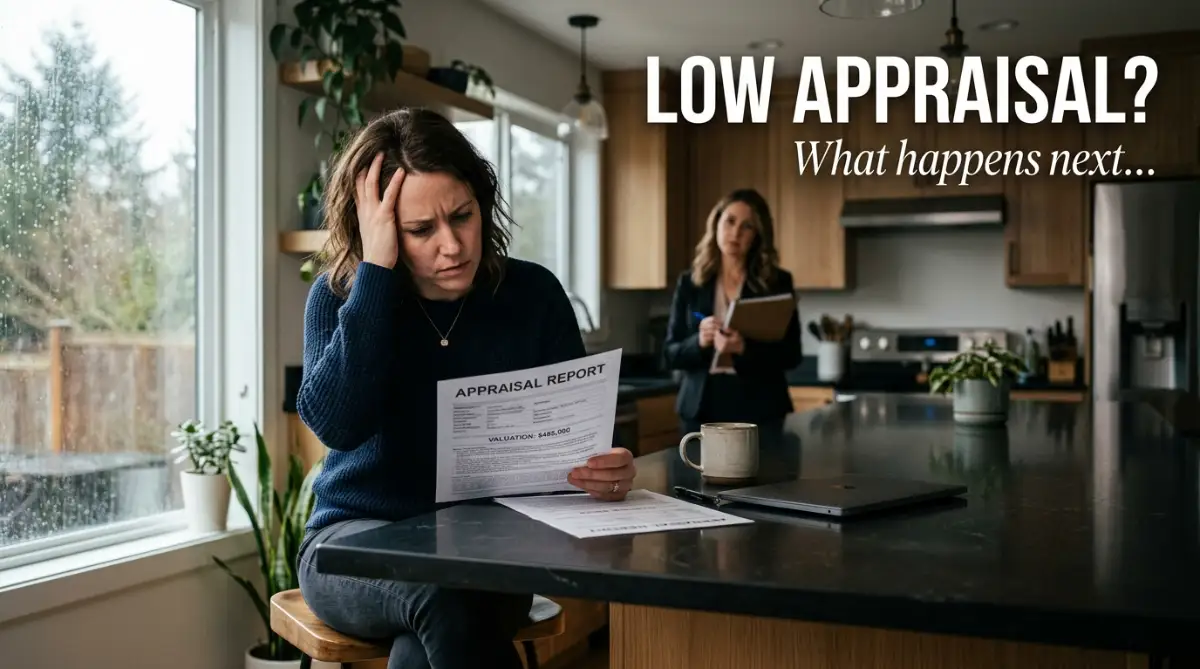
The Morning My Real Estate Dream Took a Hit
I still remember the cold feeling in my chest on a sunny Tuesday morning back in 2021. My family and I had spent six exhausting weeks scrubbing baseboards, painting every bedroom in soft gray tones, and planting fresh marigolds by the front walkway. We were beyond proud of our home.
Within forty-eight hours of putting the house on the market, an excited buyer offered us 25,000 USD over our listing price. We were already celebrating at the kitchen table with takeout pizza, daydreaming about our next neighborhood. Then my phone buzzed. It was my real estate agent, and her voice was dead quiet.
The bank's appraisal report had just arrived. The official valuation came in 30,000 USD below our agreed sales price. In one five-second phone call, our entire moving schedule froze.
If you are staring at a surprisingly low property valuation right now, take a deep breath. You are not trapped, and your hard work is not lost. I learned the hard way that property valuations are not a test of how much you love your home—they are simply cold bank math. Let me show you how to take control of the situation and save your hard-earned money.
📌 Quick Takeaways: What You Need to Know Right Now
- Appraisals Protect the Bank, Not You: Appraisers work to keep the mortgage lender safe from bad investments. They look strictly at closed past sales, not your emotional attachment.
- The Appraisal Gap Solution: If the valuation falls short of the purchase contract, you can renegotiate the price, split the cash difference with the buyer, or challenge the report with fresh comps.
- Cosmetics Beat Big Luxury Upgrades: Simple fixes like fresh neutral paint and clean curb appeal give you a much higher return than expensive custom swimming pools or oversized patio setups.
- File a Reconsideration of Value (ROV): You have the legal right to challenge factual errors or poor neighborhood comparison properties directly through the lender.
Understanding the Hidden Mechanics of Property Valuation
When you get a lower number than you hoped for, you need to step back and look at the cold, hard facts. An appraiser does not look at your home with the same emotional attachment that you do. They are hired by the bank to protect the bank's financial interests.
The bank simply wants to know that if you stop paying your mortgage, they can sell the house and get their money back. Therefore, the appraiser must rely on very strict data points to justify the final amount. Let us break down the exact reasons why your property might not price out the way you expect.
The Danger of Outdated Neighborhood Comparisons
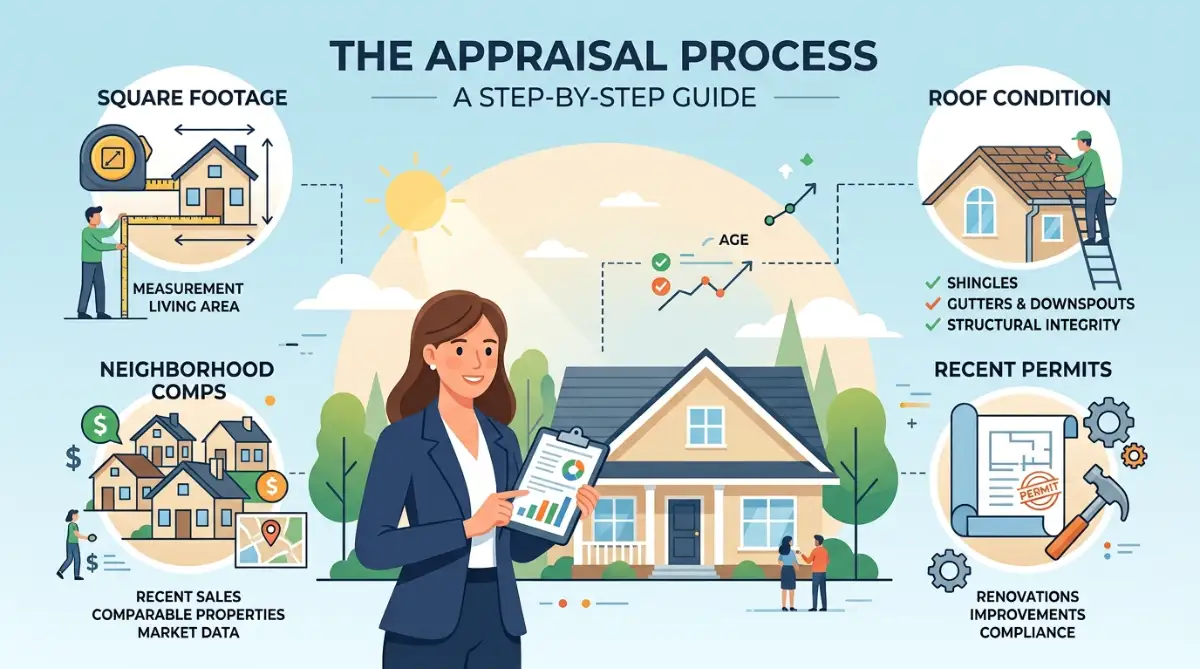
In my years of buying and selling properties, I found that bad "comps" (comparable neighborhood sales) cause 80% of low appraisals. Appraisers look at three or four houses near you that sold in the past ninety days. The problem? If your neighbor sold their house in a rush due to an urgent job relocation or divorce, that low fire-sale price drags down your home's official value. You cannot stop the appraiser from pulling that data, but you can present alternate nearby sales to balance the record.
Sometimes, an appraiser might choose a comp that is located just on the other side of a major highway. In real estate, crossing a major road can completely change the school district and neighborhood demand. If they pull data from a less desirable street, your number will automatically drop.
Watch This Quick Guide on Managing Neighborhood Comps:
If you want to understand exactly how real estate professionals select these comparable properties, you need to watch this short explanation. It breaks down the exact math appraisers use, which will help you spot mistakes in your own report.
The Reality of Rapid Market Shifts
Real estate is never a steady, straight line. Markets shift from a seller's advantage to a buyer's advantage very quickly due to changing interest rates. When interest rates go up, buyers can afford less house, which naturally pulls property prices down.
You might price your house based on what your neighbor got six months ago during a massive buying frenzy. But the appraiser is looking at the reality of today. If buyer demand has cooled off over the last few weeks, the valuation will reflect that cooler temperature.
Appraisers are essentially historians, not fortune tellers. They strictly look backward at what has already closed and finalized. They cannot value your home based on the current multiple offers you have on the table. They only care about the ink that has already dried on past contracts.
When Big Renovations Do Not Equal Big Money
Television renovation shows make you feel like every penny you sink into high-end quartz counters or a luxury spa tub will return double when you sell. Reality is much different. If you spend 50,000 USD on an in-ground pool in an area where families only care about yard space, the bank might only credit you 10,000 USD to 15,000 USD. When you over-improve your home beyond what is normal for your street, you end up paying for features the appraiser simply cannot justify.
I actually learned this the hard way during my first home sale. I assumed my expensive landscaping would add massive value.
My Personal Insight: I once spent thousands of dollars planting exotic trees and building a custom fire pit right before selling my house. When the report came back, the appraiser gave me zero extra credit for the landscaping because there were no similar yards in my area to compare it to. Always consult a local agent before doing major pre-sale renovations, because what you find beautiful, the bank might find completely irrelevant.
The Problem with Unpermitted Additions
Homeowners love to create extra space for their growing families. You might have finished your basement to create a nice game room or added a sunroom off the back deck. If you or the previous owner did this work without pulling the proper city permits, you have a huge problem.
Appraisers check public county tax records to see the official square footage of your property. Understanding how local property taxes and official records are calculated will show you why unpermitted additions get flagged immediately. If your tax record says you have 1,500 square feet, but you actually have 2,000, the appraiser will notice. They cannot legally include unpermitted living spaces in their final calculation.
This means you could have a beautifully finished master suite that counts for absolutely nothing on paper. The bank views unpermitted work as a massive safety hazard. They worry about electrical fires or structural failures, which makes them very conservative with the numbers.
Overlooked Maintenance and Condition Issues
A house is a living, breathing thing that requires constant care. Sometimes we get so used to living in our homes that we become blind to the flaws. An appraiser walks in with completely fresh eyes and a very critical checklist.
They will notice the curling shingles on your old roof. They will test your heating and cooling systems, which is why knowing how to properly maintain your HVAC system before appraisal day is essential to prevent costly valuation cuts. They look for signs of water damage under the sinks and around the windows.
If your home has deferred maintenance, the appraiser has to adjust the value downward. Many owners overlook these hidden expenses of owning a home, only to face sudden price reductions when selling. They calculate how much it would cost a new buyer to fix these neglected issues. Even small things like peeling paint on the exterior can trigger major red flags, especially for specific government-backed loans.
The Cost vs Value Breakdown of Common Projects
To help you understand how appraisers view your upgrades, you need to look at the numbers. Here is a realistic look at how much you spend versus how much value is actually added.
As you can clearly see, smaller aesthetic changes usually perform much better on an appraisal. Focusing on simple DIY upgrades to boost your home value gives you a far better return than pouring money into oversized luxury projects. Massive luxury projects almost always lose money on paper. You must think like an investor, not an emotional homeowner.
The Challenge of an Inexperienced Professional
Not all real estate professionals have the exact same level of experience. Sometimes, your low number is simply the result of human error. Appraisers are humans, and they can absolutely make mistakes on the job.
Mortgage lenders often hire out-of-town appraisers through automated management systems. I once had an appraiser who drove in from sixty miles away. He had no clue that houses on the north side of our main street feed into a top-rated elementary school, while houses on the south side do not. Because he pulled sales across that dividing street, his valuation came in 25,000 USD too low. Local street-by-street knowledge is everything in real estate.
If you suspect the professional did not understand your area, you have the right to question their methods. You can look at the exact addresses they used for their comparisons. If those houses are in completely different neighborhoods, you have a strong reason to push back.
How Different Loan Types Change the Rules
You also need to understand that the buyer's mortgage type plays a massive role in this process. Just as buyers must prepare their finances before applying for a mortgage, sellers must understand how loan guidelines dictate the property's physical requirements. Conventional loans are generally more flexible when it comes to the physical condition of the property. The appraiser is mostly just looking at the overall financial value.
However, government-backed mortgages have very strict safety and health guidelines. If your buyer is using an FHA or VA loan, the inspection becomes much more intense. The appraiser basically acts as a safety inspector during their visit.
They will look for missing handrails on staircases. They will test every single window to make sure it opens easily to escape a fire. If they find peeling lead-based paint on an older home, they will stop the entire process.
The valuation will come back low, or it will be marked "subject to repairs." This means the value is only valid if you fix the specific problems before closing day. This often forces sellers to spend unexpected cash just to keep the deal alive.
The Shock of the "Appraisal Gap"
When the final number comes in lower than the agreed purchase price, it creates something called a gap. Let us say a buyer agrees to pay 400,000 USD for your house. The bank sends their expert out, and the report comes back at 380,000 USD.
You now have a 20,000 USD gap that needs immediate attention. The bank is strictly saying they will only lend money based on the 380,000 USD value. They refuse to finance that extra 20,000 USD because they view it as a bad investment.
This puts everyone in a very stressful position. The buyer might not have an extra 20,000 USD in cash sitting in their bank account to cover the difference. The seller usually feels insulted and refuses to drop the price by that much.
The entire transaction freezes. Real estate agents have to scramble to negotiate a middle ground so the deal does not completely fall apart during the critical stages of the home buying process from offer to closing. It is a highly emotional time where everyone feels like they are losing money.

Proactive Steps to Protect Your Number
You do not have to just sit back and hope for a good result. There are active steps you can take before the bank's representative even knocks on your door. Preparation is your absolute best defense against a bad report.
First, you should ask your real estate agent to prepare a detailed information packet. This packet should include all the best comparable sales in your specific neighborhood. You can legally hand this packet to the appraiser when they arrive at the house.
You are not telling them how to do their job, you are just providing helpful local data. You should also type up a clear, bulleted list of every single improvement you have made. Include the dates of the work and exactly how much money you spent on it.
Making the House Shine for the Walkthrough
Treat appraisal day exactly like you would treat a showing for a very important buyer. The appraiser is a human being who responds to visual cues. If the house smells like wet dog and has dirty dishes in the sink, it creates a negative psychological impression.
Make sure every single light bulb in the house actually works. Open all the blinds to let in as much natural sunlight as possible. Clean the baseboards, sweep the front porch, and make sure the house feels fresh and welcoming.
While they are supposed to be completely objective, a well-maintained home simply feels more valuable. If they see that you take amazing care of the small things, they assume the big things are in good shape too. Do not give them any easy reasons to subtract value from your home.
Managing the Appeal Process
If you do receive a terrible number, you still have options. You can file an official document called a Reconsideration of Value (ROV). This is essentially an appeal process where you challenge the original report.
However, you cannot just say "I feel my house is worth more." You must provide hard, undeniable evidence to win an appeal. You need to find better comparable sales that the appraiser completely missed.
You can also point out factual errors in their report. Did they list your home as a three-bedroom when it actually has four? Did they mark the basement as unfinished when it clearly has drywall and carpet? Finding factual mistakes is the fastest way to get a report revised.
Filing an ROV takes time and a lot of patience. Sometimes the original appraiser will refuse to change their mind out of professional pride. In those cases, the buyer's lender might agree to order a completely new appraisal with a different person.
Knowing When to Renegotiate
Sometimes, fighting the report simply does not work. The data might actually show that your home is indeed priced too high for the current market. When this happens, both the buyer and the seller have to sit down at the negotiation table.
If you are the seller, you might have to lower your price to meet the bank's number. This hurts your pride, but it keeps the sale moving forward. If you refuse to lower the price, the buyer might walk away.
If that buyer walks away, you have to put the house back on the market. The next buyer will likely face the exact same appraisal issues. It is often better to compromise slightly rather than start the whole stressful process over again.
Buyers can also agree to meet the seller halfway. Smart buyers who study strategies for first-time homebuyers to save money often keep reserve funds specifically to handle unexpected appraisal gaps smoothly. If the gap is 10,000 USD, the buyer might bring 5,000 USD in cash, and the seller drops the price by 5,000 USD. Communication and a willingness to compromise will save the deal.
Creating the Ultimate "Brag Sheet"
You know your house better than anyone else on the planet. The person visiting your home might only spend thirty minutes walking through your rooms. In that short amount of time, they can easily miss the expensive updates you made behind the walls.
This is why you must create a comprehensive "brag sheet" or information packet. Leave a neatly printed folder on your kitchen counter specifically for the visiting professional. Inside this folder, you should list every single improvement, repair, and upgrade you have completed since you bought the house.
Do not just say "remodeled bathroom." You need to be extremely specific and list the exact costs. For example, write down "Installed custom dual-vanity marble sink for 3,500 USD" and attach the receipt. Providing clear proof of your investments makes it much harder for them to ignore the added value.
Mastering the Art of the "Appraisal Gap Clause"
If you are selling your house in a highly competitive market, you need to protect yourself during the contract phase. Smart sellers and their agents use something called an appraisal gap guarantee. This is a specific legal clause written right into the purchase agreement before anyone signs it.
This clause states that if the bank's valuation comes in low, the buyer agrees to cover the difference in cash up to a certain amount. For instance, the buyer might agree to cover a 10,000 USD gap from their own savings. This completely removes the panic and stress if the final number falls slightly short.
By having this agreement in writing on day one, you prevent the deal from falling apart later. It forces the buyer to prove they have the financial strength to actually buy your home. If a buyer refuses to sign a gap clause, it tells you they might not have enough cash to close the deal.
Understanding the Principle of Progression and Regression
Real estate pricing is heavily influenced by the houses immediately surrounding yours. This concept is broken down into two main ideas: the principle of progression and the principle of regression. Understanding these ideas will help you set realistic expectations for your final number.
The principle of progression happens when you own the smallest or least updated house in a very expensive neighborhood. Because all your neighbors have high property values, their expensive homes naturally pull your value up. The surrounding luxury benefits your bottom line without you spending a single dime.
On the other hand, the principle of regression is incredibly frustrating for homeowners who love to renovate. If you own a massive, fully upgraded luxury home in a neighborhood of small, outdated houses, your value will suffer. The lower-priced homes around you will act like an anchor, actively pulling your final valuation down.
💡 Appraisal Myths vs Real Market Facts
- ❌ Myth: "The appraiser must match our agreed contract price because a real buyer offered it."
- ✔️ Fact: The appraiser works for the mortgage lender, not the buyer or seller. They only care about past settled sales to make sure the bank does not lend more than the physical collateral is worth.
- ❌ Myth: "An unpermitted finished basement will double our livable square footage on the appraisal."
- ✔️ Fact: Appraisers pull official city tax records. If square footage was built without local building permits, they cannot legally count it as heated living area, giving you zero official value.
- ❌ Myth: "If the appraisal is low, the deal is dead immediately."
- ✔️ Fact: Over 60% of low appraisals result in successful compromise—such as splitting the cash difference, negotiating a modest price drop, or completing an official Reconsideration of Value (ROV).
How to Professionally Challenge a Bad Report
Sometimes, despite your absolute best efforts, the report comes back with a shockingly low number. You have the right to fight back, but you must do it through the proper official channels. This process is known as a Reconsideration of Value (ROV).
To win an ROV, you must completely remove your emotions from the argument. You cannot just complain that the number is unfair or that your house is prettier than the neighbors' houses. You must find factual, undeniable errors in the official document.
Did the expert accidentally write down that you have three bedrooms when you actually have four? Did they use comparable sales from a completely different school district? If you can find hard evidence that they used the wrong data, the Consumer Financial Protection Bureau explains your rights regarding property valuations and how lenders must handle these disputes.
Pre-Sale Inspections Save the Deal
One of the smartest things you can do before listing your home is to hire your own private inspector. Following the same checklist found in our ultimate guide to inspecting a house helps you spot hidden flaws before the bank's expert ever steps foot inside. Yes, it will cost you a few hundred dollars upfront. However, this small investment can save you thousands of dollars and endless headaches during the bank's valuation process.
A private inspector will find the hidden problems that will eventually trigger red flags for the bank. They will catch the slow leak under the guest bathroom sink or the missing safety valves on your water heater. Finding these issues early gives you the time to fix them on your own schedule.
If you wait for the bank's expert to find these problems, they will likely mark the home "subject to repairs." This immediately pauses your entire sale and creates panic for the buyer. Fixing small problems before anyone else sees them is the ultimate pro-level secret.
A Quick Action Checklist for Valuation Day
To make things incredibly simple, here is exactly what you should do on the morning of your appointment. Following these steps ensures your property looks its absolute best.
By treating this day with total seriousness, you control the narrative. You show the bank that your home is a solid, safe, and highly valuable investment.

The Most Dangerous Traps That Destroy Your Valuation
When a homeowner gets a bad number, it is usually because they fell into a few common traps. Selling a house is an extremely emotional process. Those heavy emotions often cloud our judgment and cause us to make expensive mistakes.
Trusting Internet Algorithms Over Local Experts
The biggest mistake homeowners make today is believing that internet valuation estimates are perfectly accurate. We all love to check those popular real estate apps to see our home value magically go up every month. However, those automated systems have absolutely no idea what the inside of your house actually looks like.
An internet algorithm does not know that your kitchen still has green countertops from thirty years ago. It also does not know that you just spent 20,000 USD on a brand new roof. Relying on an automated number will almost always lead to a massive disappointment when the real report arrives.
These websites simply take a rough average of the zip code and apply a generic formula. Research from housing finance authorities clearly shows that local, human-driven data is the only reliable way to price a specific home. Always trust a local real estate agent who has physically walked through your living room over a generic website estimate.
Overpricing Based on Pure Emotion
It is incredibly common for sellers to insist on listing their home for way more than the local data suggests. You might think, "Well, we can always just lower the price later if it does not sell." This strategy is incredibly dangerous and almost always backfires.
If you list your house too high, it will sit on the market for weeks without any offers. Buyers will start to wonder what is secretly wrong with the property. Eventually, you might find a buyer willing to pay that inflated price, but the bank will completely reject it.
The bank's expert will look at the comparable sales and immediately see that your price is completely unjustified. The entire deal will collapse because the bank refuses to lend money on an overpriced asset. Pricing your home correctly from day one is the best way to ensure the valuation matches the purchase contract.
Hiding Known Defects from the Inspector
Some sellers try to play games by hiding known problems when the bank's representative comes over. They might stack heavy moving boxes in front of a massive crack in the basement wall. They might put a large rug over water-damaged hardwood floors.
This is not only highly unethical, it is a terrible strategy that will eventually ruin your sale. Appraisers are highly trained professionals who know exactly what to look for. If they catch you trying to hide a major defect, they will immediately lose all trust in the overall condition of the home.
Once they lose trust, they will start scrutinizing every single inch of your property with intense suspicion. They will likely note the hidden damage in their final report and dramatically reduce the value. Honesty and transparency will always protect your bottom line much better than cheap tricks.
Arguing During the Walk-Through
When the expert arrives at your house, your absolute best move is to be polite, hand them your information packet, and then leave them alone. Unfortunately, many homeowners follow the appraiser around the house like a shadow. They talk constantly, pointing out every single minor detail they love about the home.
This behavior is incredibly annoying to someone who is simply trying to do their job. If you constantly interrupt them to argue about how much your custom curtains cost, you create a tense, negative environment. You never want the person deciding your financial future to feel rushed or irritated.
Give them the space they need to take their photos and complete their checklist. Answer their questions honestly if they ask, but do not offer unsolicited opinions about the local market. Professional courtesy goes a very long way in securing a positive final result.
Ignoring the Exterior Curb Appeal
We spend so much time making sure the inside of the house is perfectly clean that we completely forget about the outside. First impressions matter immensely in real estate. The very first thing the expert will do is park their car across the street and look at your home's exterior.
If your gutters are overflowing with dead leaves and your front door has peeling paint, they immediately make a negative mental note. They instantly assume that if you do not care for the outside, the inside probably has hidden maintenance issues too. This negative bias will follow them through every single room of your house.
Spend a weekend pressure washing your driveway, trimming the bushes, and putting a fresh coat of paint on the front door. These extremely cheap tasks create a strong psychological impact. A house that looks loved from the street almost always gets a better review on paper.
Frequently Asked Questions About Low Property Appraisals
Q1: Who pays for the home appraisal during a purchase?
Answer: The home buyer pays the appraisal fee as part of their standard mortgage closing costs. However, the appraiser remains an independent licensed third party whose sole job is to protect the lender from over-financing.
Q2: What is the fastest way to fix an appraisal gap?
Answer: The fastest route is a shared compromise between buyer and seller. If the gap is 10,000 USD, the seller often lowers the purchase price by 5,000 USD, and the buyer brings 5,000 USD extra cash to the closing table.
Q3: Can a seller legally refuse to lower the price after a low appraisal?
Answer: Yes, a seller can refuse to lower their price. However, if the buyer has a standard appraisal contingency in the contract, the buyer can walk away with their full earnest money deposit returned.
Q4: How long does a Reconsideration of Value (ROV) appeal take?
Answer: An ROV appeal typically takes between 3 to 7 business days once your agent submits the written dispute along with 3 to 5 better neighborhood comparable sales.
Q5: Do home appraisals stay with the house if the deal falls through?
Answer: Conventional loan appraisals belong to the original lender and buyer, so they disappear if the buyer walks away. However, FHA and VA appraisal case numbers stay tied to the home for 120 to 180 days in the public loan database.
Securing Your Financial Future in Real Estate
Managing the complex world of property valuations does not have to be a terrifying experience. Yes, getting a lower number than you expected is incredibly stressful and frustrating. However, when you understand the strict rules of the game, you can play it to your absolute advantage.
The most important thing to remember is that this process is purely mathematical, not personal. The bank is simply protecting its financial investment. An accurate appraisal protects your true net worth and helps you clearly calculate what your home equity is worth for future investments. By preparing your home properly and providing solid local data, you remove the guesswork from the equation.
Always focus on making smart, low-cost improvements that actually yield a strong return. Avoid sinking massive amounts of money into highly customized luxury projects that do not fit your specific neighborhood. When you align your expectations with the reality of your local market, you protect your peace of mind.
If you do run into a stubborn appraisal gap, remember that compromise is often the best solution. Work closely with your real estate agent to negotiate fairly with the buyer. Keeping the deal alive is usually much better than starting the exhausting sales process all over again.
A Word from My Own Journey: I completely understand the heavy weight you feel in your chest when real estate plans suddenly go wrong. I have been in that exact same kitchen, staring at a low number on a piece of paper, wondering how my family would recover. Just take a deep breath, trust the data, and confidently take the next logical step forward.
Disclaimer:
The information provided in this article is for educational and informational purposes only and does not constitute financial, legal, or real estate advice. Real estate markets fluctuate constantly, and property valuation methods vary by state, local regulations, and specific mortgage lenders. Always consult with a licensed real estate agent, a professional appraiser, or a financial advisor before making major decisions regarding buying, selling, or renovating a property.