The Hidden Trap That Almost Cost Me Everything
I will never forget that chilly Tuesday morning when my entire dream almost crumbled over a single piece of mail. I was sitting in my kitchen with a hot cup of coffee, feeling on top of the world because my small online store had just crossed 100 orders in a single week. Then, I opened a certified letter from an aggressive corporate law firm.
My heart stopped. My hands shook so hard I spilled coffee all over the kitchen counter. They claimed my business name was infringing on their client’s registered brand, and they demanded USD 45,000 in immediate damages while ordering me to destroy all my packaging within seven days.
I had done what most eager founders do—I bought a website name, told my friends on social media, and started selling. I thought small creators like us were invisible to big lawyers. I was dead wrong.
That single blind spot forced me to scrap my entire brand, rebuild my website from zero, and wipe out two years of personal savings on legal settlements. I spent weeks staring at my ceiling at 3:00 AM, terrified I was going to lose my home.
If you are building a business right now, you are probably putting all your energy into finding customers and making sales. But if your legal backbone is missing, everything you are building can get pulled right out from under you. Let me share the hard lessons I learned the expensive way so you never have to face that nightmare yourself.
⚡ Quick Takeaways: What Every Business Owner Must Protect
- Sole Proprietorship Puts You at Risk: Without an LLC or formal corporate structure, a single customer lawsuit can go directly after your personal home, car, and bank accounts.
- Handshakes Are Worthless in Court: Always use clear, written agreements with clients, contractors, and co-founders before work or money exchanges hands.
- Domain Names Do Not Equal Ownership: Buying a web address does not give you legal trademark rights across the country.
- Keep Your Bank Accounts Completely Separate: Mixing your personal money with business revenue strips away your liability shield instantly.
Building a Bulletproof Foundation for Your Business
You cannot build a sturdy house on soft sand. The same logic applies to your business. If your foundational structure is weak, everything you build on top of it is at constant risk of collapsing.
Most new business owners default to a "Sole Proprietorship" simply because it is easy. You do not have to file special paperwork, and you can just start selling right away. But this is extremely dangerous.
In a Sole Proprietorship, there is absolutely zero legal separation between you and your business. If your business gets sued by a customer, they can come directly after your personal assets. This means your personal bank account, your car, and even your family home are on the line.
This is why setting up a Limited Liability Company (LLC) or a formal corporation is incredibly important. An LLC creates an invisible shield between your personal life and your business activities. If the business fails or faces a lawsuit, your personal savings remain safely locked away.
Let me break down the real difference so you can see the impact clearly:
Taking the time to set up an LLC might cost a few hundred dollars today. If you want to handle the registration yourself, check out our practical guide on how to legally form a business without a lawyer. It can save you hundreds of thousands of dollars in the future and is the cheapest insurance policy you will ever buy for your peace of mind.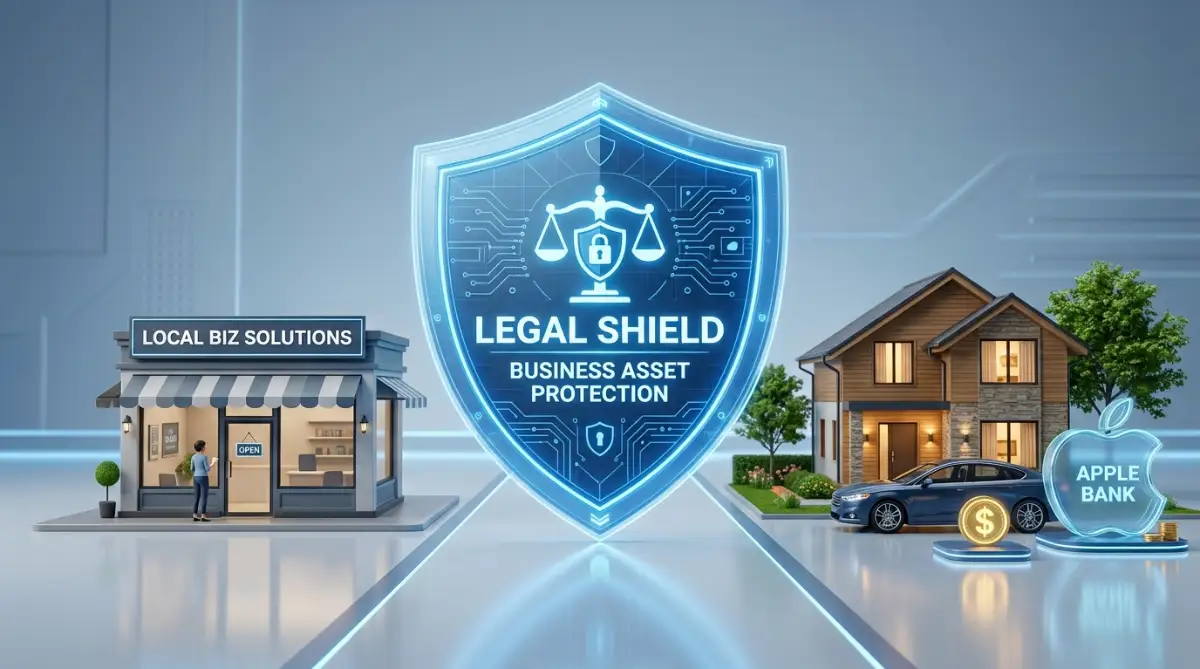
The Danger of Handshake Deals
We all want to believe that people are inherently good and honest. When you start working with a new client or a freelance graphic designer, it feels awkward to force them to sign a massive contract. You have a good chat, shake hands, and assume everything will work out perfectly.
This is a massive trap that catches almost every new entrepreneur. A handshake deal works great until money is suddenly involved and expectations are completely mismatched.
Imagine you hire a developer to build a custom website for your store. You agree to pay them a set amount over a phone call. Two weeks later, the developer delivers a website that looks nothing like what you asked for.
When you ask them to fix it, they demand more money. Because you do not have a written agreement outlining the exact revisions and expectations, you are stuck. You either pay them more or lose the money you already handed over.
Written contracts are not meant to show a lack of trust. They are meant to create absolute clarity for both parties. Learning the basics of understanding contract law and protecting your agreements will keep you safe from painful payment disputes.
A good contract outlines exactly what work will be done, when it will be delivered, and how much it will cost. It also explains what happens if someone wants to cancel the project early. Having this on paper removes all the guesswork and emotional arguments.
You do not need a fancy lawyer to draft a simple agreement. There are plenty of reliable templates available online that you can customize for your specific needs. The key is just getting the terms clearly written down and signed.
My Personal Confession: When I first started out, I did a massive project for a friend of a friend purely on a verbal agreement. When it came time to pay, they suddenly ghosted me for three months. I learned the hard way that true professionals always use contracts, no matter who the client is.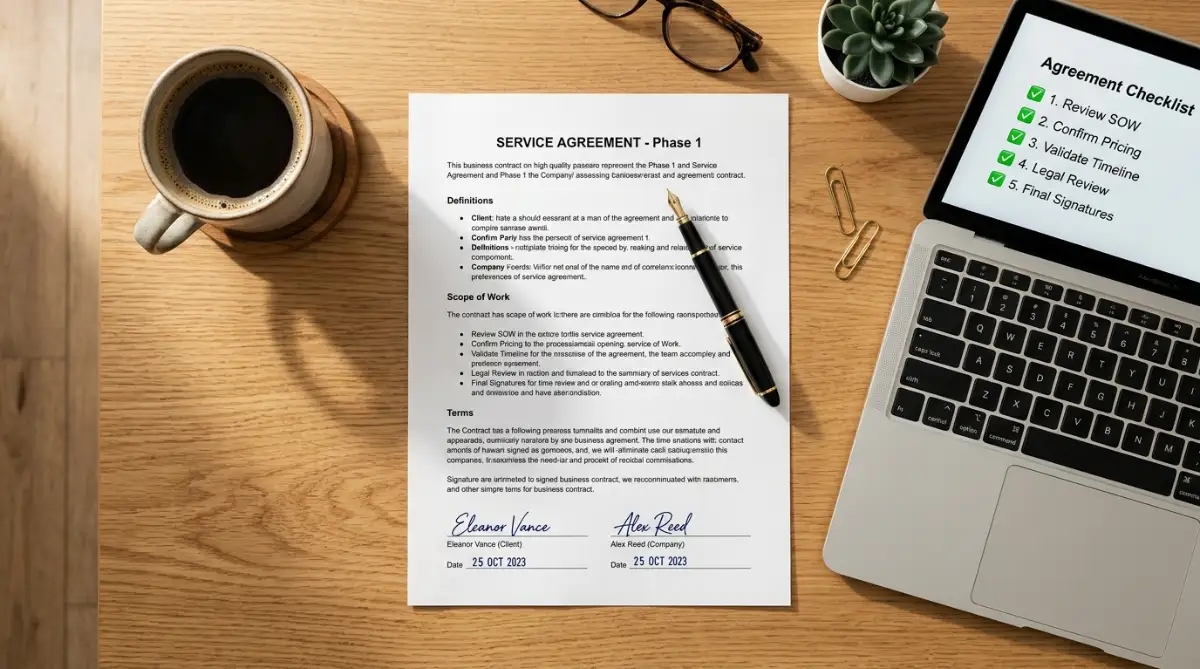
Want to know the easiest way to start drafting simple agreements without getting overwhelmed?
Watch this quick breakdown on creating simple business contracts:
Securing Your Brand Identity Early
Do you remember my story from the beginning of this article? I lost my entire brand because I did not understand Intellectual Property (IP). Your brand name, your logo, and your unique slogans are the most valuable things your business owns.
Many founders think that getting a domain name or a local business license means they own the name. That is a completely false assumption. A domain name just means you rent a specific web address.
If you want to truly own your business name across the entire country, you must file for a registered trademark. A trademark gives you the exclusive legal right to use that specific name or logo in your industry.
If someone else tries to open a similar business with your name, you can force them to stop. But the rule of trademarks is usually "first to file."
This means if you use a name for five years but never register it, someone else can come along, register it, and legally force you to rebrand. They can completely steal the goodwill and reputation you spent years building.
Before you spend a single dollar on fancy business cards or custom packaging, run a thorough search on the official trademark database. Make sure your brilliant name is actually available.
If it is available, start the registration process immediately. You can follow this step-by-step simple legal guide to registering a trademark to make sure your application is filed correctly from day one. It takes a long time to get approved, so getting your application in line is extremely important. It protects your future growth and makes your business far more valuable if you ever decide to sell it.
The Employee vs. Independent Contractor Trap
As your business begins to grow, you will eventually need extra hands to help manage the workload. Bringing on help is exciting, but it introduces a massive legal minefield regarding employment laws.
Business owners often want to hire "Independent Contractors" instead of regular employees. Contractors are cheaper because you do not have to pay payroll taxes, provide health insurance, or offer paid time off. You just pay them for the job and move on.
But the government has very strict rules about who qualifies as an independent contractor. You cannot just label someone a contractor to save money on taxes.
If you control exactly what time a person starts working, provide them with all their tools, and dictate exactly how they do their job, the government considers them an employee. It does not matter what your written agreement says. The actual working relationship is what counts.
Myth: "If they sign a paper saying they are a contractor, I am completely safe."
Reality: The IRS and local labor boards look at the behavioral and financial control you have over the worker. A signed paper will not protect you from massive fines if you misclassify them.
If you are caught misclassifying employees as contractors, the penalties are absolutely brutal. You will be forced to pay back taxes, overtime wages, and massive penalty fees. This single mistake has forced countless small businesses into immediate bankruptcy.
Always review the official guidelines for classification in your local area. If you want someone to act like an employee, you need to hire them as an employee and pay the required taxes. Playing games with employment laws is a guaranteed way to attract a devastating audit.
🔍 Myth vs. Fact: Independent Contractor Rules
- Myth: "If a freelancer signs a contract stating they are a 1099 contractor, the business owner is 100% safe from misclassification fines."
- Fact: Signed contracts mean nothing to labor departments if the working reality shows control. If you set their exact daily working hours, supply their computer and software, and tell them step-by-step how to finish the work, the law considers them an employee.
- Myth: "Paying workers through digital payment apps means I do not have to worry about tax reporting."
- Fact: Payment processors report contractor earnings to the IRS. If you fail to collect a completed Form W-9 and file Form 1099-NEC for contractors earning over USD 600 in a calendar year, you face mandatory penalties and back-tax liabilities.
The Leaky Bucket of Mixed Finances
When you are running a tight budget, it is incredibly tempting to run everything through your personal checking account. You buy business supplies with your personal debit card and deposit customer checks right into your personal savings.
This is known as "comingling funds," and it is one of the most dangerous things you can do. Remember the invisible shield we talked about with the LLC?
If you mix your personal and business money, courts can decide that your business is not actually a separate entity. They call this "piercing the corporate veil." If a judge pierces that veil, your LLC protection completely disappears instantly.
Suddenly, your personal assets are completely exposed to any business lawsuits again. All the money you spent setting up your LLC is completely wasted because you did not respect the financial boundaries.
You must open a dedicated business checking account on the very first day you launch. Every single business expense must come out of that specific account. Every single dollar of revenue must go directly into that account.
If you need to pay yourself, you transfer the money clearly from the business account to your personal account. You label it clearly as an "Owner's Draw" or a salary payment. This leaves a perfectly clear paper trail.
Keeping things separate also makes your life incredibly easy when tax season arrives. You will not have to spend hours trying to figure out if a coffee shop charge was a business meeting or a personal breakfast. Your accountant will love you, and you will save a massive amount of money on bookkeeping fees.
Think of your business as a completely separate person. You would not pay a stranger's grocery bill out of your pocket, so do not mix your money with the business's money. Keep the financial walls tall and strong.
The Invisible Rules of the Digital World
Most of us launch a website and only care about how clean it looks on a phone screen. But the minute you add a simple email newsletter box or Google Analytics to see who visits your shop, you are collecting personal data.
If you collect data without a clear Privacy Policy on your footer, you are actually breaking international laws. Please do not just copy and paste a terms page from your favorite online store. That other company might have completely different refund rules or tracking tools, and claiming things you do not actually do can get you hit with heavy consumer protection fines.
There are plenty of affordable online generators that can help you build a custom policy tailored to your specific website. You also need clear Terms and Conditions.
Your Terms and Conditions act as the rulebook for your website. They protect you if a user abuses your service, leaves harmful comments, or tries to steal your content. It limits your liability if your website crashes and a customer loses money because of it.
Do not treat your website like a casual hobby project. Treat it like a digital storefront that requires the exact same legal protections as a physical brick-and-mortar shop.
Ignoring Local Permits and Zoning Laws
It is incredibly easy to start a business from your spare bedroom or garage. But just because your business is based at home does not mean you are exempt from local regulations.
Every city and county has specific zoning laws that dictate what types of businesses can operate in certain neighborhoods. If you start baking and selling hundreds of cakes from your home kitchen, your local health department is going to want to have a word with you.
Many local governments require a basic home occupation permit. This just lets them know you are running a business out of a residential area.
They want to ensure you are not causing massive traffic jams with delivery trucks or creating excessive noise for your neighbors. If you ignore these permits and an angry neighbor reports you, the city can shut your business down on the spot.
You also need to look into industry-specific licenses. A freelance writer might just need a basic local business license. But a mobile dog groomer, a massage therapist, or a home contractor will need specialized state licenses to operate legally.
Operating without the correct licenses is a massive legal risk. If an incident happens on your property, knowing how to protect your rights with proper accident documentation is essential before claims are filed. If a customer gets hurt and you are operating illegally, your insurance company will absolutely refuse to cover the damages.
Take a single afternoon to call your local city clerk's office. Tell them exactly what you plan to do, and ask them what permits you need. They are usually incredibly helpful and want to see local businesses succeed legally.
Knowing When to Actually Call for Backup
A huge part of being a successful business owner is knowing your own limits. You can use online templates for basic non-disclosure agreements, and you can file your own LLC paperwork if you are careful.
But there are specific moments when trying to save money on a lawyer will end up costing you your entire business. You have to recognize when the stakes are too high for a DIY approach.
If you are taking on business partners and dividing equity, you need a lawyer. Co-founders fight all the time, and a poorly written operating agreement can completely destroy a profitable company.
If you are signing a massive, multi-year commercial lease for a retail space, you need a lawyer. Commercial landlords use extremely complicated contracts designed to protect them, not you. A lawyer can negotiate terms that might save you tens of thousands of dollars over the lease term.
If an employee threatens to sue you for discrimination or wrongful termination, you absolutely must call a lawyer immediately. Employment lawsuits are highly emotional, extremely complex, and heavily favor the employee in many areas.
Think of a good business attorney as an active partner in your growth. If you are unsure where to begin searching, read our guide on how to pick the best attorney and avoid costly mistakes so you find someone who understands your industry. You do not need to keep them on a massive monthly retainer. You just need to build a relationship with one so you have someone to call when things get complicated.
Paying for an hour of expert advice today is infinitely cheaper than paying for a week-long court trial down the road. Learn what to expect when meeting a lawyer for the first time to get the most value out of your initial legal consultation. Protect your hard work, respect the rules, and give yourself the peace of mind you truly deserve.
The Magic of Non-Disclosure Agreements (NDAs)
Imagine you have spent six months developing a brand new product that is going to change your industry. You are excited, and you want to start getting quotes from manufacturers. You jump on a video call, explain your entire concept, and send them your design files.
A month later, you see a suspiciously similar product pop up on a massive e-commerce site. The manufacturer took your brilliant idea and sold it to someone else. Because you never asked them to sign a Non-Disclosure Agreement, you have almost no legal power to stop them.
An NDA is simply a legal promise to keep a secret. It tells employees, contractors, or potential partners that they cannot share your private business information with anyone else.
Many new entrepreneurs feel incredibly awkward asking people to sign these documents. They worry it makes them look paranoid or difficult to work with.
Pro Tip for Handling NDAs: I used to get so nervous asking partners to sign legal papers because I hated feeling like the "bad guy." I finally realized that true professionals actually respect you more when you protect your assets. Just smile and say, "My legal advisor requires this for all our new partnerships to keep everything clean and professional." Blame it on the process, and suddenly, it is not awkward at all.
You do not need an NDA for every casual conversation. But the moment you start sharing customer lists, financial data, or unique product designs, you must get that signature.
Avoiding the Website Accessibility Trap
This is a hidden danger that catches thousands of small online businesses completely off guard. You probably know that physical stores need wheelchair ramps and accessible bathrooms. But did you know your website has similar requirements?
Laws require digital storefronts to be accessible to people with disabilities. If a visually impaired person cannot use screen-reading software to navigate your online store, you are actually breaking the law.
Law firms are actively scanning the internet for small business websites that ignore these rules. When they find one, they send a massive demand letter threatening a lawsuit unless you pay a hefty settlement.
Fixing your website to be accessible is usually very simple and affordable. You can install specific plugins that adjust color contrast, text size, and keyboard navigation. Taking a few hours to ensure your site is friendly to everyone will protect you from a surprise legal demand.
Creating a Bulletproof Document Retention Plan
How long do you keep your old business receipts, canceled contracts, and employee records? If you are like most people, you either throw everything away immediately or keep a giant, messy box of papers in your garage forever. Both habits are incredibly dangerous.
If the government ever audits your tax returns, they will demand to see receipts and bank statements from years ago. If you threw them away, they will automatically assume you are hiding something and hit you with massive penalties.
On the flip side, keeping old employee records for decades can expose you to privacy violations if your digital storage gets hacked. You need a simple, clear system for keeping exactly what you need and securely destroying the rest.
Here is a simple, real-world breakdown of what you should keep and for how long:
Start scanning your important physical papers and saving them on a secure, encrypted cloud drive. Label everything clearly by the month and year. This tiny administrative habit will save you a massive headache if a legal dispute ever pops up.
Mastering the Art of "Fair Use"
When you are creating content for your business blog or social media pages, it is tempting to just grab cool pictures from a quick internet search. You might think that because an image is online, it is free for anyone to use. This is a very expensive misunderstanding.
Almost every photo, song, and video on the internet is protected by copyright law the moment it is created. If you use a copyrighted photo on your business website without permission, the original owner can demand thousands of dollars in damages.
Do not try to argue that you are giving them "free exposure." The law does not care about exposure; it cares about property rights.
Always use dedicated stock photo websites that clearly offer commercial licenses. If you are hiring a social media manager, make absolutely sure they understand these rules too. You are the business owner, which means you are ultimately the one responsible if they steal a picture for your Instagram page.

The "One-Size-Fits-All" Template Disaster
It happens all the time. A business owner needs a contract for a new client. Instead of consulting an expert, they search online and download a free PDF template they found on a random forum.
They fill in the blanks, sign it, and think they are perfectly protected. Two years later, a major dispute happens with that client. The business owner proudly takes that free contract to court, expecting to win easily.
The judge looks at the document and throws it out entirely. Why? Because the template was originally written for a real estate company in another country, and the laws do not match local business rules at all.
Using random legal templates from unverified sources is like taking someone else's prescription medicine. It might look official, but it is completely wrong for your specific situation.
If you are going to use online templates, you must get them from highly trusted, premium legal services that update their documents based on current local laws. Trying to save fifty dollars on a generic contract today can cost you fifty thousand dollars in court tomorrow.
If you want to read more about understanding basic contract law principles, Cornell Law School's overview on contracts is a fantastic place to start learning how these agreements actually work in the real world.
Treating State Compliance Letters Like Junk Mail
When you register a formal business entity, the state government expects you to check in with them regularly. Most local governments require you to file a simple annual report and pay a small renewal fee, usually around USD 50 to USD 100.
Because these official letters often look boring, busy entrepreneurs just toss them in the trash, assuming they are spam or optional marketing. This is a fatal error.
If you miss your annual state filings, the government will administratively dissolve your business. This means your LLC officially stops existing. But nobody calls you to tell you this happened.
You keep operating your store, completely unaware that your legal protection is gone. If someone trips on a wet floor in your shop during this time, they will sue you personally. Because the state canceled your LLC for missing a simple USD 50 payment, you could literally lose your family home over a spilled cup of water.
Always open mail from your state government immediately. Put your annual filing deadlines on your digital calendar right now and set three loud reminders. Never let a tiny administrative fee destroy your entire corporate shield.
The Toxic "Co-Founder Handshake"
Going into business with a close friend or family member starts with pure excitement. Because you trust each other, you shake hands, grab coffee, and agree to split everything down the middle.
Fast forward six months. You are grinding eighty hours a week handling furious customer calls and packing boxes at midnight, while your friend pops in for two hours on Saturday. When you bring up changing the pay split, they get angry and point to your original handshake. I have watched lifelong friendships blow up within weeks because they never signed an Operating Agreement explaining what happens when someone stops pulling their weight. Write down roles and equity before you make your first dollar.
For a deeper dive into choosing the right legal structure for your business, you should review the Small Business Administration's guide to choosing a business structure to see exactly how partnerships and single-member entities differ in the eyes of the law.
Playing Games with the Tax Man
During slow months, it is tempting to look at the sales tax you collected or the money withheld from worker paychecks as spare cash. You tell yourself you are just borrowing it to pay the rent and will put it back next week.
Never touch that money. In the eyes of the government, that is not your money—you are simply holding it for the state. If your business goes under, standard business debt can be settled. But tax money never goes away. Tax collectors will look right past your LLC and freeze your personal bank account until every cent is returned with heavy interest. Keep all tax collections in an untouchable sub-account.
Frequently Asked Questions About Business Legal Safety
Q1: Can I run a profitable business as a Sole Proprietor instead of forming an LLC?
Yes, you can legally operate as a sole proprietor, but doing so leaves your personal finances completely unprotected. If a customer slips in your shop, gets sick from your product, or sues over a broken contract, a court can seize your personal checking account and family home. To keep your long-term assets safe, explore the best ways to protect your wealth and reduce probate costs.
Q2: Does buying a .com domain name protect my business name legally?
No. Buying a website address simply reserves that specific URL on the web. It provides zero legal trademark protection. To legally prevent others in your industry from using your brand name, you must apply for a registered trademark with your national trademark office.
Q3: What is the single fastest way to lose the legal protection of my LLC?
The fastest way to lose protection is by commingling your finances. If you swipe your personal card for business supplies or deposit client payments directly into your private savings, a judge can pierce your corporate shield and hold you personally liable for business debts.
Q4: Do I need a lawyer to draft every single basic client contract?
Not necessarily for straightforward services. You can use reliable, attorney-vetted templates for standard projects, provided they match your local state laws. However, when taking on business partners, signing commercial multi-year property leases, or dividing company equity, hiring a licensed lawyer is essential.
Q5: What happens if I forget to submit my state's annual LLC report?
If you miss filing your annual report and paying the state maintenance fee (usually USD 50 to USD 300), the state government can administratively dissolve your entity. Your LLC stops existing legally, and your personal asset protection vanishes overnight without warning.
Your Blueprint for a Secure and Stress-Free Future
Running a business is already one of the hardest things you will ever do. You have to handle marketing, customer complaints, broken equipment, and late-night accounting. You do not need the heavy shadow of a potential lawsuit ruining your daily peace of mind.
The beauty of everything we discussed today is that none of it is actually complicated. You do not need to read thick law books or spend your weekends studying court cases. You just need to build a few simple, protective habits into your daily routine.
Start by getting your legal structure properly set up and strictly separating your money. Force yourself to use simple, clear written contracts for every single person you do business with. Protect your ideas, respect the rules of the internet, and never ignore official letters from the government.
When you take these small, deliberate steps, you build a massive wall of protection around your hard work. You can finally stop worrying about what might go wrong and focus entirely on making things go right.
I know exactly how overwhelming it feels to look at a mountain of administrative tasks when you just want to focus on your passion. But I also know the incredible relief of finally having my business properly protected and secured. You owe it to yourself, your family, and your future to get this right. Take a deep breath, pick one single task from this list, and get it done today. Your future self will be incredibly grateful you took the time to protect your dream.
Disclaimer:
The information provided in this article is for educational and informational purposes only and does not constitute formal legal advice. Laws vary significantly by location and change frequently. Always consult with a qualified, licensed attorney in your specific jurisdiction before making any major decisions regarding your business structure, contracts, or compliance requirements.