When Your Rental Becomes a Headache: How I Solved My Landlord Problems Without Stepping Into Court
Three winters ago, I woke up at 2:00 AM to the sound of rushing water. A pipe had burst right under my kitchen sink, soaking the cabinets and ruining the floorboards. When I called my landlord in a panic, expecting quick help, he blamed me on the spot and threatened to evict me if I didn't pay for the full repair out of pocket.
My stomach dropped. I felt trapped, helpless, and completely alone in my own home. I almost paid thousands of dollars just to keep the peace because I was terrified of getting a black mark on my renting record. But instead of breaking down or hiring an expensive lawyer, I took a step back, started documenting every single detail, and learned how to talk to my landlord like a business partner.
That painful night taught me a lesson I will never forget: you do not need an ugly courtroom fight to stand up for yourself. In this guide, I will share the exact, practical steps and real-world methods you can use to protect your security deposit, get repairs fixed on time, and settle rental arguments peacefully on your own terms.
📌 Quick Key Takeaways: What You Need to Know
- Never Rely on Spoken Words: Always follow every phone call or hallway talk with a quick email or text to create an undeniable written record.
- Keep Cool to Win Deals: Emotional outbursts and angry late-night texts will only hurt your case in front of a third party or mediator.
- Mediation Saves Real Money: Community mediation programs help both parties settle disputes for a tiny fraction of legal fees in just a few days.
- Never Stop Rent on Your Own: Withholding rent without an official court-approved escrow account can result in a fast eviction. Always follow the formal process.
The Hidden Power of a Paper Trail
Keeping Every Text and Email
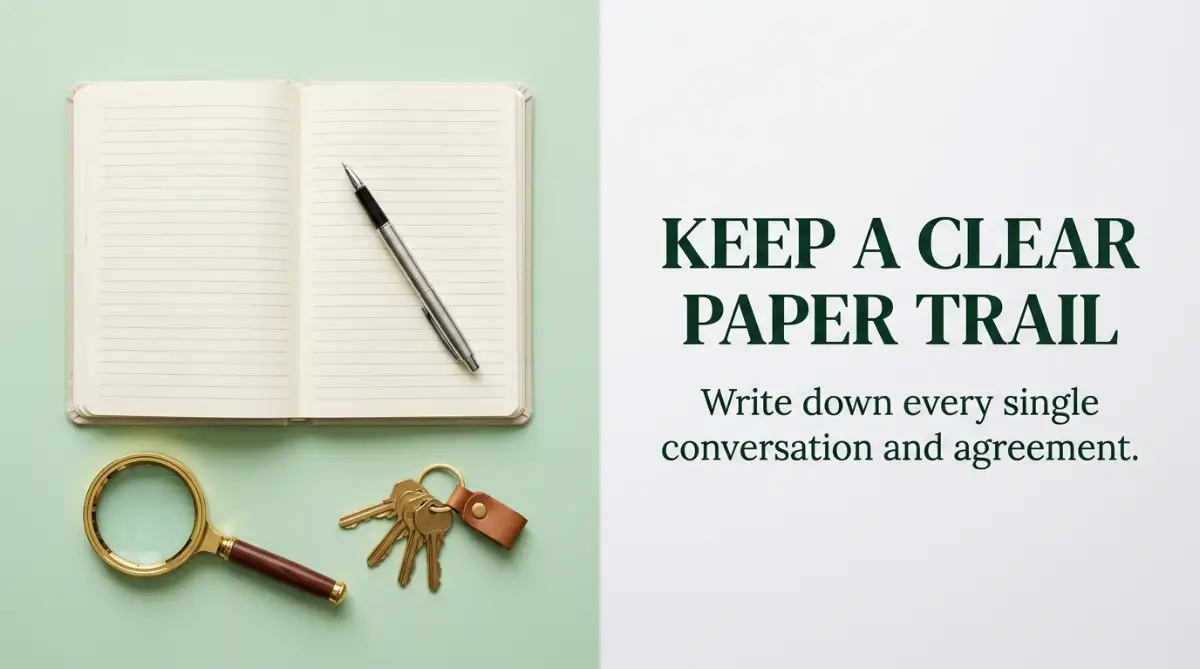
One of the most important things you can do is write everything down. If you only talk on the phone, you have no proof of what was said. Always follow up a phone call with a quick text or email.
You can write a simple message to confirm what you talked about. For example, write down the date, time, and what your landlord promised to fix. This keeps both sides honest and prevents future lies.
Store all these messages in a safe folder on your phone or computer. Do not delete your chat history, even if you are angry. These simple records are your best shield if things get difficult later.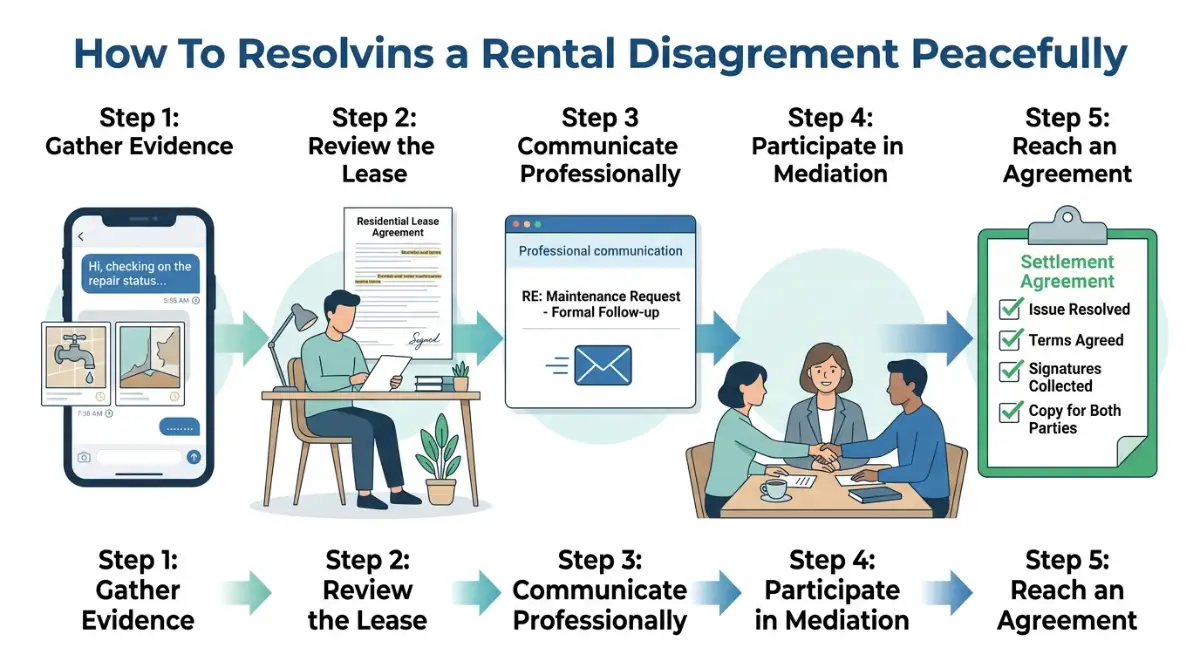
Taking Photos of Everything
A picture is worth a thousand words when it comes to rental properties. Take clear photos of any issues the day you move in. Do the same thing on the day you move out.
If a pipe leaks or a wall cracks, take a photo immediately. Make sure the photo has a digital date stamp on it. Learning how to protect your legal rights with proper documentation ensures that nobody can argue about when or how the damage happened.
You should also keep copies of all receipts. If you pay for a small repair yourself, save the bill. Having these photos and receipts ready will show your landlord that you are prepared and serious.
Changing How We Talk to Each Other
Keep Emotions Out of Your Messages
When your hot water stops working in the middle of winter, it is totally normal to feel furious. But firing off an angry, all-caps text message is the fastest way to get your landlord to ignore you. When people feel attacked, their walls go up and they stop looking for practical solutions.
I learned this the hard way after sending a heated email that delayed my radiator repair by two weeks. Treat your landlord like an everyday business contact, not your enemy. If you feel your blood boiling, step away from your phone for sixty minutes. Draft your message, read it again with a cool head, and stick strictly to the facts: what is broken, when it started, and what the lease says about getting it fixed.
Setting a Neutral Meeting Ground
If you need to talk about a big issue, do not do it in a hurry. Ask your landlord to meet for a quick talk. You can meet at a local coffee shop or another quiet public place.
Meeting in public keeps everyone on their best behavior. It prevents shouting matches and keeps the focus on the actual problem. Make sure you bring your notes and photos with you to the meeting.
If you want to see exactly how a real mediation session works, check out this highly helpful video guide. It shows the step-by-step process of resolving a rental dispute peacefully.
I once made the mistake of agreeing to a repair cost over a quick phone call. My landlord later claimed I agreed to pay for the whole roof replacement. Now, I always send a quick text right after any call to confirm what we decided. It keeps things clear and saves so much stress.
Understanding Your Lease Agreement
Checking the State and Local Rules
Your lease agreement is the most important paper you have. It is the rulebook that both you and your landlord must follow. Just like understanding basic contract law and your legal rights, reading through your lease carefully shows you who is responsible for what.
Sometimes, local laws are different from what is written in your lease. Local city housing laws always beat a signed contract if the contract has illegal rules. You can find these rules on your local government website easily.
Many cities have free tenant handbooks online. These handbooks explain your rights in very simple language. Knowing these rules gives you the confidence to speak up for yourself.
Spotting Illegal Clauses in Your Contract
Landlords sometimes put unfair terms in a lease. For example, they might say they can enter your home whenever they want. In almost all places, this is completely against the law.
Another common trick is trying to make tenants pay for all basic wear and tear. Legally, landlords must keep the building safe and livable. If you find an illegal clause, point it out gently but firmly.
You can say that you want to follow the local housing laws. Most landlords will back down when they see you know your basic rights. This keeps the playing field level for both sides.
(Note: If you run a shop or small office space instead of an apartment, you can also learn how to read a commercial lease agreement on your own to spot hidden traps early.)
🔍 Myth vs. Fact: Renter Rights Explained
Myth: "If a clause is written and signed in my lease agreement, it is 100% legal and binding no matter what."
Fact: Local, state, and national housing laws always override private lease agreements. If your landlord includes a clause stating they can enter your home without 24-hour notice or that you waive your right to a habitable property, that clause is legally void.
Myth: "Landlords can deduct cleaning fees from my security deposit automatically when I leave."
Fact: A landlord cannot legally deduct money for standard cleaning if you return the home in the same general state of cleanliness as when you received it (minus expected everyday wear).
Myth: "If the heat breaks, I have the legal right to instantly stop paying my rent check."
Fact: Unilateral rent withholding can get you evicted in most areas. You must follow statutory notice periods or open a formal, court-managed rent escrow account.
Solving the Most Common Fight: Repairs and Maintenance
Who Pays for What?
Repairs are the number one cause of fights between landlords and tenants. The general rule is simple and easy to understand. Landlords pay for major structural items and wear from normal use.
This includes things like the heater, hot water, plumbing, and roof. Tenants are usually responsible for damage they cause by accident or neglect. For example, if you drop a heavy tool and crack a tile, you should pay to fix it.
If a lightbulb burns out, that is usually your job to replace. Understanding this line prevents unnecessary arguments. Always check your lease to see if there are specific rules for small repairs.
The Repair and Deduct Method
In some areas, you can use a method called "repair and deduct." This means if your landlord ignores a repair, you can hire a professional yourself. You then subtract that cost from your next rent payment.
But you must be very careful before you do this. You must give your landlord written notice and a reasonable amount of time to fix it first. You also need to keep the repair receipts to show the exact cost.
Check your local laws to see if this method is allowed in your area. If it is not allowed, doing this could get you evicted for not paying rent. Always use this as a last option after trying to talk first.
The Battle Over the Security Deposit
Normal Wear and Tear vs. Real Property Damage
Security deposits are where most landlord-tenant fights break out. Many property owners try to use your hard-earned deposit to pay for routine turnover costs, like repainting faded walls or vacuuming older carpets. Legally, they cannot charge you for normal, everyday wear.
Normal wear covers small things that naturally happen over time, like slight scuffs along hallway baseboards, sun-faded blinds, or loosened cabinet hinges. Actual damage means genuine neglect or accidents, such as pet stains on hardwood, holes punched in drywall, or broken windows. When you move into a new place, walk room-by-room with your camera, note every tiny existing scratch on a checklist, and get your landlord to sign it immediately.
Writing a Strong Demand Letter
If your landlord refuses to return your deposit, do not panic. Write a formal demand letter asking for the money back. State the exact amount they owe you and refer to your lease.
Give them a reasonable deadline to return the funds, like ten days. Mention that you have photos of the clean apartment from the day you left. Send this letter through certified mail so you have proof they received it.
Often, receiving a formal letter makes landlords realize you will not give up easily. They would rather pay you than deal with the hassle of a legal fight. It is a highly effective way to get your money back.
Bringing in a Friendly Third Party (Mediation)
What is Community Mediation?
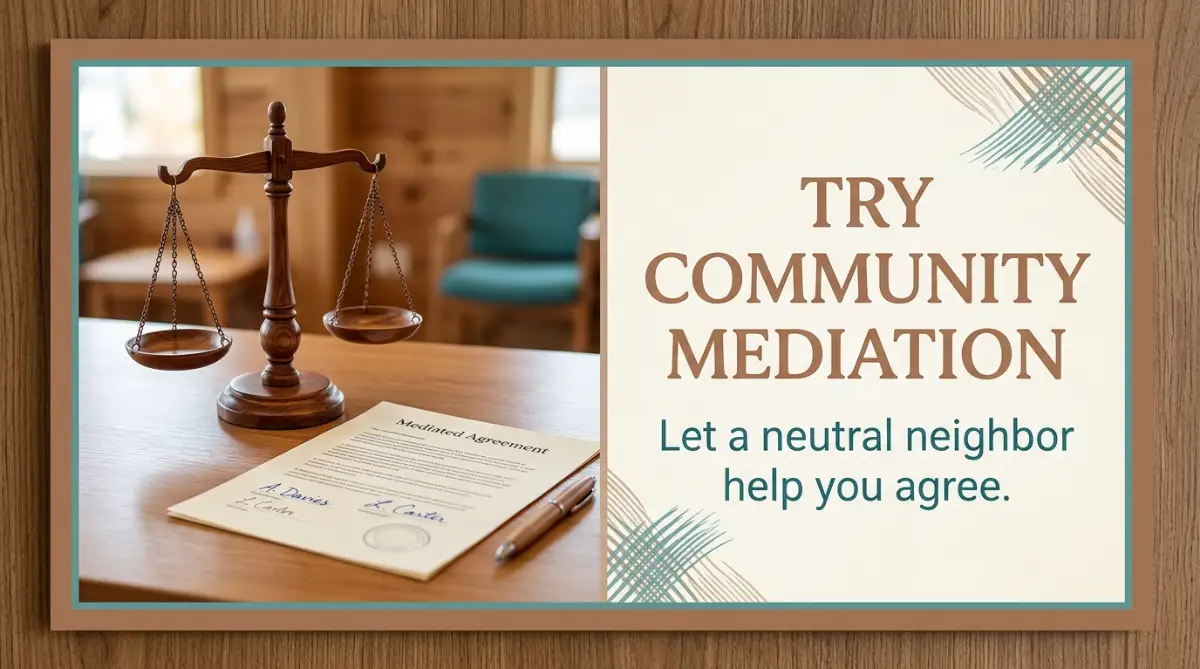
If you and your landlord cannot agree, you do not have to go to court. You can try a service called community mediation instead. Many cities offer this service for free or for a very small fee.
A mediator is a trained, neutral person who helps both sides talk. They do not take sides or decide who is right or wrong. Instead, they help you find a middle ground that works for everyone.
This process is much friendlier than a courtroom. It allows both sides to explain their feelings and needs without fear. It is a highly peaceful way to solve tough problems.
What to Expect in a Mediation Session
A mediation session usually happens in a comfortable room or online. The mediator will ask each person to tell their side of the story. You will both have a turn to speak without being interrupted.
The mediator will then help you list the main areas where you agree. From there, you will work together to build a compromise. The entire process usually takes just a few hours.
If you reach an agreement, the mediator will write it down. Both you and your landlord will sign this paper. This signed paper becomes a new, binding agreement that protects you both.
Comparing Costs: Court vs. Out-of-Court
To see why settling outside of court is best, let us look at the real costs. Going to court takes time, money, and lots of energy. Settling things peacefully keeps your life simple.
Below is a direct comparison of what you can expect from both paths.
As you can see, the peaceful path is much better for your wallet and your mind. You keep control of the situation and avoid bad marks on your rental history.
Creating a Written Settlement Agreement
Making Sure the Deal is Binding
Once you and your landlord agree on a solution, write it down. Never rely on a verbal promise or a simple handshake. A written agreement protects both of you from future misunderstandings.
Write down the terms of the agreement in plain, simple English. Include the date, the names of both parties, and the specific actions required. For example, write down the exact date the landlord will complete the repairs.
Have both parties sign and date two copies of the document. Keep one copy for your records and give the other to your landlord. This simple piece of paper makes the deal official and legally binding.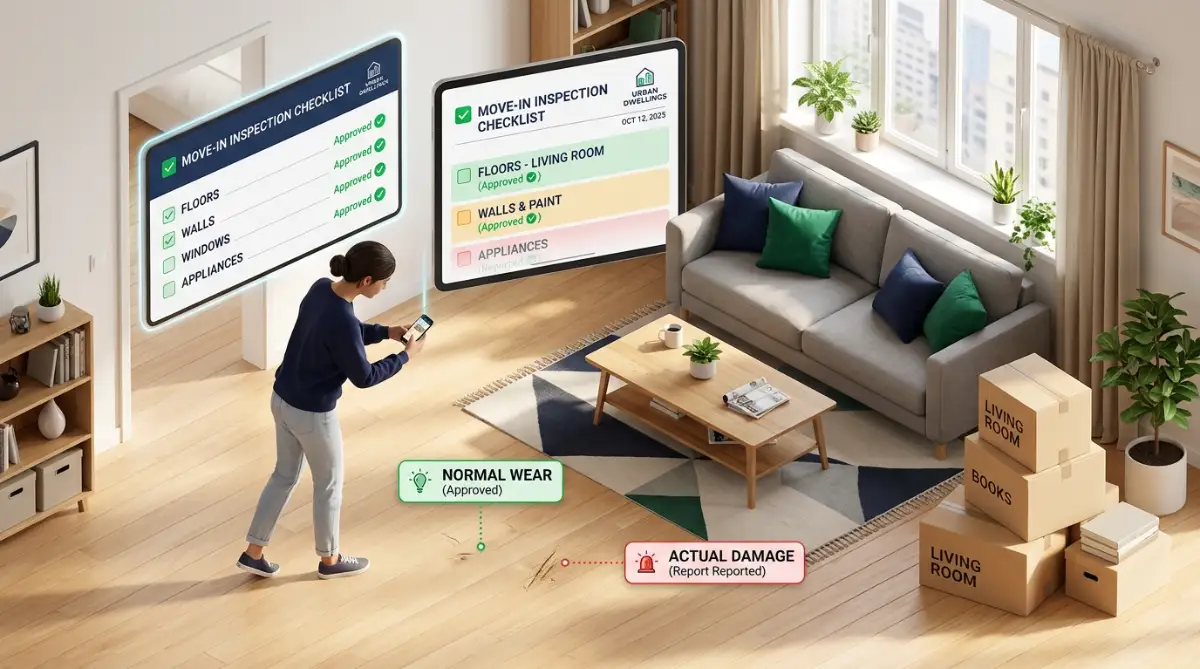
Moving Forward with Peace of Mind
Solving a dispute without court lets you keep a professional relationship with your landlord. This is highly important if you plan to live in the home for a long time. It also ensures you get a good reference when you eventually move out.
You will feel a huge sense of relief once the issue is settled. The dark cloud of worry will lift, and your home will feel like home again. You can focus on your life, your family, and your work.
Remember that most rental problems come down to poor communication. By staying calm, keeping records, and talking openly, you can handle almost any issue. Use these tips to protect your peace, your pocketbook, and your home.
Smart Strategies to Keep the Peace Long Term
Creating a Detailed Move-In Inspection Video
When you first sign a lease, you might feel excited to move your boxes inside. But before you carry a single chair through the front door, grab your mobile phone. Record a continuous, high-definition video of every single corner of the property.
Walk slowly through each room and point out every scratch on the floor or mark on the wall. Open and close every window, turn on the faucets, and check the inside of the oven. Speak clearly during the recording to explain exactly what the camera is showing.
Once the video is done, upload it to a secure cloud storage folder immediately. Send the link to your landlord in a polite email on your very first day. This acts as an undeniable record that will protect you when you finally decide to move out.
Setting Up a Dedicated Communication Channel
Fires, leaks, and noise complaints often happen at the worst possible times. If you try to manage these issues using your personal phone number, things can get messy. Create a separate, free email account just for your rental property business.
Use this email address for every message, repair request, and rent payment receipt. It keeps your rental life completely separate from your personal life and your work messages. If a disagreement ever starts, you can print the entire email chain with one click.
Also, try to avoid sending text messages late at night unless it is an absolute emergency. Setting healthy boundaries makes your landlord respect your time much more. It shows them that you treat your rental agreement like a professional business relationship.
Understanding the Power of Rent Escrow Accounts
Sometimes, a landlord refuses to make necessary repairs that keep the home safe. When this happens, you might feel tempted to simply stop paying your monthly rent. This is a massive trap that can get you evicted very quickly.
Instead, find out if your city allows you to set up a rent escrow account. An escrow account is a special bank account run by a local court or housing agency. You pay your rent money directly to the court instead of your landlord.
The court holds the money until the landlord fixes the problems in your home. This proves that you have the money and are willing to pay for your housing. You are simply waiting for the landlord to do their legal duty first.
You can look up the specific guidelines for your area on the US Department of Housing and Urban Development website. Using the official legal system this way shows that you are a smart and responsible tenant. It also motivates the landlord to fix the issues quickly to get their money.
Organizing a Tenant Support Group
If you live in a large apartment building, you are probably not the only one with problems. Often, many neighbors face the same broken elevator or dirty common areas. Talking to each other is a great way to find strength in numbers.
Create a simple online group chat or host a quick weekend meeting in a local park. Share your experiences with different repair issues and landlord responses. If everyone writes a polite, joint letter about a shared problem, the landlord cannot ignore it.
A united group of renters is much harder to bully than a single person. You can also share the costs of simple tools or local legal advice if you need to. Working together helps build a safer and friendlier community for everyone in the building.
Checking Your Local Rent Control Laws
Many cities have very strict rules about how much a landlord can raise your rent each year. Landlords sometimes try to raise the rent beyond these limits, hoping you do not know the rules. Take an hour to research the rent stabilization laws in your specific town.
If your landlord sends you an unfair rent increase, do not argue or get angry right away. Simply reply with a polite email asking them to explain how the new price matches local laws. Most landlords will quickly fix their mistake if they see you understand the local guidelines.
You can find more details about local rental rules by reading understanding state landlord tenant laws on trusted legal advice sites. Being highly informed keeps you from paying more than your fair share. It also stops landlords from taking advantage of your quiet nature.
Doing Regular Maintenance Walks Together
Do not wait for a major emergency to talk to your landlord about the state of the home. Ask them to join you for a quick, ten-minute walk through the property twice a year. This shows them that you care about keeping their investment clean and safe.
Point out small things like a slightly loose handrail or a small drip under the sink. Fixing these small issues prevents them from turning into massive, expensive disasters later. It is a win-win situation for both you and the property owner.
Your landlord will appreciate that you are helping them protect their building from long-term damage. These regular, positive visits build trust and make future discussions much easier. It makes them view you as a helpful partner rather than just another tenant.
Dangerous Moves That Can Ruin Your Case
The Danger of Holding Back Your Rent on Your Own
When your landlord ignores repair requests for weeks, you might feel like holding back your rent check until they show up. It feels like the only weapon you have left. Please do not fall into this trap—it is one of the quickest ways to ruin your rental record.
In almost every jurisdiction, refusing to pay rent without an approved escrow system gives the property owner an open door to start eviction proceedings against you. Even if the judge agrees that your landlord was negligent, an eviction filing on your public background report will make it extremely tough to rent another apartment for years. Keep paying your rent on time while you look into official mediation programs or court-approved escrow accounts.
Letting Your Anger Take Control of Your Keyboard
It is late at night, your heater is broken again, and you are shivering in your living room. You feel a wave of hot anger and grab your phone to type out a furious text message. You call your landlord lazy, use bad language, and make wild threats about taking them to court.
Sending this message might make you feel better for five minutes, but it will hurt you for months. Your landlord can easily print this message and show it to a judge or a mediator. It makes you look like an unreasonable, aggressive person who is difficult to deal with.
A judge will not care that you were cold; they will only see your rude and threatening words. Always write every message as if a judge will read it aloud in a quiet courtroom. Keep your tone cold, businesslike, and focused entirely on the facts of the situation.
Making Verbal Agreements on the Go
You run into your landlord in the hallway, and they promise to give you a discount on next month's rent. They say it is to make up for the noisy construction work next door. You smile, thank them, and walk away feeling very happy with the deal.
But when next month comes, they send you a notice saying you did not pay your full rent. When you remind them of their promise, they claim they never said any such thing. Without written proof, you have absolutely no way to defend yourself against their claim.
Never accept a verbal promise about rent money, repairs, or lease dates. Even if you trust your landlord completely, always ask for a quick confirmation in writing. A simple text message saying "Thanks for agreeing to the USD 100 discount today" is all you need.
Damaging the Property out of Anger
When a landlord treats you unfairly, you might feel a deep urge to get even with them. You might think about kicking a door, leaving the water running, or refusing to clean up a spill. You tell yourself that they deserve to pay for their bad behavior.
This is a terrible mistake that will destroy your chances of winning any legal argument. Any damage you cause to the property is a direct violation of your lease agreement. Your landlord can sue you for the cost of the repairs and even call the police for property damage.
You will also lose your entire security deposit and end up owing the landlord even more money. Keep your home in beautiful condition, no matter how badly your landlord behaves. Your clean, undamaged home is your strongest weapon when you are trying to resolve a fight.
Ignoring Formal Notices and Letters
Sometimes, the stress of a rental fight can make you want to stick your head in the sand. You might see a certified letter from your landlord's lawyer and decide to leave it unopened on your counter. You think that if you do not read it, the problem will somehow go away.
Ignoring official mail or court papers is a fast track to losing all your legal rights. If you do not answer a court notice, the judge will automatically rule in favor of your landlord. This can lead to a sudden eviction notice from the local sheriff's office.
Always open and read every single piece of mail from your landlord or their legal team immediately. Write down any deadlines mentioned in the letters on your main calendar. Facing the problem directly is the only way to protect your home and your peace of mind.
Frequently Asked Questions About Landlord-Tenant Disputes
1. What is the very first step I should take when a dispute starts?
Start by gathering all relevant physical evidence and saving it to one secure digital folder. Take time-stamped photos or videos of the issue, review the specific clauses in your signed lease, and draft a calm, polite message detailing the problem and requesting a specific fix date.
2. How long does a landlord typically have to make essential repairs?
In most jurisdictions, landlords are given between 24 to 48 hours for urgent, emergency repairs like broken winter heating, gas leaks, or major plumbing backups. For non-emergency repairs like a broken dishwasher or screen door, standard local guidelines usually allow 14 to 30 days.
3. How does community mediation work for renters?
Community mediation brings you and your property owner together with a trained, neutral third party who does not pick sides or make binding orders. The mediator guides the conversation so both people can negotiate a practical compromise, draft a settlement agreement, and avoid court costs.
4. Can my landlord evict me simply for asking for repairs?
No, retaliatory eviction is illegal under housing law in almost every state and region. If your landlord raises rent, reduces services, or issues an eviction notice right after you make a formal, written maintenance complaint, housing authorities consider that unlawful retaliation.
5. What should I do if my landlord refuses to return my security deposit?
Send a formal, certified demand letter stating the exact amount owed, quoting the relevant section of your lease, and attaching your move-in and move-out photo evidence. Give them a strict 10 to 14-day timeline to return the funds before you file with a free local mediation service or housing board.
Your Clear Action Plan for a Peaceful Home
Taking Back Control of Your Rental Life
Dealing with a landlord-tenant fight can feel like a heavy storm hanging over your head. But you have the power to clear the air and find a peaceful path forward. By staying calm, keeping records, and using mediation, you can solve almost any rental problem.
You do not need to spend thousands of dollars on lawyers or spend months in a stressful court room. If your situation becomes severe and you eventually need legal counsel, make sure you know how to pick the best attorney to avoid costly mistakes. Most owners would rather settle things quietly and keep a good tenant in their property. It just takes patience, clear communication, and a solid understanding of your local rules.
Begin by writing down your issues today and gathering your photos into one safe folder. Reach out to your landlord with a polite, professional message to start a constructive conversation. You will be surprised at how quickly things can change when you approach them with calm confidence.
Simple Steps to Settle Any Issue
- Step One: Gather all your emails, text messages, and photos in one safe digital place.
- Step Two: Research your local rental guidelines to see what the law says about your specific problem.
- Step Three: Write a polite, factual letter to your landlord explaining the issue and offering a fair solution.
- Step Four: If they refuse to listen, look for free community mediation programs in your local neighborhood.
- Step Five: If you must, use a rent escrow account to pay your rent legally through the local court.
A Personal Word from My Journey
I know how scary it feels to face a landlord who has more money and power than you do. I spent many sleepless nights worrying about my own living situation and my lease. But once I started keeping clear records and speaking calmly, everything changed for the better.
I was able to get my full security deposit back and have my apartment repairs done properly. You can absolutely do the same thing for your home and your family starting today. Take a deep breath, gather your records, and take that first peaceful step forward.
Your peace of mind is worth the effort, and you have the strength to handle this.
📚 Recommended Legal & Everyday Protection Guides
Looking to protect your family, assets, or business from unexpected legal troubles? Check out our straightforward, step-by-step guides below:
🏢 Small Business & Legal Setup
- Can You Legally Form a Business Without a Lawyer? — A practical walkthrough to set up your business properly.
- How to Protect Your Small Business From Hidden Legal Disasters — Simple safety steps to keep your company safe from lawsuits.
👨👩👧 Family, Estate & Asset Protection
- What is a Power of Attorney? — The complete beginner guide to protecting your family’s decisions.
- What Happens If You Die Without a Will? — How to secure your hard-earned property for loved ones.
- Protect Your Wealth: Best Ways to Reduce Probate Court Costs — Smart strategies to avoid hefty legal fees.
- The Ultimate Document Checklist for a Stress-Free Divorce — Essential paperwork you need ready in advance.
💡 Intellectual Property & Online Security
- Trademark vs. Patent vs. Copyright — Clear differences explained so you choose the right protection.
- How to Register a Trademark: Step-by-Step Guide — Secure your brand name and logo easily.
- Stop Digital Theft: Easy Ways to Secure Your Online Work — Practical steps to prevent unauthorized copying.
Disclaimer
This article is for informational purposes only and does not constitute formal legal advice. Housing laws vary greatly by state, city, and country. If you are facing an active eviction or have serious legal questions, please consult with a qualified local attorney or a free legal aid society in your area. You can also read our quick guide on what to expect when meeting a lawyer for the first time to show up fully prepared.