Why I Finally Walked Away From Traditional Banks (And What I Do Instead)
Three years ago, I stared at my laptop screen at 2:00 AM with a knot in my stomach. A five hundred USD client payment was completely frozen. I had bills due the next morning, but my bank flagged the deposit as "suspicious activity." When I called their helpline, I spent forty-five minutes listening to scratchy elevator music, only for an agent to tell me, "Sir, the branch manager has to review this on Monday."
That was my breaking point. I worked sixty hours that week, but a random stranger behind a mahogany desk held the keys to my own sweat and time. On top of that, they charged me a thirty-five USD fee just to wire the funds across borders. It felt like highway robbery.
I knew right then that I had to find a different path. I needed a setup where my money belonged to me, not a corporation that clocks out at 5:00 PM on Friday. That painful night pushed me headfirst into open digital finance. If you have ever felt helpless watching banks drain your hard-earned cash with hidden charges and endless delays, you are not alone. Let me show you how everyday folks are taking back total control of their financial lives without asking anyone for permission.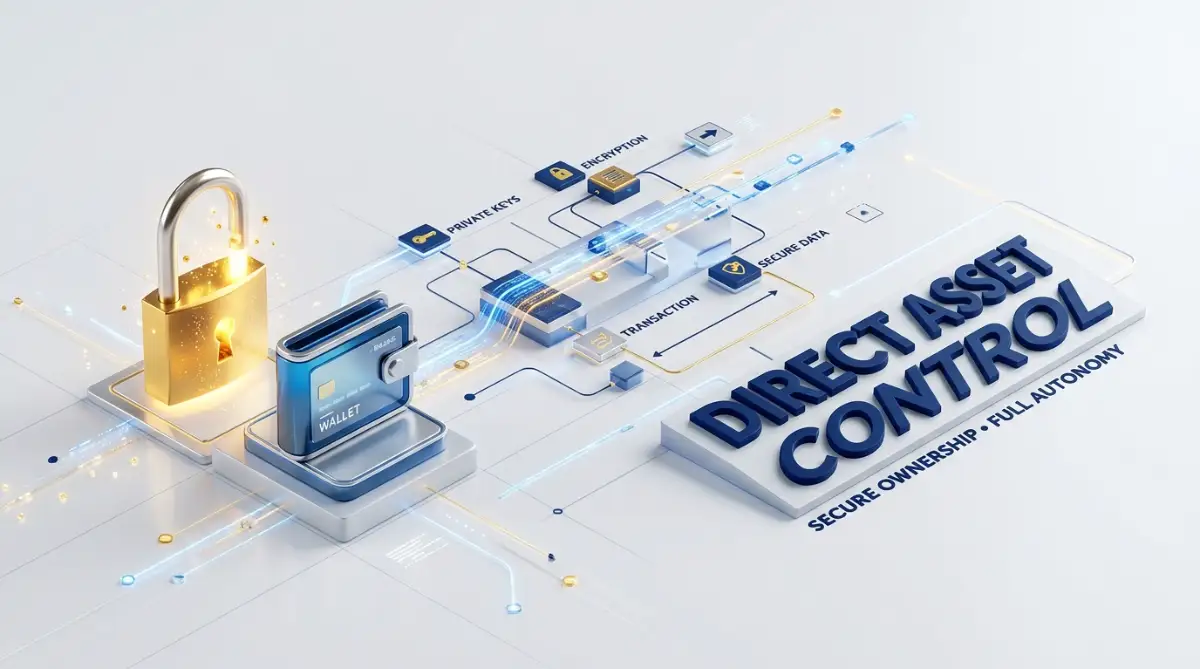
⚡ Quick Takeaways: What You Need To Know
- Direct Ownership: You hold your money inside your own wallet instead of leaving it in a bank vault where it can get frozen.
- Zero Middlemen: Smart contracts move funds instantly around the clock, cutting transfer costs down from thirty USD to pennies.
- No Permission Needed: Anyone with a smartphone can trade, save, or borrow without showing credit scores or tax forms.
- Real Responsibility: Because there is no manager to call, keeping your private recovery seed safe is your top priority.
Breaking Down The Magic: What Is Decentralized Finance?
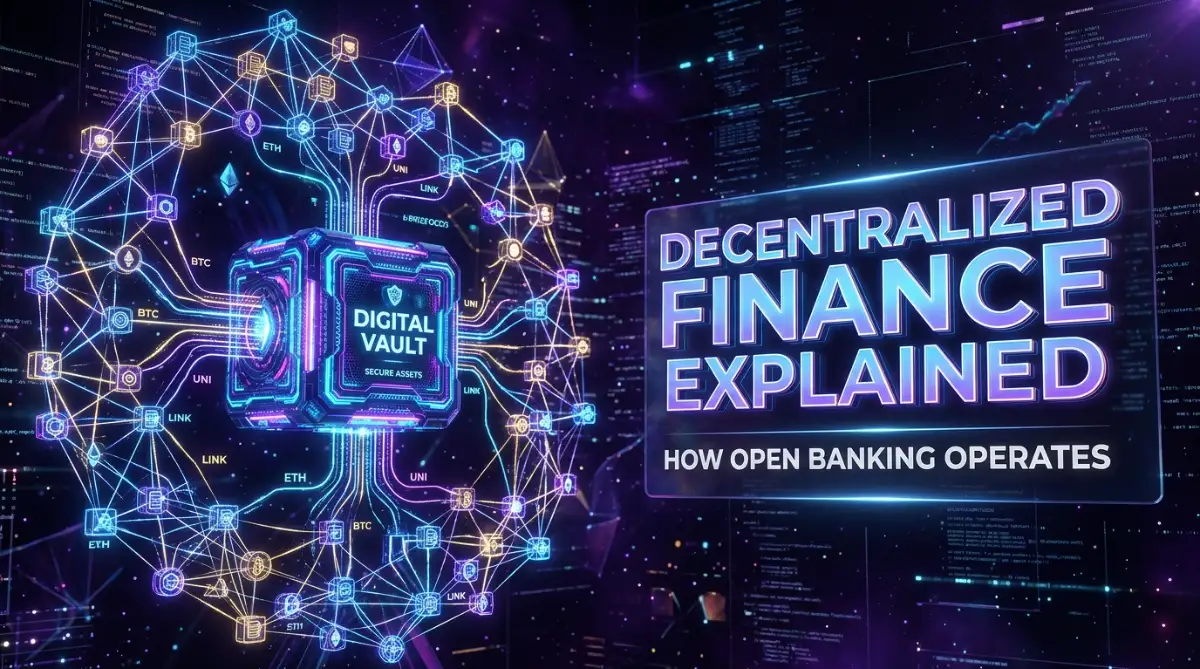
When we talk about finding a permanent solution to this broken banking system, the conversation naturally turns to a concept that is changing everything. You might have heard the term floating around the internet, but let us break it down into very simple words.
Think of decentralized finance as a global market that never turns off its lights. Instead of walking into a brick building with security guards and tellers, you use open computer tools built directly into the web. No single company owns the setup, and no executive can block your profile. You send money directly from your screen to another person across the planet, without an army of bankers slicing off processing fees.
Instead of relying on a bank to approve your transactions, this system uses advanced blockchain technology. A blockchain is just a highly secure digital public notebook where every transaction is recorded. Once something is written in this digital notebook, nobody can erase or change it.
This means the entire process is transparent. Anyone can verify the transactions, making it completely open and fair for everyone involved. You do not need good credit, paperwork, or permission to participate.
All you need is an internet connection and a digital wallet. To explore how global developer networks define these open protocols, you can review the Ethereum Foundation's official DeFi guide which details how public blockchains handle transactions. You completely skip the lengthy approval processes and background checks.
The Problem With Traditional Middlemen
To truly understand how revolutionary this is, we must look at how things normally work. When you send one hundred USD through an old-school bank, that cash takes a slow, messy road trip. Your hometown bank passes the money to an overseas clearing desk, which hands it over to a foreign partner bank before it lands in your friend’s pocket. Each stop takes two days and takes five to ten USD out of the transfer. By the time it arrives, your friend gets eighty-five USD, and you have lost nearly a week. In a world where we share videos across continents in two seconds, waiting a workweek for your own cash makes zero sense.
Enter The World Of Smart Contracts
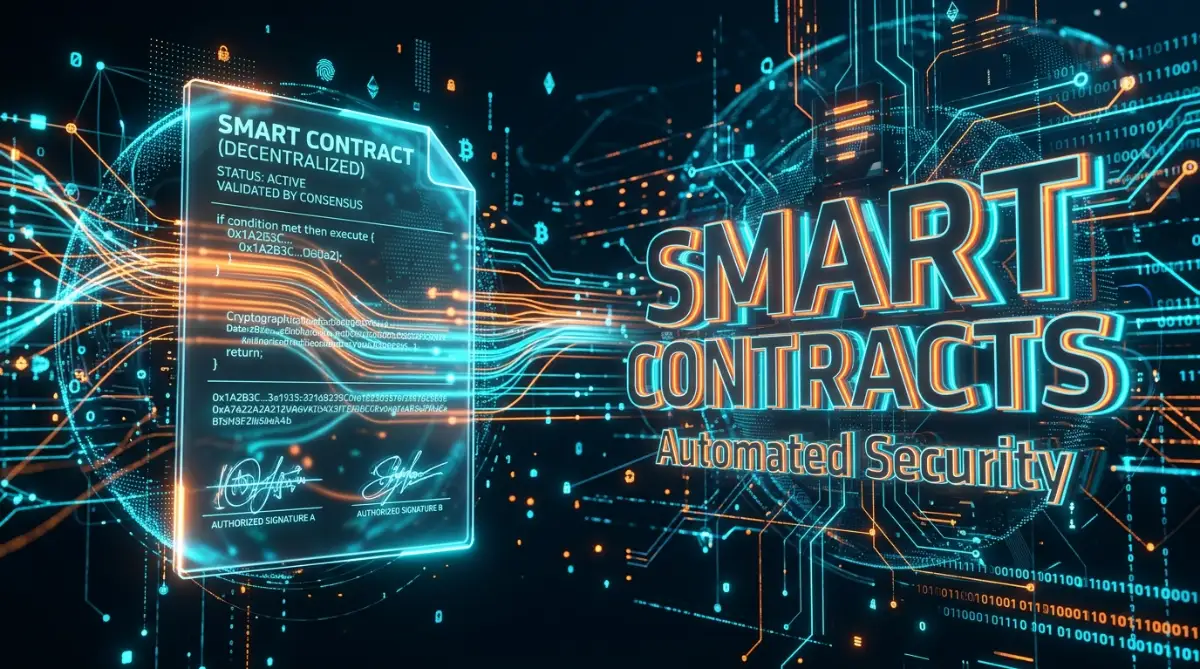
So, how does this new digital finance system remove the middlemen without causing pure chaos? The entire secret lies in something called smart contracts. Do not let the technical name scare you away.
A smart contract is simply a piece of computer code designed to automatically follow specific rules. If you want to understand the technology deeper, you can check out our complete beginner guide on what smart contracts are in crypto to see how they run without human intervention. Think of it exactly like a digital vending machine. When you put a coin into a vending machine and press a button, the machine automatically gives you a snack.
There is no human standing inside the machine checking your ID or deciding if you deserve the snack. The machine just follows the pre-written rules. Smart contracts work the exact same way for your money.
If you want to borrow money, the code checks if you have enough digital collateral. If you do, the code instantly releases the loan to your wallet. There is no loan officer to judge you, and the entire process takes seconds.
These smart contracts run on global blockchain networks twenty-four hours a day, seven days a week. They never sleep, they never take holidays, and they never discriminate against anyone.
Pro Tip on Understanding Smart Contracts:
I remember the first time I tried sending a digital payment across borders using a smart contract. I was incredibly nervous about making a mistake and losing my funds forever in the digital space. But I quickly realized that taking the time to send a tiny test amount first built my confidence immensely. Always double-check your wallet addresses, and you will see how beautifully these automated agreements protect your assets.
How Exactly Do You Start Operating In This Open Economy?
Now that we know the basic concept, you are probably wondering how normal people actually use this system day to day. It is actually much easier than most traditional financial experts want you to believe.
Everything begins with a non-custodial digital wallet. Traditional banks hold your money in their massive vaults (custodial). But in this open internet economy, you hold your own money directly on your phone or computer.
You get a special private key, which is basically a secret digital password. Whoever holds this private key has complete control over the funds. This is why people always say, "Not your keys, not your coins."
Once you have your wallet set up, you connect it to various digital platforms on the internet. You do not create accounts with usernames and passwords. You simply plug your digital wallet into the website, and you are ready to trade, borrow, or lend.
When you are done, you simply disconnect your wallet and walk away. Your personal identity remains completely private the entire time. You are known only by a string of numbers and letters, protecting you from identity theft.
- 👉 Recommended Video Guide: Watch: Whiteboard Crypto – DeFi For Beginners Explained Simply
The Mechanics Of Decentralized Exchanges (DEX)
One of the most popular ways people interact with this open economy is through decentralized exchanges. If you want to trade local currency for foreign currency in the real world, you go to a currency exchange booth. They set the prices, and they take a big commission.
A decentralized exchange works completely differently. There is no central company holding the money for trading. Instead, normal users pool their own digital assets together to create a massive pile of funds.
This massive pile of funds is called a liquidity pool. When you want to trade one digital asset for another, you trade directly against this community pool. As explained in Investopedia's breakdown of decentralized finance, automated market makers calculate the pricing formula on-chain rather than relying on central bookmakers.
Because there is no central company running the exchange, the trading fees are extremely low. Those small fees are then given directly back to the regular people who provided their money to the pool. This means normal people can earn the fees that used to go exclusively to rich bankers.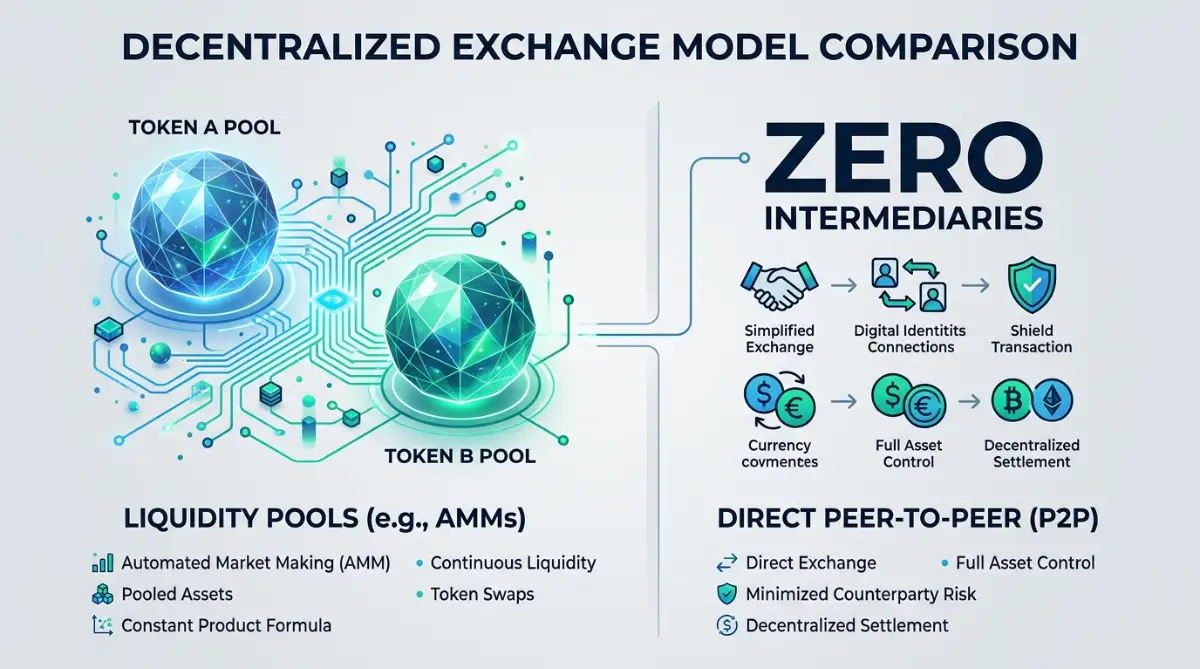
The Reality Of Yield Farming And Staking
If you leave your money in a normal bank savings account, you might earn a tiny fraction of a percent over an entire year. The bank takes your money, lends it out for a huge profit, and gives you pennies in return.
In this new open finance system, you cut out the bank completely. Through a process called staking or yield farming, you can put your digital assets to work directly. You lock your assets into a secure smart contract to help run the network or provide liquidity.
In return for helping the system operate smoothly, the network automatically rewards you with more digital assets. You become the bank. You take on the responsibility, but you also reap the full rewards.
This completely changes how people view saving and investing. Instead of your money losing value to inflation in a traditional bank, your assets actively generate more value for you over time.
Comparing The Two Different Worlds
Sometimes seeing the facts laid out clearly makes everything easier to digest. Let us look at a direct comparison between how the old system and the new open system handle everyday tasks.
As you can clearly see from the comparison, the shift is mainly about efficiency and control. The open digital finance system removes artificial barriers designed to slow you down. It provides a level playing field for everyone, regardless of where they were born.
Myths Vs Reality In The Open Digital Economy
When something new and powerful comes along, rumors always spread quickly. Many people are terrified of this new financial system because of things they read in the mainstream news. Let us clear up some of the biggest misunderstandings right now.
Myth 1: It is only used by criminals.
This is completely false. Because the digital ledger is completely open to the public, every single transaction can be traced easily. Criminals actually prefer physical cash because it leaves absolutely no trace. Regular people, small businesses, and massive companies use this open system every day for honest, transparent business.
Myth 2: You need to be a computer genius to use it.
While the underlying code is very complex, the actual applications you use are quite simple. The interfaces look just like standard phone apps or modern websites. If you know how to use an email account or a mobile banking app, you can easily learn to use a digital wallet.
Myth 3: There is no customer support, so it is dangerous.
While it is true there is no centralized helpline to call, this encourages personal responsibility. You must be careful with your private keys and double-check transactions. However, there are massive global communities and forums ready to help beginners learn the ropes safely and securely.
💡 Real-Life Case Study: How Elena Escaped a 45 USD Wire Fee
Elena runs a graphic design studio in Argentina, serving clients in Texas. In early 2024, a client sent her 1,200 USD through a standard bank wire. By the time intermediary institutions took cuts and currency conversion rules were applied, she collected barely 1,080 USD nearly eight business days later.
The following month, she asked her client to settle payments using a USD-backed stable coin on an established layer-2 network. The transfer settled in eight seconds, the network cost was exactly 0.18 USD, and Elena kept 1,199.82 USD of her earned cash.
🔍 Myth vs Reality: The Ledger Truth
Myth: Anonymous digital assets are a safe haven for illegal money laundering.
Fact: Every single digital move is recorded on a permanent public ledger that anyone can inspect. Global police agencies track on-chain wallets far faster than physical paper bills, making dirty money exceptionally easy to trace.
Understanding Over-Collateralized Loans
Let us talk about borrowing money, which is a massive part of everyday life. In the old system, getting a loan means sitting in an office, explaining why you need the money, and undergoing a strict credit check. If you have a poor credit history, you are instantly rejected.
In the open finance system, loans work on mathematics, not trust or credit scores. You use a method called over-collateralization. This simply means you must deposit more value in digital assets than the amount you want to borrow.
If you want to borrow one thousand USD, you might have to deposit one thousand five hundred USD worth of a different digital asset as a security deposit. The smart contract instantly locks your deposit and gives you the loan.
Why would anyone do this? People do this when they need spending money right now but do not want to sell their current investments. They believe their original assets will increase in value over time.
If you fail to pay back the loan, the smart contract simply sells a portion of your deposit to cover the debt automatically. There are no debt collectors calling your house, and your personal credit score remains completely untouched. The entire process is purely logical and mathematical.
The True Freedom Of Borderless Transactions
The most beautiful aspect of all this is how it connects humanity. We live in a highly connected world, but our money has always been stuck behind invisible borders. If a freelancer in Asia wants to work for a company in Europe, getting paid is a nightmare.
Traditional payment processors take huge percentages and delay funds for security reviews. With this decentralized setup, the European company sends the payment directly to the freelancer's digital wallet. The money arrives in seconds, whole and untouched.
This empowers millions of talented people in developing nations to participate in the global economy. They are no longer held back by the weak financial infrastructure of their local area. They can store their wealth in digital assets that are pegged to the USD, protecting their savings from local currency inflation.
You start to realize that this technology is not just about making quick profits. It is a fundamental human rights movement disguised as software. It gives back the basic right to own and control your own labor and energy without unfair interference.
Addressing The Risks And Volatility
Of course, no system is perfectly flawless. We must talk about reality. The freedom of managing your own money comes with the heavy weight of personal responsibility.
Because you are your own bank, if you lose your private wallet keys, your money is gone forever. There is no reset password button. You cannot call the manager to reverse a mistake.
Additionally, the value of many digital assets can change wildly from day to day. A token might be worth fifty USD today and thirty USD tomorrow. This volatility scares many people away from participating fully. If short-term price drops stress you out, reading our guide on how to overcome financial anxiety during market crashes can give you the emotional discipline needed to stay level-headed.
However, developers have created stable digital assets specifically to solve this problem. These assets are mathematically tied directly to stable things like the USD or gold. They give you all the benefits of fast, borderless digital transfers without the stressful price swings.
As the technology improves, we are seeing insurance protocols being built. Normal people pool money together to insure smart contracts against bugs or errors. This self-healing ecosystem is constantly learning and getting stronger every single day.
By taking the time to educate yourself now, you are stepping ahead of the curve. You are learning the language of the future economy. Taking control of your assets might feel scary at first, but the incredible peace of mind that follows is absolutely worth the effort.
Unlocking Pro-Level Strategies For Maximum Efficiency
When you start moving past the absolute basics of decentralized finance, you quickly realize there is a whole layer of advanced security and management techniques that professionals use. Operating in a completely open internet economy means you carry the absolute weight of security on your own shoulders. Smart management of your digital assets protects you from losing money to preventable mistakes. Let us dive into the deeper practices that separate beginners from seasoned participants in this space.
One of the most powerful habits you can develop is the strict use of multi-signature wallets for large amounts of funds. Instead of letting a single private key control your life savings, a multi-sig setup requires multiple independent devices or trusted people to sign off on any transaction. Think of it like a bank vault that requires three different keys turned at the exact same time to open. If a hacker manages to steal one of your private keys from your computer, they still cannot touch your money because they need the other keys stored safely offline.
Another high-level habit is diversifying your interaction across different foundational blockchains rather than keeping everything locked into a single protocol. Learning the right steps for building a multi-chain crypto portfolio for long-term wealth ensures that if one specific protocol runs into an unexpected technical snag, your entire balance remains protected. Just like a smart investor spreads money across different real estate markets or industries, you want to split your digital assets across established networks with proven security records.
You also want to master the habit of checking network gas fees before executing any trade or transfer. On public blockchains, transactions require a small fee paid to the network validators to process your data. During peak hours, these fees can spike dramatically, turning a cheap transaction into an expensive headache. Learning to time your transactions during off-peak hours can save you a significant amount of USD over the long run.
Many advanced participants also use hardware wallets that stay completely disconnected from the internet when not in use. These small physical devices keep your private keys locked inside a secure microchip, making it mathematically impossible for online malware to reach them. When you want to sign a transaction, you plug the device into your computer, press a physical button on the hardware, and approve it manually. This simple physical barrier stops online hackers dead in their tracks, no matter how clever their phishing attempts might be.
The Hidden Traps And Dangerous Pitfalls To Avoid
Even with the best intentions, people often run into painful mistakes when they first venture away from traditional banking systems. The sheer freedom of managing your own money can sometimes lead to overconfidence. Let us look at the most common traps that catch people off guard and cost them dearly.
My biggest close-call happened when a fake profile in a chat group offered to help fix my wallet connection. They sent me a link that looked identical to a genuine website and asked for my twelve-word backup phrase. Luckily, my gut told me to stop. Remember this simple rule: never type your recovery phrase into any website or share it with anyone online. Real protocols run purely on automated code and will never send you direct messages asking for secret keys.
Another massive trap is chasing impossibly high yields advertised by brand-new, unverified platforms. Learning how to spot bad crypto advice on your feed will save you from unsustainable models that collapse overnight. When a platform promises you a ridiculous return like one thousand percent annual interest, your internal alarm bells should ring instantly. These unsustainable models are usually temporary bubbles that collapse quickly, leaving everyday users with heavy losses. If a deal sounds too good to be true, it is almost certainly a dangerous trap designed to separate you from your assets.
People also frequently make the costly mistake of typing wallet addresses manually instead of using copy-and-paste combined with a thorough visual check. There is a specific type of malicious software that watches your computer clipboard and swaps out copied wallet addresses for a hacker's address. If you do not carefully check the first four and last four characters of the destination address before hitting send, your hard-earned funds will vanish forever into the wrong hands.
Ignoring the tax implications of trading and earning yields across various digital assets is another dangerous pitfall. Understanding how to track your crypto trades and stay safe from tax penalties is critical because failing to maintain clean records can lead to massive fines later. Many people assume that because these transactions happen on a decentralized ledger, they do not need to keep track of anything for reporting purposes. Tax authorities around the world are paying very close attention to digital assets, and failing to maintain clean records can lead to massive penalties later. Always keep a clear, organized ledger of every transaction, trade, and yield payout you receive.
Frequently Asked Questions About Open Money Systems
1. What happens if I send funds to the wrong address?
Because open protocols execute code without a human clerk, transactions cannot be reversed or canceled. If you type the wrong destination string, the tokens go to that address forever. Always paste the address carefully, verify the starting and ending characters, and send a test transfer of 1 USD first.
2. Do I need to report digital asset gains on my yearly taxes?
Yes, you do. Most tax authorities treat digital asset sales, trades, and yield rewards as taxable property events. If you trade one coin for another or earn extra tokens in a liquidity pool, you must record the fair market value in USD and report it on your regular tax returns.
3. How do stable coins keep their 1 USD value?
Most mainstream stable tokens hold real assets like cash, short-term treasury bills, or liquid notes in audited bank accounts for every digital dollar they create. When you redeem one digital token, the reserve releases one actual USD back to you.
4. Can a decentralized protocol ever shut down?
A decentralized system runs across thousands of individual computers spread all over the world. As long as some of those computers remain connected to the internet, the software continues to process transactions uninterrupted. No single office or official can turn it off.
5. What is the safest way to store my recovery seed phrase?
Never save your backup phrase in a screenshot, notes app, or cloud folder. The best approach is writing down your twelve or twenty-four words by hand on paper or stamping them into a durable metal plate, then locking that backup inside a fireproof lockbox.
Charting Your Path Forward In The Open Economy
Taking control of your financial destiny requires courage, patience, and a willingness to unlearn old habits taught by restrictive institutions. We have explored how open systems remove middlemen, lower costs, and give you absolute ownership of your labor. The shift from waiting days for bank approvals to settling transactions in seconds changes how you view the global economy.
You now understand that smart contracts replace untrusted human managers with transparent, unchangeable computer code. You know how liquidity pools and decentralized exchanges operate to keep fees low and profits in the hands of the community. Most importantly, you recognize the heavy responsibility that comes with holding your own private keys and guarding your digital assets.
The traditional financial system was built for a different century, bogged down by physical borders and unnecessary paperwork. The modern digital alternative gives you the power to participate globally from anywhere with an internet connection. It is an ongoing journey of education and careful experimentation, where every small step builds your confidence.
Action Plan For Tomorrow
To turn this knowledge into real progress, you can follow a simple, step-by-step action plan starting tomorrow. Do not rush to jump into complex trading or yield farming right away.
- Day One: Spend time researching and setting up a secure, non-custodial digital wallet on a trusted device. Write down your recovery phrase on physical paper and store it in a safe place.
- Day Two: Learn how to read public block explorers like Etherscan to see how transactions move transparently across the network without any human intervention.
- Day Three: Fund your wallet with a very small amount of digital assets to practice a simple transfer. If you are starting from zero, review our step-by-step walkthrough on safely buying your first crypto assets using reputable fiat on-ramps.
- Day Four: Read through the educational resources of an established decentralized exchange to understand how liquidity pools function without a central company.
By breaking your learning curve into small, manageable actions, you eliminate fear and build deep competence. You stop being a passive consumer of financial services and become an active participant in your own wealth management.
📚 Expand Your Financial Knowledge
Looking to diversify beyond decentralized systems? Explore our beginner guides:
- Understanding Crypto Assets: Bitcoin & Ethereum Guide
- What Is Dollar-Cost Averaging & Why It Works
- How to Define Your Personal Risk Tolerance
- Why You Need an Investment Exit Plan
- Index Funds vs. Mutual Funds: Building Lasting Wealth
- Investing in the Stock Market with Little Money
- Investing in Real Estate Without Physical Property
Disclaimer:
The content provided in this article is for informational and educational purposes only and does not constitute financial, legal, or investment advice. Decentralized finance and digital asset systems involve a high degree of risk, including the potential loss of principal. Always conduct your own thorough research or consult with a qualified financial professional before making any financial decisions.