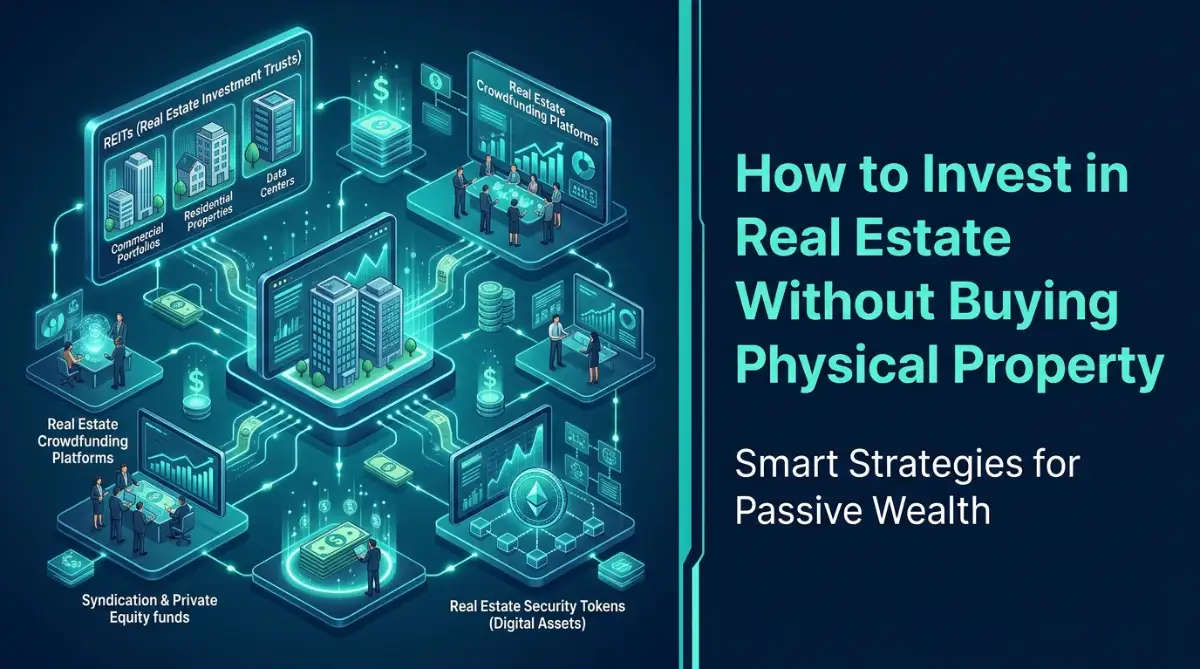
Why Traditional Property Ownership Felt Like a Heavy Burden to Me
Back in 2019, I sat at my dining table with three cups of cold coffee and a folder full of mortgage flyers. I felt crushed. Every house in my city cost at least half a million dollars. The banks wanted a twenty percent down payment, and my humble savings account was not growing fast enough. Every time I saved an extra thousand bucks, home prices jumped by ten thousand. It felt like I was running on a treadmill that kept speeding up.
I really thought the only way to build real wealth was to buy physical property, collect rent envelopes, and fix broken pipes at two in the morning. I was completely wrong. A casual chat with an old investor friend changed my life. He asked me a simple question: "Why do you want the dirty work of a landlord when you can just collect the rent money from your phone?" That question hit me hard. I discovered that everyday people like you and me can easily buy tiny slices of billion-dollar commercial buildings with just twenty bucks. In this honest guide, I will show you the exact steps I used to build a hands-off property cash flow without ever swinging a hammer, chasing down tenants, or taking out a massive bank loan.
What You Will Learn in 60 Seconds:
- Start With Spare Pocket Cash: You do not need hundreds of thousands of dollars. You can start collecting commercial real estate dividends with as little as 20 USD to 50 USD through public platforms.
- Zero Landlord Headaches: Professional property managers find tenants, maintain properties, and collect rent payments. You simply receive your share directly into your bank account.
- Instant Cash Access: Unlike traditional physical homes that take months to sell, you can buy or sell your digital real estate shares within seconds during normal market hours.
- Smart Spread of Risk: Your money is not tied to one single house on one street. Instead, your money spreads across hundreds of warehouses, medical buildings, and tech centers worldwide.
Exploring Modern Pathways to Property Market Participation
Think of collective property investing like going out for dinner with a big group of friends and splitting a giant pizza. None of us can buy a whole giant commercial building alone. But when thousands of us put our spare cash into a single investment pot—much like how index funds vs mutual funds operate for simple wealth building—we can easily buy giant Amazon warehouses, medical centers, and luxury apartment towers together. The best part? You become a real part-owner of those massive buildings without signing any scary bank paperwork.
One of the most popular vehicles in this space allows everyday savers to buy shares of income-generating buildings just like regular stocks. These entities are legally required to distribute a huge portion of their taxable income back to shareholders. This means you receive regular dividend payouts without ever worrying about collecting rent. It functions like owning a slice of a massive corporate skyscraper right from your laptop.
Another fantastic option involves digital platforms that pool capital for specific construction or renovation projects. These online ecosystems let you browse through various vetted development projects and choose where to put your money. You can diversify your portfolio across different cities and sectors with just a few small contributions. This level of flexibility was completely unimaginable a few decades ago.
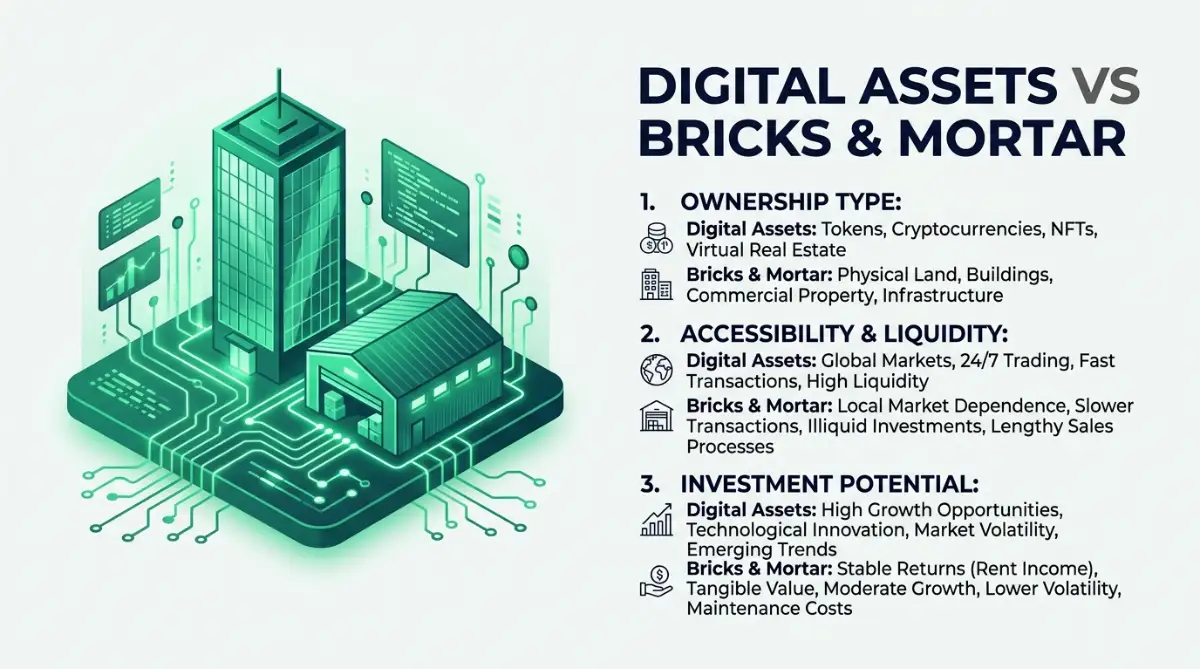
To help you visualize how these modern methods compare to traditional property buying, look at the clear comparison below:
Real Breakdown: Physical Rental Property vs Digital Property Funds (REITs)
 Practical Steps to Build Your Portfolio Without Bricks
Getting started on this journey does not require complicated financial degrees or insider knowledge. You can take actionable steps starting this week to establish your digital property portfolio. Follow these structured guidelines to ensure you build a sustainable and diversified investment base.
Step One: Assess Your Financial Capacity and Goals
Before putting any money into alternative property vehicles, take a close look at your monthly budget. Determine how much spare cash you can comfortably set aside without harming your daily living expenses. Setting clear financial goals helps you choose the right mix of income-generating shares or growth-focused funds. Consistency matters far more than the initial amount you decide to invest.
Step Two: Choose a Reputable Brokerage or Platform
You need a secure financial gateway to purchase shares or participate in digital funding platforms. Research regulated platforms that offer low fees and user-friendly interfaces for beginners, just like you would when learning how to start investing in the stock market with little money. Make sure the service provider is fully licensed and protected by relevant financial authorities in your region. Opening an account usually takes just a few minutes with basic identification documents.
Step Three: Diversify Across Different Sectors
Do not put all your money into a single type of building or sector. Look for opportunities spread across residential complexes, healthcare facilities, industrial warehouses, and retail spaces. Diversification protects your overall portfolio if one particular industry faces temporary economic headwinds. Spreading your risk is the hallmark of a smart, seasoned investor.
Step Four: Automate Your Contributions for Long-Term Success
Consistency is the secret engine behind long-term wealth accumulation. Set up automatic transfers from your primary bank account into your investment platform every single month. (If you haven't automated your cash flow yet, read our guide on how to set up automatic investments for consistent savings.) This habit removes emotional decision-making and ensures you buy assets steadily over time using a proven dollar-cost averaging strategy for beginners. Over the years, this simple routine builds a robust financial cushion quietly in the background.
Understanding the Deeper Mechanics of Indirect Ownership
When you invest through collective structures, professional management teams handle all the heavy lifting. These experts negotiate leases, handle tenant relations, and oversee routine building maintenance. You get to enjoy the financial benefits while bypassing the daily headaches that frustrate traditional landlords. It turns a stressful chore into a truly passive experience.
I remember when I first realized how much time I was wasting worrying about property upkeep. Shifting my focus to indirect assets gave me back my weekends and my mental peace. I no longer had to answer frantic phone calls about plumbing emergencies in the middle of the night. My only job was to review quarterly reports and watch my dividends compound.
Market transparency has also improved dramatically over recent years. Most digital platforms provide clear dashboards where you can track your earnings, asset values, and projected payouts in real-time. This level of clarity helps you make informed adjustments whenever your personal financial goals evolve. You stay firmly in control of your financial direction without getting bogged down in administrative details.
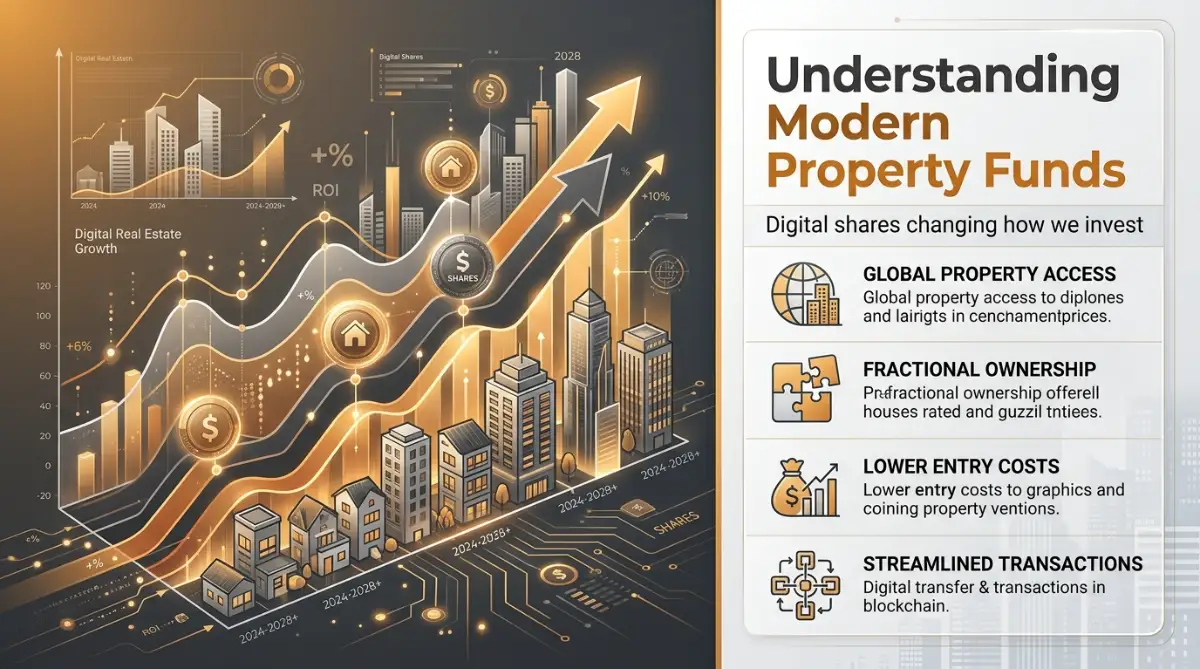
Fine-Tuning Your Strategy for Sustainable Growth
Keep yourself educated by reading financial reports, following market trends, and understanding how interest rates affect your investments across different commercial property sectors. Knowledge acts as your best shield against market volatility and poor decision-making. Surround yourself with sensible financial habits that support your ultimate goal of achieving freedom and security. Your future self will thank you for the disciplined choices you make today.
Remember that financial growth is a personal journey unique to every individual. Do not compare your starting point or your pace to anyone else's highlight reel. Take steady steps forward, trust the structured process, and enjoy the peace of mind that comes with smart, modern wealth building. The path is open, clear, and ready for you to take your very first step today.
Deep-Dive Analysis of Advanced Alternative Property Instruments
Moving deeper into the mechanics of indirect property participation requires exploring institutional-grade vehicles that regular individuals can access through standard digital brokerage accounts. When you bypass physical ownership, you unlock access to massive commercial assets like sprawling logistics hubs, data centers powering the global internet, and multi-story medical facilities. These sectors often outperform traditional residential housing during periods of economic shifting. Understanding how these specialized trusts operate gives you a distinct advantage in building a resilient, high-performing portfolio.
Data centers and telecommunication towers represent a fascinating sector within modern paper-based property portfolios. As global data consumption skyrockets every single year, the demand for secure, climate-controlled server housing grows exponentially. When you hold shares in entities that own these specialized buildings, you collect revenue tied to long-term enterprise leases rather than short-term residential tenants. This creates a remarkably stable cash flow stream that functions independently of housing market downturns.
Industrial logistics hubs and distribution warehouses form another cornerstone of modern e-commerce infrastructure. With millions of packages moving across the globe daily, retail giants lease massive fulfillment centers under strict, multi-year corporate agreements. Owning fractional stakes in these massive industrial spaces means your income is secured by multinational balance sheets. It transforms your investment strategy into a corporate-grade operation while requiring minimal capital to enter.
Healthcare real estate, including medical office buildings, senior housing, and specialized clinics, offers unique defensive characteristics. As populations age in many developed economies, the demand for accessible medical facilities remains consistently high regardless of broader economic cycles. These properties typically feature exceptionally long lease terms, often spanning a decade or more with built-in annual rent escalations. Adding healthcare-focused assets to your digital portfolio provides a reliable buffer against inflation and market volatility.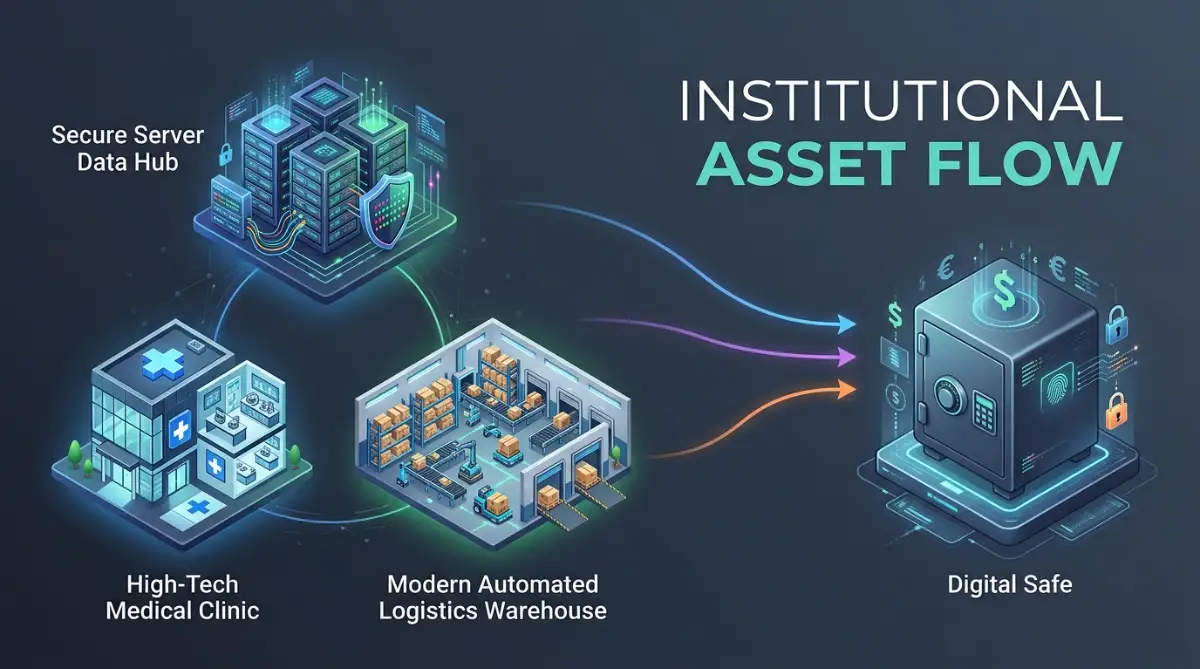
To help you map out these advanced sectors effectively, review the structural breakdown below:
When you start picking these property assets, do not just jump at the biggest payout numbers. A high dividend looks juicy on paper, but you need to check who is actually paying the monthly rent inside those buildings. Look for properties leased to rock-solid tenants like hospitals, government agencies, and giant grocery chains on ten-year contracts. Even better, many of these contracts force the tenant to pay for property taxes, insurance, and regular roof repairs. That means steady money keeps rolling into your pocket without unexpected surprise bills.
Mastering Portfolio Rebalancing and Strategic Asset Allocation
Maintaining a healthy balance across your digital property holdings requires regular portfolio reviews and disciplined rebalancing. Over time, certain sectors within your portfolio will naturally grow faster than others due to shifting market dynamics. If logistics warehouses surge while retail spaces stagnate, your initial asset allocation can become skewed. Rebalancing forces you to trim winning positions and reinvest into undervalued sectors, reinforcing why you always need an investment exit plan to stop losing money while maintaining your target risk profile.
I remember reviewing my own digital portfolio during a particularly volatile quarter and noticing an over-concentration in technology-adjacent spaces. The temptation to let it ride was strong, but my long-term strategy demanded discipline and emotional detachment. Trimming that excess exposure and reallocating it into stable healthcare funds protected my portfolio when market corrections eventually arrived. Discipline always triumphs over short-term excitement when building lasting wealth.
Establishing a clear schedule for portfolio check-ins prevents you from reacting impulsively to daily market noise. Most successful long-term participants review their holdings on a quarterly or semi-annual basis rather than hourly. This measured approach gives your assets time to grow while ensuring you remain aligned with your overarching financial objectives. Consistency in monitoring combined with patience in execution creates an unstoppable wealth-building engine.
Geographic diversification is another critical layer of sophistication to introduce as your portfolio expands. Relying solely on domestic property markets exposes your capital to local economic downturns or regulatory policy shifts. Many digital platforms and global funds allow you to gain exposure to thriving international markets with complete ease. Spreading your capital across different continents protects your overall wealth against region-specific financial turbulence.
The Psychology of Long-Term Wealth Accumulation Without Property Deeds
Managing your emotions is often far more difficult than understanding the technical math behind market investing. When you do not own a physical building you can touch or visit, it is easy to feel detached from your investments during market slumps. This psychological distance can sometimes lead to panic selling when you see digital share prices drop on your screen. Learning how to overcome financial anxiety during market crashes is the first step toward building unshakeable emotional resilience.
Successful long-term investing requires treating your digital portfolio like a silent business partner that works for you 24/7. When stock or fund prices dip temporarily, view it as an opportunity to acquire more units at a discounted valuation. Shifting your mindset from fear to opportunistic accumulation changes your entire experience of market volatility. You stop looking at short-term price drops as losses and start seeing them as clearance sales for future cash flow.
Let us explore how psychological resilience translates into practical execution through a structured daily approach:
- Focus on Cash Flow: Track the regular dividend payments landing in your account rather than obsessing over daily share price movements.
- Ignore Noise: Tune out sensationalized financial media headlines and learn how to spot bad stock and crypto advice on your feed before reacting impulsively.
- Stick to the Plan: Follow your automated contribution schedule consistently, regardless of whether the broader market is rising or falling.
- Continuous Learning: Read financial literature and study successful investment philosophies to keep your mindset grounded and sharp.
Common Myths About Non-Physical Real Estate Investing
- Myth 1: You do not own real property if your name is not on a physical deed.
- The Fact: When you buy shares in a property trust, you own legally binding equity in that company’s actual physical buildings. You are an authentic part-owner entitled to your cut of rents and asset sales by federal law.
- Myth 2: Physical houses always make more money than paper-based property assets.
- The Fact: Historical market data shows public property trusts have delivered average annual returns between 9% and 11% over the past three decades. That easily matches or beats physical rental homes after factoring in property taxes, insurance, and continuous home repairs.
- Myth 3: You need an expensive financial advisor or special license to buy these assets.
- The Fact: Any adult with a phone and a regular bank account can open a standard, free brokerage account in under ten minutes and buy their first property shares right away.
Rules and Legal Safeguards Every Investor Must Know
Operating within modern financial markets means understanding the rules and safeguards designed to protect everyday participants. Regulatory bodies establish strict compliance standards to ensure transparency, fair pricing, and operational integrity across all public platforms. When you choose regulated brokers and registered investment funds, your capital benefits from robust legal protections. Never bypass these safeguards by engaging with unregulated, obscure entities promising unrealistic, overnight returns.
We all dislike tax season, but handling your taxes properly will save you serious money here. When these property funds send you dividend checks, the government views that cash differently than standard company stock payouts. I learned this the hard way during my second year of investing when my accountant handed me a surprise bill. You can avoid this by holding your shares inside tax-friendly accounts like an IRA, 401k, or TFSA. That simple step lets your rental income grow quietly without the tax department taking an immediate bite.
Understanding the corporate governance of the funds you choose adds another layer of security to your strategy. Review annual reports, executive compensation structures, and auditor statements to ensure management operates ethically. Transparent companies make their financial data easily accessible to everyday shareholders without hiding behind vague statements. Choosing well-managed, transparent entities safeguards your capital against corporate mismanagement or hidden liabilities.
Advanced Risk Mitigation Strategies for Modern Portfolios
Protecting your accumulated wealth is just as important as growing it during the early stages of your journey. One advanced risk mitigation technique involves implementing strict position sizing rules within your overall asset allocation. Never allow a single fund, sector, or platform to dominate an overwhelming percentage of your total net worth. Capping individual holdings ensures that an unexpected crisis in one sector cannot derail your entire financial future.
Another powerful risk management tool involves maintaining an adequate cash buffer outside of your investment accounts. This liquidity reserve ensures you never have to sell your income-generating assets during a market downturn to cover emergencies. Having cash ready gives you the psychological comfort needed to ride out stormy economic periods without anxiety. It creates an unshakeable foundation that supports aggressive long-term wealth accumulation.
Evaluating currency risk is also essential if you decide to venture into international property funds and global markets. Exchange rate fluctuations can either boost or diminish your overall returns when converted back into your local currency. Some investors choose currency-hedged funds to neutralize this variable, while others accept it as part of global diversification. Defining your personal risk tolerance before investing helps you choose the right balance for your unique situation.
Crafting Your Ultimate Action Plan for Tomorrow
Building financial independence without physical property requires a clear roadmap and unwavering personal commitment. Start by auditing your current monthly cash flow to identify small, repeatable amounts you can dedicate toward your goals. Open a regulated, low-fee digital brokerage account and select your first diversified fund or income-generating trust. Set up automatic monthly transfers to remove emotion and build unstoppable momentum from day one.
Remember that every expert investor started exactly where you are standing right now, facing uncertainty and complex choices. Taking that first small, calculated step changes your trajectory and proves that clarity beats confusion every single time. You possess everything you need right now to shape a prosperous, stress-free financial destiny. Trust the process, stay consistent with your strategy, and watch your portfolio flourish naturally over time.
📚 Explore More Wealth Building & Digital Asset Guides:
If you are diversifying beyond commercial property into the digital economy, explore these beginner-friendly guides:
- Safely Buying Your First Bitcoin: A Step-by-Step Guide
- Understanding Crypto Assets: A Simple Bitcoin and Ethereum Guide
- How to Build a Multi-Chain Crypto Portfolio for Long-Term Wealth
- How Decentralized Finance Operates: A Complete Breakdown
- What Are Smart Contracts in Crypto? A Beginner's Guide
- How to Track Your Crypto Trades and Stay Safe from Tax Penalties
Frequently Asked Questions (Real Answers for Beginners)
How much money do I need to start investing in property without buying a house?
You can literally start with the price of a single share, which is often between 20 USD and 100 USD. Most modern brokerage apps do not charge commissions and even let you purchase fractional shares for as little as 5 USD.
How do I actually get paid my rental profits?
Your money arrives as cash dividend payouts deposited directly into your brokerage cash balance. By law, standard property trusts must distribute at least 90 percent of their taxable earnings to shareholders, usually paid out every three months or every month.
What happens if the real estate market crashes?
Just like the prices of physical houses on your street, share prices can fall during tough market times. However, if your fund owns buildings with long-term corporate leases (like grocery stores, data warehouses, or medical centers), the monthly rent checks keep coming in regardless of stock market swings.
Are dividends from property trusts taxed like regular income?
Yes, dividend distributions are usually taxed as ordinary income rather than lower capital gains rates. That is why smart investors hold these specific assets inside tax-sheltered accounts such as a Roth IRA or 401k to legally reduce their annual taxes.
Can I sell my property shares immediately if an emergency hits?
Yes, absolutely. Unlike a physical house that can take months to list, inspect, and close with a buyer, you can sell your digital property shares within seconds during regular stock exchange trading hours and have cash ready in your account.
Disclaimer
The information provided in this comprehensive article is for educational and informational purposes only and should not be construed as professional financial, legal, or tax advice. Always conduct your own thorough research or consult with a qualified, licensed financial advisor before making any investment decisions or committing capital to financial markets.