The Day I Lost Money to a Bad Trust Deal: My Hard Crypto Lesson
Back in 2021, I made a mistake that still makes my stomach turn. I sent 650 USD worth of crypto to a guy on Discord who promised to transfer a rare digital collectible to my wallet. The second the transaction confirmed on the blockchain, he blocked me, deleted his messages, and vanished into thin air. I stared at my empty wallet balance for an hour, feeling like the biggest fool on the planet. I worked hard for that money, and losing it to a faceless stranger hurt deeply.
That painful loss made me ask a big question: How can two strangers trade online without having to blindly trust each other? Banks and lawyers charge ridiculous fees, and they take days to settle basic deals. That frustrating search led me straight to smart contracts. Finding this self-executing software completely transformed how I move money and run digital deals. In this guide, I will share the exact rules I follow so you can protect your cash, use automated agreements safely, and never fall for the trust traps that cost me dearly.
What You Need to Know in 30 Seconds
- Zero Middlemen: Smart contracts run pure computer code on a blockchain, executing rules automatically without greedy brokers, banks, or escrow fees.
- The Vending Machine Rule: The code works strictly on simple math: if you insert the right funds, the system releases the item immediately.
- Permanent and Irreversible: Once a contract is deployed on the network, no one can alter its rules or undo a completed trade.
- Security First: Hackers target bugs in poorly written code. Always verify security audit reports and keep your active wallet permissions clean before signing any transaction.
Demystifying the Smart Contract
Have you ever wondered how we can trust people online without knowing them? In the physical world, we use lawyers or banks to keep everyone honest. In the crypto world, we use a different kind of tool to do this job.
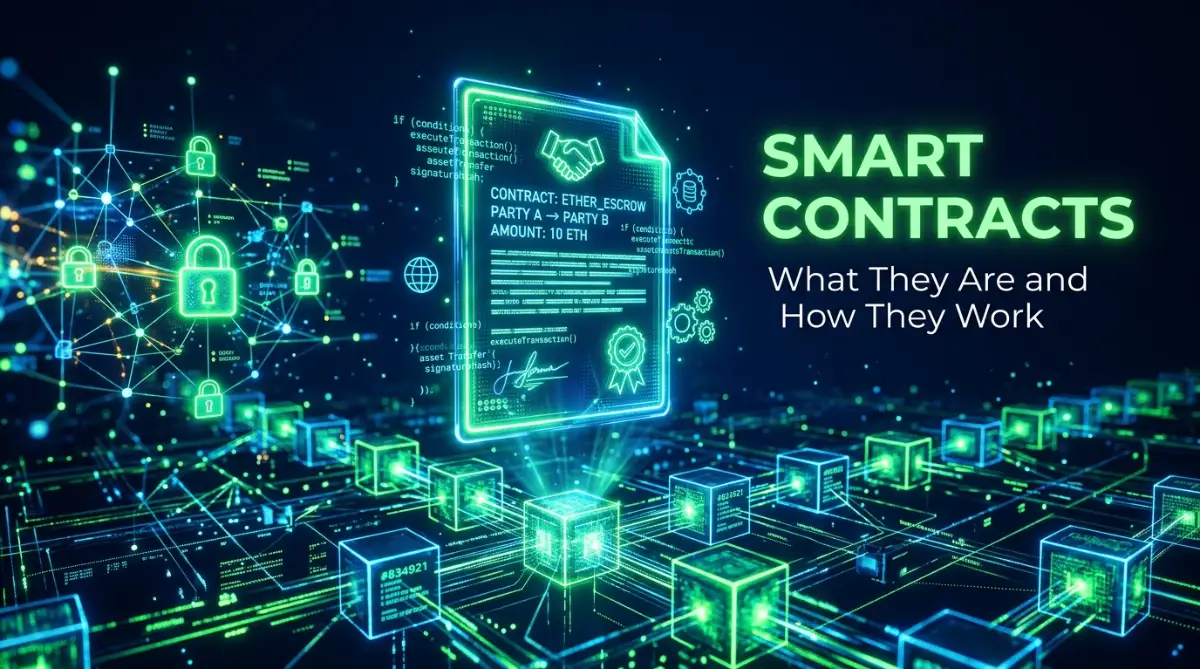
This special tool is called a smart contract. It is not a paper document with a physical signature. Instead, it is a computer program that lives on a shared digital network.
This program is designed to run automatically when certain rules are met. It acts as an unbiased referee for transactions. No one can change the rules once the program starts running.
Think of it as a set-and-forget agreement. You and another person agree on a set of rules. The software then takes over and handles the rest of the work.
The Simple Vending Machine Analogy
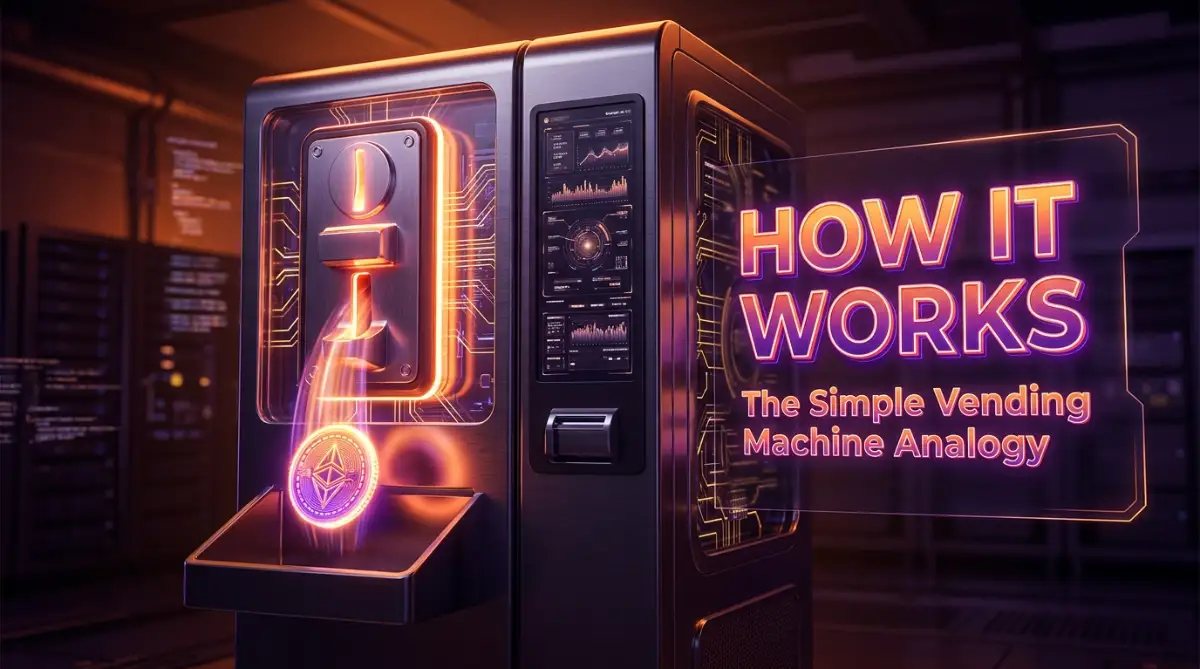
To understand this concept, think about a standard vending machine. You want to buy a soda that costs a couple of dollars. You do not need a shopkeeper to sell you the drink.
You simply put your coins into the machine slot. The machine checks if you gave it the correct amount. If the money is correct, the machine drops the soda down to you.
If you do not put in enough money, you do not get the soda. The machine will give your money back to you. This is exactly how these digital agreements work.
There is no middle person standing between you and your soda. The machine has a simple rule built into its hardware. That rule says: if money is received, then release the product.
In the crypto space, we do the exact same thing with code. We replace the physical machine with a secure digital network. This allows us to trade assets without needing to trust each other.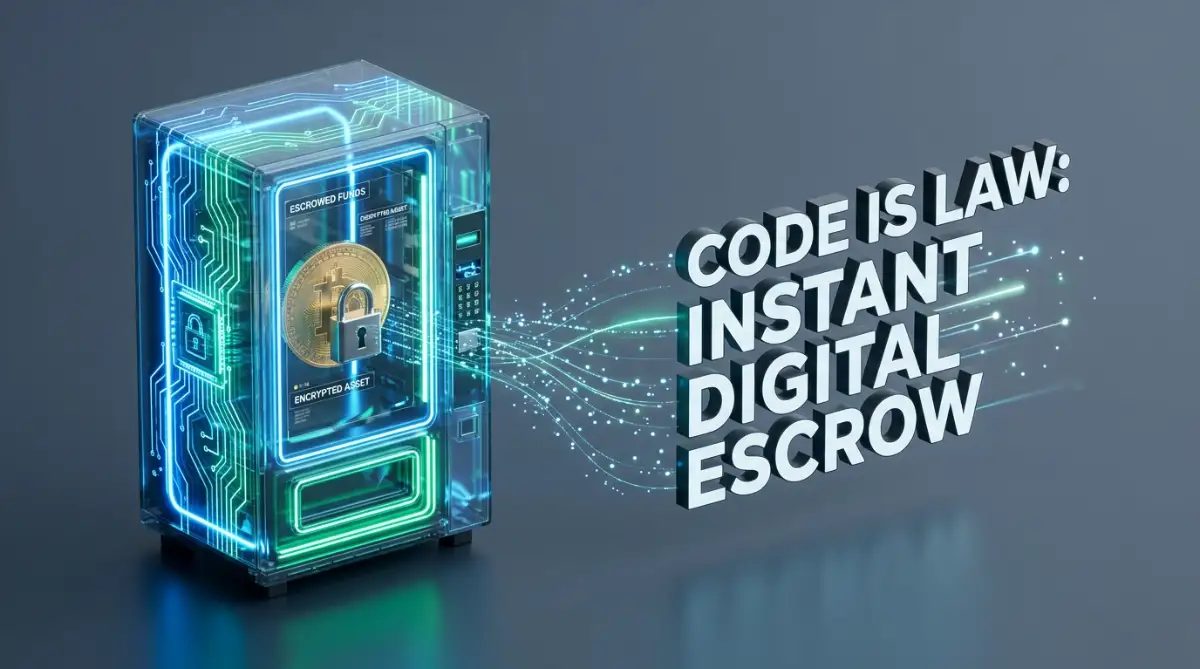
How These Digital Agreements Operate Behind the Scenes
These digital agreements rely on a technology called the blockchain. A blockchain is a shared ledger that is copied across many computers. This makes it almost impossible to alter or destroy the records.
When you write a digital agreement, you write it in code. This code contains a list of instructions. These instructions always follow a basic logic.
At its heart, the software follows a simple logic: "If you do this, then that happens." Imagine paying for a product: the moment your crypto hits the address, ownership drops straight into your account. No human approval is needed. No manager sits at a desk to stamp an invoice. Thousands of computers check the math at the exact same moment. Once they all agree the rules were met, the deal settles for good.
If you want to see exactly how these digital agreements run on a live network, this clear visual guide explains the entire process. Watch this short video to see the step-by-step logic in action.
Step One: Setting Up the Rules
First, the two parties must agree on the terms. They decide what conditions must be met to finish the deal.
This could be a simple trade or a complex loan agreement. Once they agree, a programmer turns these terms into code.
This code defines every single detail of the transaction. It leaves no room for confusion or arguments later on.
Step Two: Uploading to the Network
Next, this code is sent to the blockchain network. It becomes a permanent part of the digital ledger.
Every computer on the network gets a copy of this program. This means no single person can delete or edit the agreement.
The agreement sits there quietly, waiting for the conditions to be met. It is always active and never takes a break.
Step Three: Automatic Execution
Finally, the magic happens when the conditions are fulfilled. Let us say you deposit your crypto into the designated address.
The program instantly recognizes your deposit. It immediately sends the agreed-upon digital asset to your wallet.
This entire process takes only a few seconds or minutes. No one has to manually approve the trade or sign any papers.
How Smart Contracts Power the Crypto Space
These digital agreements are the foundation of almost everything in crypto. Without them, the blockchain would just be a simple ledger for sending coins. Understanding how smart contracts run begins with understanding core crypto assets like Bitcoin and Ethereum.
They allow us to build complex applications on top of the network. These applications can do everything a traditional bank or company can do.
Let us explore some of the most popular ways people use them today.
Powering Decentralized Finance (DeFi)
Decentralized finance lets you skip traditional banking desks altogether. (If you are new to this ecosystem, read our complete guide on how decentralized finance operates). Whenever I want to take out a loan, I lock my crypto as collateral into an automated pool. The software issues my funds in seconds without running a credit check or demanding tax documents. When I pay back the loan plus interest, my collateral unlocks instantly. If market prices crash and collateral drops too low, the code liquidates the deposit automatically to keep the lending pool whole.
Transforming Digital Art and NFTs
You have probably heard of non-fungible tokens, or NFTs. These are unique digital tokens that represent ownership of art or music.
These tokens are created and managed using digital agreements. The code tells the world who owns the artwork at any given moment.
The code can also include a special rule for royalties. Every time the art is resold, the creator automatically gets a percentage of the sale.
This allows artists to earn money directly from their work. They do not need to rely on galleries or agents to get paid.
Rethinking Governance with DAOs
Imagine a business that has no boss or board of directors. Instead, the company is run entirely by code and its community members.
This is called a Decentralized Autonomous Organization, or DAO. Members use digital agreements to vote on company decisions.
If a proposal gets enough votes, the code automatically releases funds to pay for the project. This makes the entire organization transparent and fair.
No one can steal the company funds because they are locked in the agreement. Only a majority vote can release them.
Changing the Gaming World
Video games are also adopting this new technology. Players can now truly own their in-game items, like swords or character outfits.
These items are stored as digital assets on the blockchain. Players can trade them safely using automated agreements.
Game developers cannot take away your items or shut down your account's inventory. Your digital goods remain yours forever.
This creates a real economy inside virtual worlds where players can earn real value.
Tracking Goods Across the Globe
Imagine ordering a fresh box of organic fruits from another country. You want to make sure the fruits stayed cold during the long journey.
We can connect temperature sensors on the shipping box to a digital agreement. The program tracks the temperature data automatically during the trip.
If the temperature stays cool, the payment is released to the shipping company. If the temperature goes too high, the buyer gets a refund automatically.
This makes shipping companies work harder to protect their cargo. It also gives buyers complete confidence in the quality of their goods.
Instant Payouts for Flight Delays
Flight delay insurance is often a massive headache to claim. You have to submit paperwork, wait for weeks, and argue with agents.
An automated insurance program can solve this problem in a second. The program is connected to a live database of flight schedules.
If your flight is delayed by more than two hours, the program triggers immediately. It sends the insurance payout directly to your digital wallet.
You do not have to fill out any forms or make a single phone call. The system handles everything behind the scenes without any human delay.
Safe and Fair Home Rental Agreements
Renting an apartment online can be a risky business for both sides. Landlords worry about getting paid, while tenants worry about getting the keys.
A smart contract can act as a secure digital escrow system. The tenant deposits the rent money into the automated program.
Once the landlord sends the digital key code to the tenant, the program releases the rent. This protects both parties from being cheated during the deal.
It removes the need for expensive rental agencies that take a percentage. This makes renting a home cheaper and more secure for everyone.
Smart Contracts vs Traditional Agreements
To really understand this technology, we must compare it to what we use now. Traditional agreements are slow, expensive, and require a lot of trust.
You often have to hire lawyers to write them and courts to enforce them. If someone breaks the contract, you have to spend months in court.
Automated digital agreements solve these problems completely. They enforce themselves without needing any lawyers or judges.
Let us look at a simple table to see how they compare side by side.
The Benefits and the Risks You Must Know
Every new technology has its upsides and its downsides. It is important to look at both sides before you start using them.
This will help you make smart choices and protect your funds. Let us break down the pros and cons in detail.
The Big Advantages
The first major benefit is the incredible speed of transactions. You do not have to wait for manual approvals or bank processing times.
The second benefit is the massive amount of money you save. You bypass middle persons who charge high service fees.
The third benefit is the extreme accuracy and security of the system. The agreement is recorded on thousands of computers, so it cannot be lost.
This level of transparency builds absolute confidence for both parties. You always know exactly what to expect from the deal.
The Potential Pitfalls
The biggest risk comes from the fact that code is written by humans. If a programmer makes a mistake, the code will have a vulnerability.
Hackers can find these bugs and use them to steal funds locked in the agreement. Once the money is gone, it is almost impossible to get back.
Another issue is that these agreements cannot be changed easily. If you make a mistake in the terms, you cannot just rewrite them.
Early in my crypto journey, I threw 400 USD into a brand-new lending pool because of hype on social channels. Two weeks later, an attacker found an unpatched vulnerability in the contract logic and emptied the entire pool overnight. I lost every single cent. That painful lesson taught me to never touch a protocol unless it holds an up-to-date public security audit from a respected engineering firm. Automated code does not forgive sloppy development.
Practical Tips for Interacting with Smart Contracts Safely
If you want to use these tools, you need to know how to protect yourself. The crypto world can be wild and full of risks.
First, always check if the platform has a security audit report. These audits are done by professional security firms to find bugs.
Second, start with very small amounts of money. Never deposit your life savings into a new and untested platform.
Third, double-check the website address before connecting your digital wallet. Scammers often create fake websites to steal your funds.
Fourth, keep your private keys completely safe and offline. No smart contract will ever ask you to share your seed phrase. If you are brand new to self-custody, start by reviewing the basics of safely buying your first crypto assets.
Smart Contract Realities: Myth vs. Fact
- Myth: "Smart contracts are 100% immune to hacks because blockchain is unhackable."
- Fact: Blockchains secure transaction history, but flawed code inside the contract creates security holes. If a developer leaves a loophole open, hackers can drain the pool instantly.
- Myth: "You need to know how to program in Solidity to use Web3 protocols."
- Fact: You only need a standard digital wallet and basic safety awareness. Modern interfaces make interaction as simple as ordering food on your phone.
- Case Study: The 2016 DAO Incident
- Back in 2016, an early project called "The DAO" pooled millions in Ethereum. A hacker discovered a recursive withdrawal bug (known as a reentrancy flaw) and siphoned over 60 million USD before developers could react. This single event led to a major network split and created the rigorous security auditing standards we rely on today.
The Future of Automated Digital Trust
This technology is still in its early stages of development. We are only beginning to see what is possible with automated trust.
In the future, we might use them to buy real houses or cars. The ownership transfer could happen instantly when you pay. This digital shift connects closely with modern ways of investing in real estate without buying physical property.
This would eliminate the need for expensive real estate agents and paperwork. It would make buying a home as simple as buying a soda.
Mastering the Art of Reading Blockchain Explanations
You do not need to be a professional programmer to understand what an automated agreement does. Most trusted projects provide detailed documentation that explains the rules in simple English. Reading these explanations helps you understand where your money goes and who controls it.
It is also a good habit to look at the project's whitepaper before making any deposit. This document explains the long-term goals and the mechanics of the code. If a project does not share this information openly, you should treat it as a major warning sign.
Checking Gas Fees and Network Efficiency
Every time you interact with an automated agreement, you have to pay a network fee. This fee is commonly known as gas, and it pays the computers that run the code. Knowing how to manage these fees can save you a lot of money over time.
During busy times, these fees can skyrocket and eat into your profits. You can use online tracking tools to see when network traffic is low. Doing your transactions during these quiet hours keeps your expenses as low as possible.
Evaluating Security Audits Like a Professional
Before you trust your hard-earned funds to any code, you must look for an independent security audit. A security audit is a deep check of the code performed by specialized firms. These firms look for hidden weaknesses and publish their findings in a public report.
Do not just trust a project when they say they are audited. You should look for the actual report and read the summary of their findings. If you want to write your own code, you can look at the official smart contract developer guides to see how they are built safely.
To stay safe, many projects use pre-tested and secure smart contract libraries to build their systems. Seeing these industry-standard libraries in the report is a great sign of safety.
Tracking and Managing Your Wallet Permissions
When you use a decentralized application, you often have to give it permission to access your tokens. Many beginners make the mistake of granting unlimited access to their digital wallets. This can be extremely dangerous if the platform gets hacked later on.
You should only approve the exact amount of tokens you plan to use for that specific transaction. This simple step keeps the rest of your funds safe. It also makes your records cleaner when learning how to track your crypto trades for tax safety. It prevents rogue programs from draining your account if things go wrong.
Using Multiple Wallets for Different Activities
A great way to minimize your risk is to separate your digital assets into different wallets. As you learn how to build a multi-chain crypto portfolio, spreading your assets across different secure networks protects you from single-contract failures. You can have a secure offline wallet for your long-term savings. This wallet should never be connected to any decentralized applications.
Then, you can use a separate wallet with a small amount of funds for testing new platforms. This setup ensures that a mistake on one platform will not ruin your entire financial portfolio. It is a simple but highly effective way to manage your digital risk.
Testing with Small Amounts First
When you are dealing with a new automated program, never go all-in right away. Even the most famous platforms can have unexpected issues during launch. Always run a small test transaction to see how the system behaves.
This trial run lets you verify the fees, the speed, and the overall process without risking much. If everything works smoothly, you can slowly increase your participation. This careful approach is what separates smart investors from reckless gamblers.
The Hidden Importance of Time-Locks
A time-lock is a special piece of code that delays transactions for a specific period. This delay gives the community time to review any changes made by the developers. It acts as an early warning system against sudden, malicious updates.
If a project uses time-locks, it shows they care about transparency and community trust. You should always look for this feature when evaluating long-term crypto platforms. It protects you from sudden moves that could put your funds in danger.
Using Sandbox Environments for Safe Experiments
Many blockchain networks offer test networks where you can experiment for free. These testnets use play money that has no real-world value. It is the perfect place to learn how to use complex financial tools.
You can connect your wallet to these test networks and run transactions without spending a single cent. This hands-on practice builds your confidence and teaches you the rules of the game. It is the best way to gain experience without any financial risk.
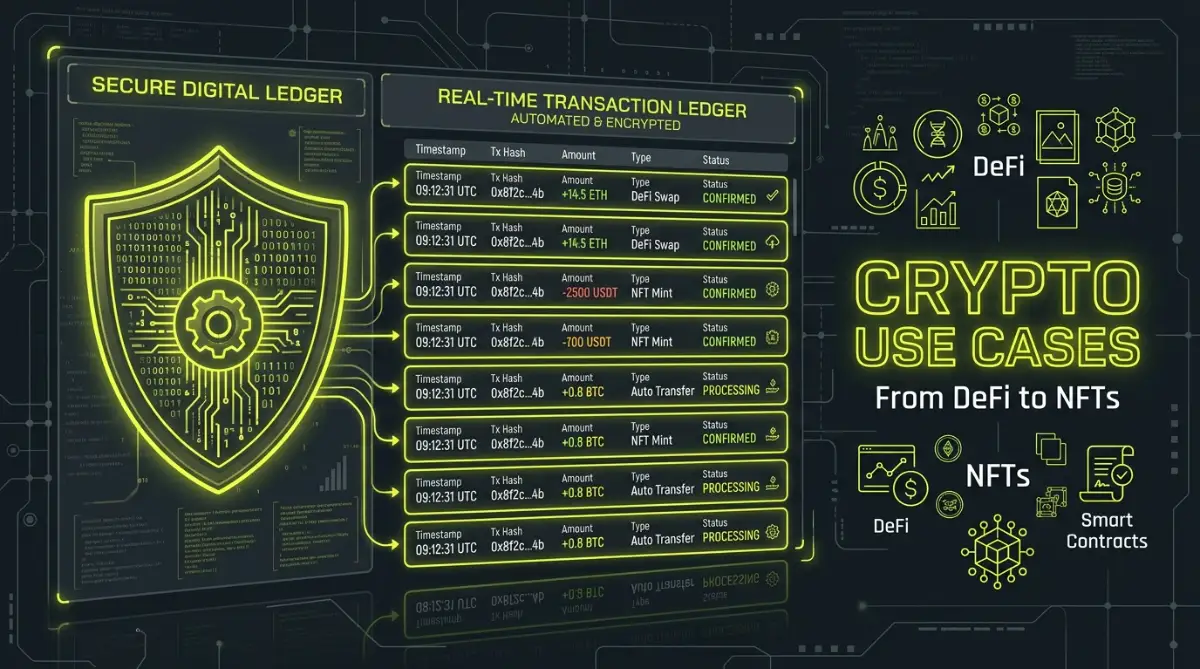
Hidden Trapdoors: Errors That Cost Crypto Investors Millions
Even with the best tools, many people still lose their money due to simple mistakes. The digital space can be unforgiving, and a single wrong click can have serious consequences. Let us discuss the most common mistakes that can lead to massive financial losses.
Letting Emotions Guide Your Financial Decisions
The excitement of quick profits often makes people act without thinking. They see a new project promising massive returns and rush to deposit their funds. This emotional state makes them ignore basic safety checks and red flags.
When you act out of fear of missing out, you are highly likely to walk into a trap. Scammers prey on this excitement by creating flashy websites that hide bad code. Learning how to spot bad crypto advice on your social feed is your first shield against losing funds. You must learn to slow down and analyze every deal with a calm mind.
Leaving Permissions Active Permanently
As we discussed earlier, giving a program permission to spend your tokens is necessary. However, leaving these permissions active forever is a recipe for disaster. If the platform gets compromised months later, hackers can still access your funds.
You should make it a habit to regularly clean up your wallet permissions. There are free tools available that let you revoke active approvals with a few clicks. Keeping your wallet clean is just as important as keeping your private keys safe.
Failing to Double-Check Contract Addresses
Scammers often create fake tokens and platforms that look identical to the real ones. They copy the names, logos, and website layouts to trick unsuspecting users. If you interact with the wrong address, your crypto will go straight to the scammers.
Always verify the official contract address through trusted tracking websites or official community channels. Never copy addresses from random social media posts or search engine ads. This simple check takes only a minute but can save your entire life savings.
Ignoring the Warning Signs of High Slippage
Slippage is the difference between the expected price of a trade and the actual price. When trading in small or illiquid pools, slippage can be incredibly high. This means you might end up getting far fewer tokens than you expected.
Many users do not pay attention to the slippage warning on their screens. They click approve and instantly lose a large portion of their trade value. Always adjust your settings to keep slippage low, and avoid trading during extreme market panic.
Trusting "Too Good to Be True" Yields
If a platform promises to double your money in a few days, it is almost certainly a scam. These high-yield projects often use unsustainable models that collapse very quickly. They use the funds of new investors to pay off older ones until the money runs out.
When the system inevitably breaks down, the smart contract might lock your funds permanently. Do not let greed blind you to the basic rules of economics. Sustainable growth is always better than chasing short-term, risky illusions.
Your Roadmap to Automated Financial Freedom
The rise of automated agreements represents a massive shift in how we handle trust and value. By removing expensive middlemen, this technology opens up amazing financial opportunities for everyone. It gives you the power to be your own bank and trade directly with others.
However, this new freedom comes with a high level of personal responsibility. You are the only one in charge of keeping your digital assets safe. By adopting a careful and systematic approach, you can enjoy all the benefits while keeping risks low.
Start by educating yourself constantly and staying updated on new security practices. Use the tools we discussed, like multiple wallets and regular permission cleanups. With patience and discipline, you can build a highly secure and prosperous digital future.
I hope my personal journey and these tips help you feel more confident in your crypto adventure. I know how scary it can feel when you are just starting to use these new digital tools. But I promise you that taking the time to learn the rules of the game is absolutely worth it. My goal is to see you succeed without making the same painful mistakes that I made. So, make a promise to yourself today to start small and practice safety with every single trade. You have the power to protect your financial future, and the best time to start is right now.
Recommended Reading for Smart Investors
- Build Long-Term Wealth: Index Funds vs Mutual Funds: How to Build Lasting Wealth Simply
- Beginner Investing: What Is Dollar-Cost Averaging and Why Is It Useful for Beginners?
- Stock Basics: How to Start Investing in the Stock Market With Little Money
- Exit Planning: Stop Losing Money: The Real Reason You Need an Investment Exit Plan
- Risk Management: How to Define Your Personal Risk Tolerance Before Investing
- Mindset: How to Overcome Financial Anxiety During Market Crashes
- Macroeconomics: How Interest Rates Affect Your Investments: A Simple Guide
- Automation Habits: How to Set Up Automatic Investments for Consistent Savings
Answers to Your Most Common Questions
1. Can a smart contract transaction ever be canceled or reversed?
No, transactions written to a decentralized blockchain cannot be rolled back. Once the network confirms the block, the code executes permanently. If you send funds to the wrong address or sign an exploit, no customer support desk can return your tokens. Always double-check contract addresses before confirming.
2. What happens if there is a bug in the smart contract code?
When a programmer makes a mistake in the logic, that error stays live on the blockchain. Attackers frequently scan public code to exploit these flaws and drain locked deposits. This risk is why you should stick to platforms with multiple independent security audits and strong track records.
3. Why do I have to pay gas fees for every interaction?
Gas fees pay the independent network computers that process and record your transaction. These fees fluctuate based on network demand and how complex the code instructions are. You can save money by scheduling your interactions during off-peak weekend hours when activity cools down.
4. Are smart contracts recognized as valid legal agreements?
In most jurisdictions, smart contracts are treated as technical agreements rather than binding legal documents. However, states like Arizona and Wyoming in the United States have established legal protections that recognize automated digital agreements. Legal integration continues to expand worldwide as digital assets mature.
5. How can I safely revoke active wallet permissions?
Decentralized applications ask for token spend approvals when you trade. If you leave unlimited approvals open, compromised contracts can drain your remaining tokens later. Use trusted tools like Revoke.cash on a monthly schedule to turn off old permissions and safeguard your funds.
Disclaimer
The information provided in this article is for educational and informational purposes only. It does not constitute financial, investment, legal, or professional advice. Cryptocurrency investments are highly volatile and carry a high risk of financial loss. Always do your own research and consult with a licensed professional before making any financial decisions.